When Grind-and-Seal Floors Make Sense

When Grind-and-Seal Floors Make Sense
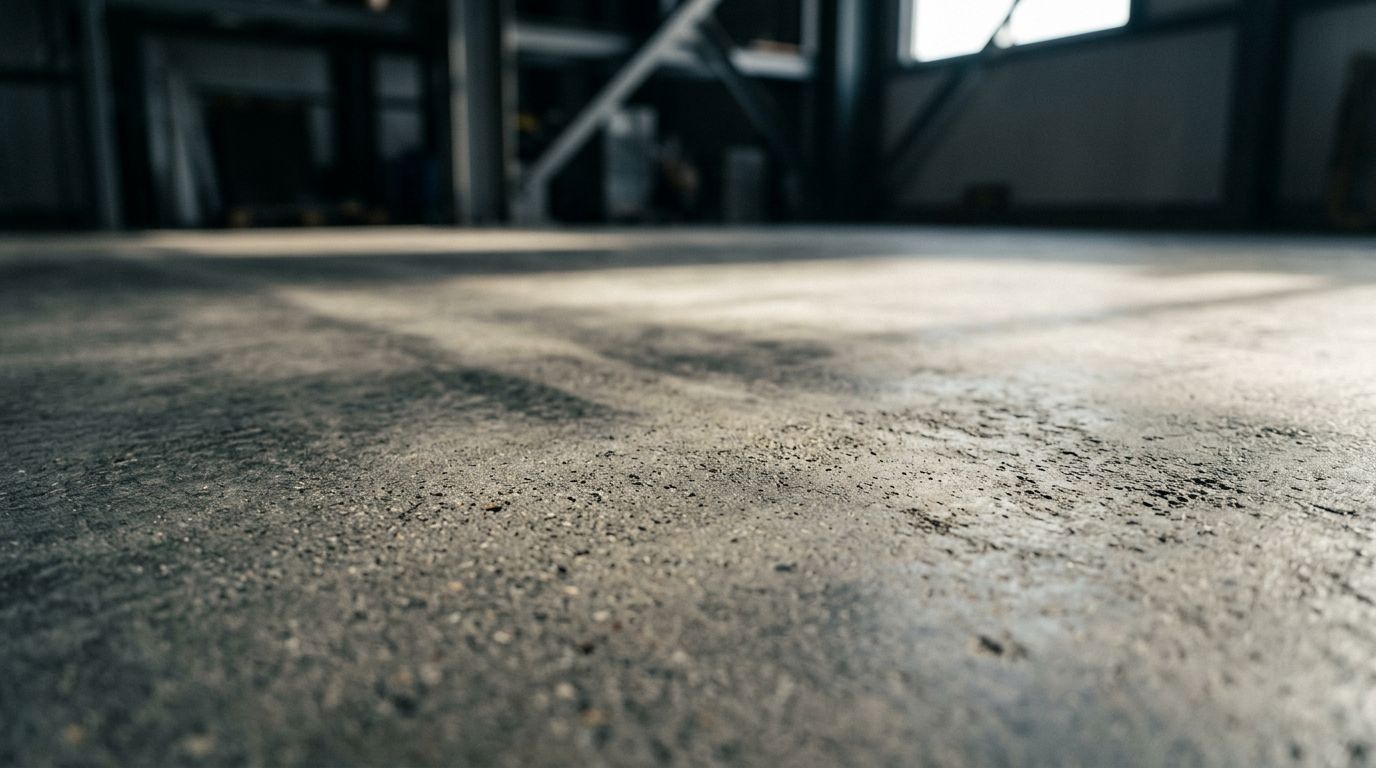
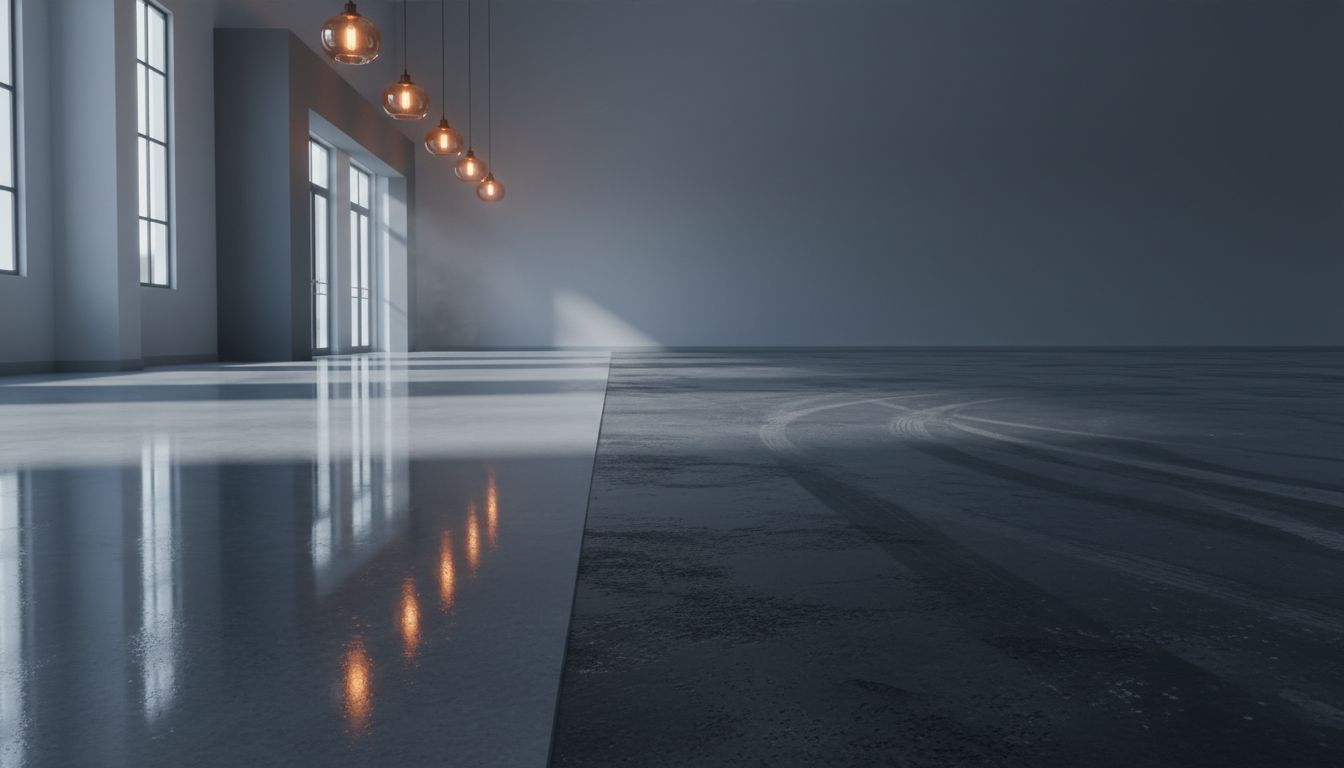
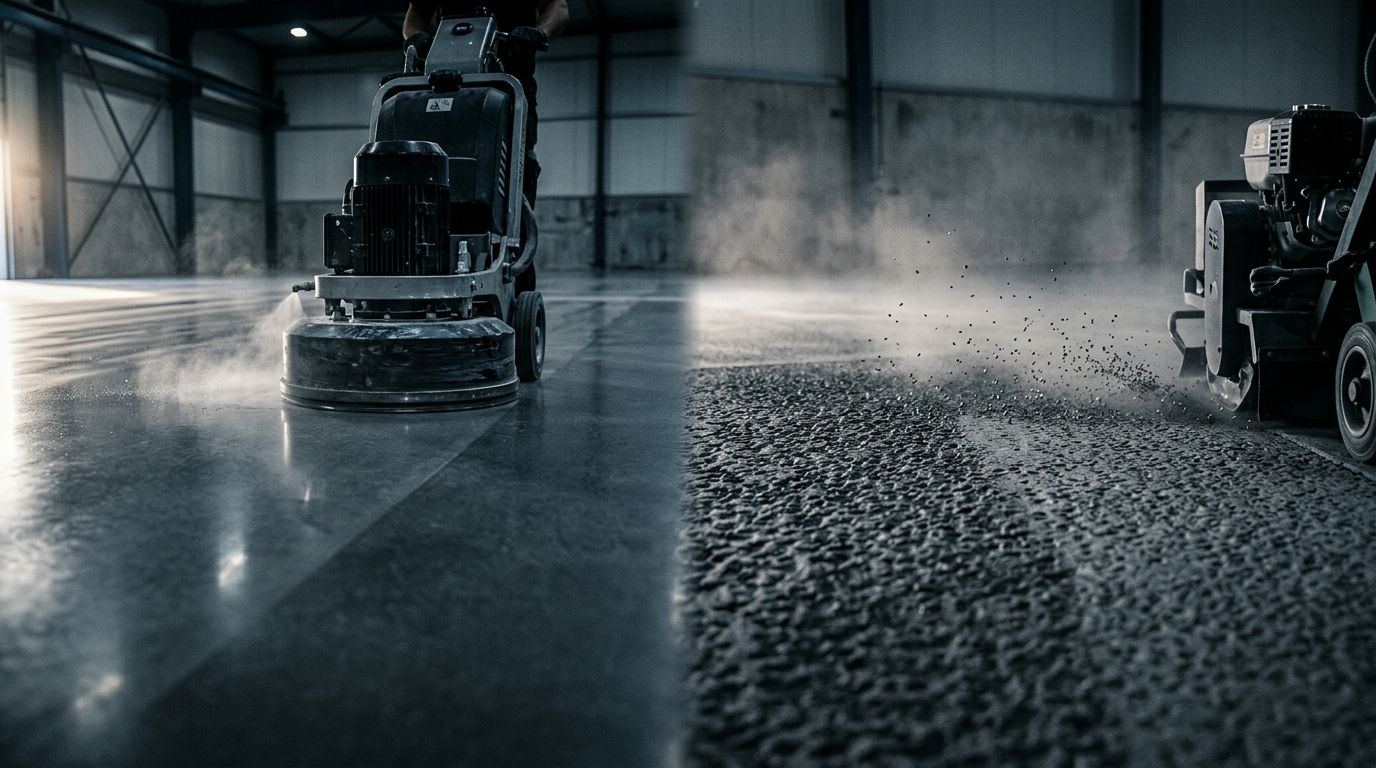
Some floors don’t need a thick coating or a mirror shine. A grind-and-seal floor often fits best when you want concrete to look cleaner, brighter, and more finished without paying for full mechanical polishing. That matters on tenant build-outs, warehouse refreshes, garages, and light commercial spaces where both budget and downtime matter. The right choice … Read more
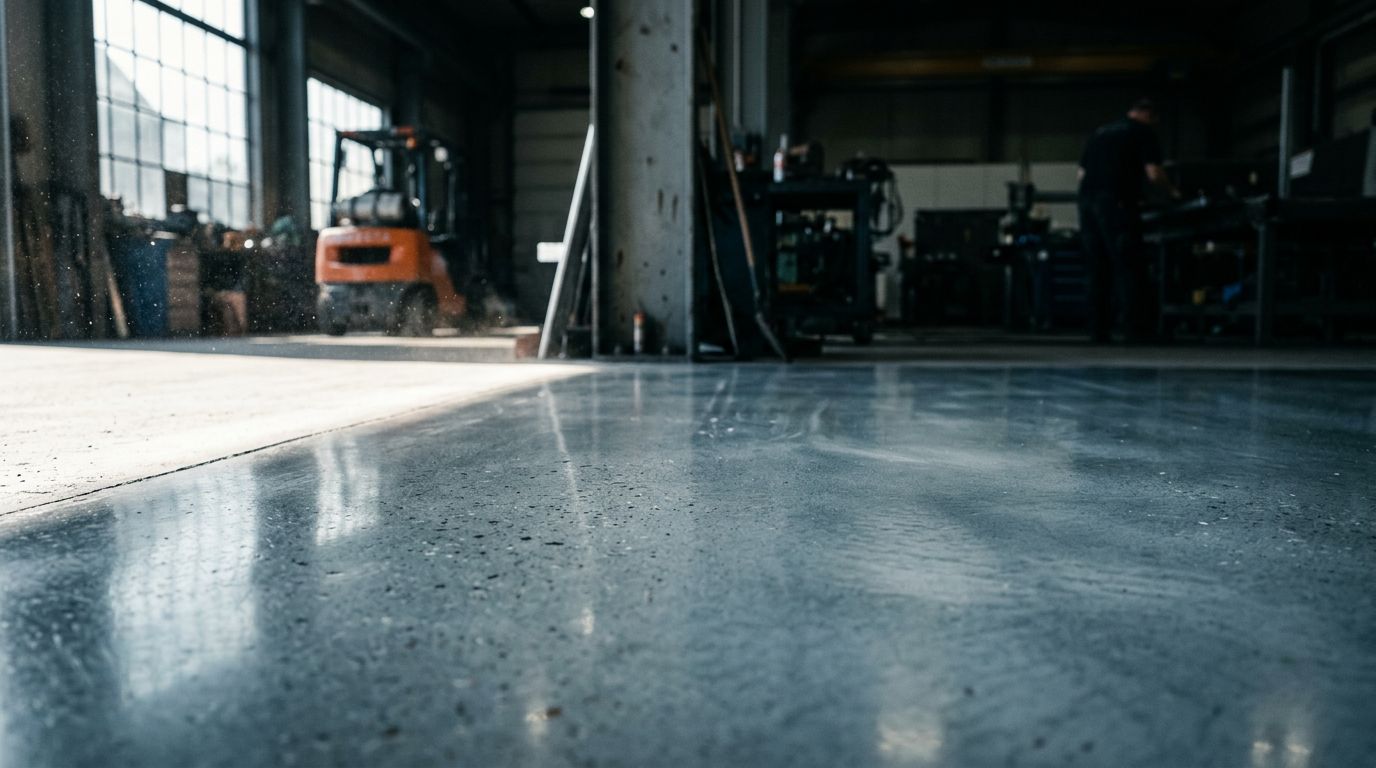
Concrete Burnishing vs Polishing: Which Finish Makes Sense?

Concrete Burnishing vs Polishing: Which Finish Makes Sense?

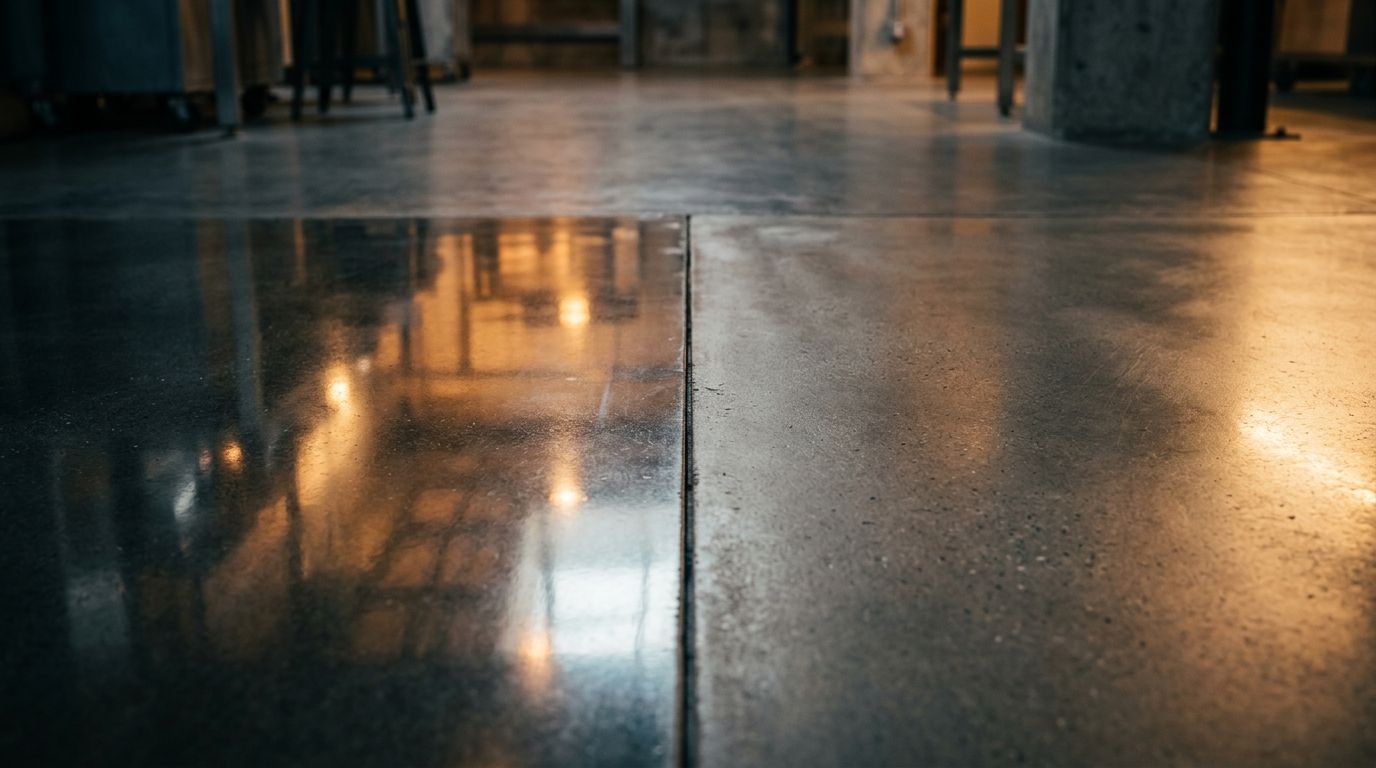
A shiny floor can come from two very different methods. If you’re weighing concrete burnishing vs polishing, the process matters as much as the look. Burnishing can freshen a treated slab. Full polishing reshapes the surface with grinding and densifying. For homeowners, facility managers, and commercial owners, that difference affects cost, downtime, and upkeep for … Read more

How to Repair Pitted Concrete Before Floor Prep

How to Repair Pitted Concrete Before Floor Prep

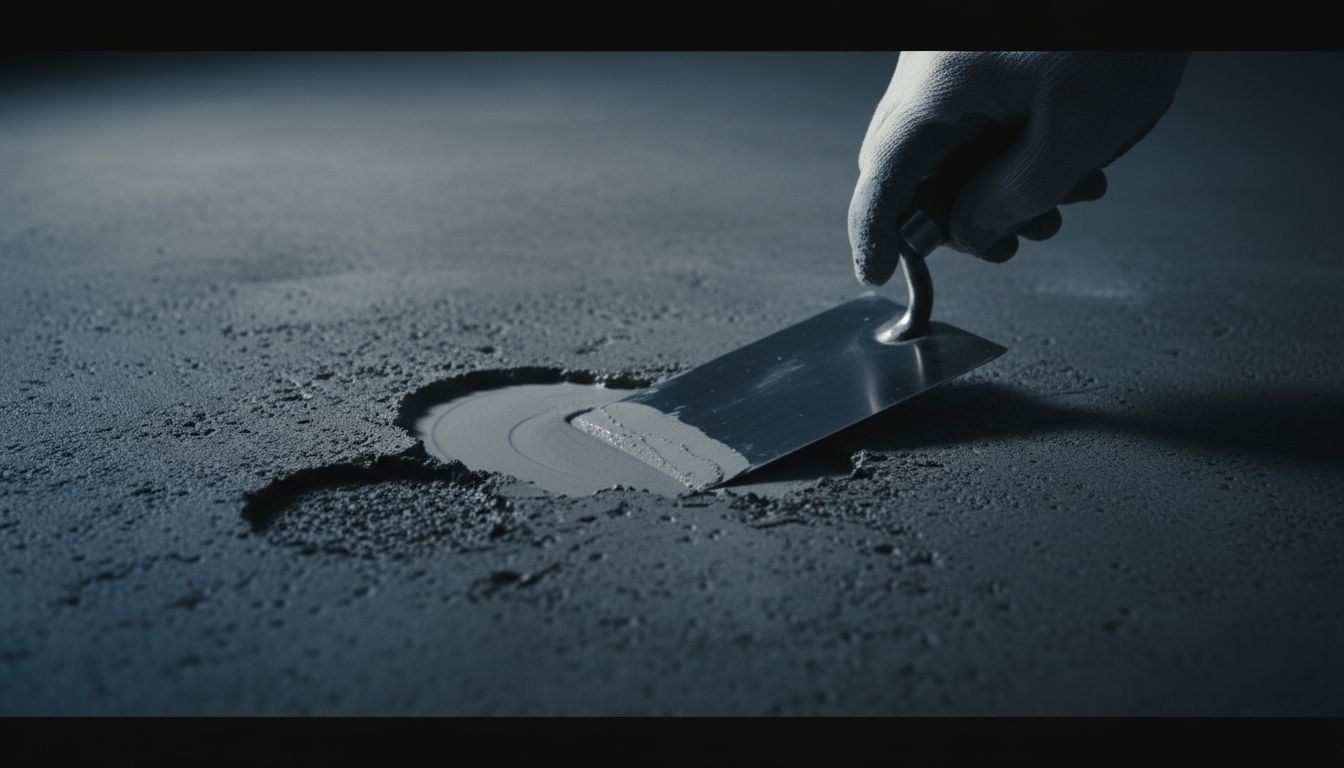
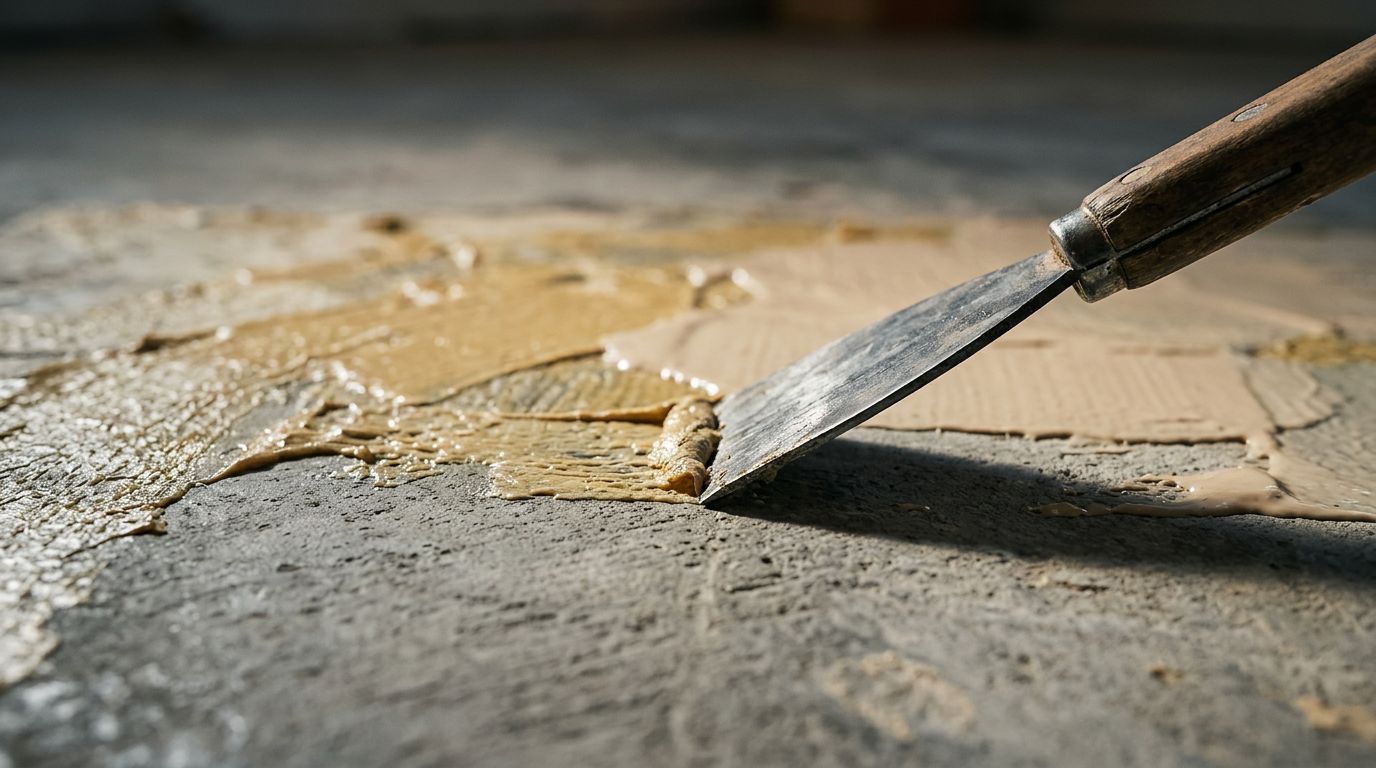
Concrete pitting can make a slab look deceptively harmless until your chosen finish turns every crater into a visible shadow line. If you skip essential pitted concrete repair, your grinding process becomes unnecessarily messy, coatings fail to bond across weak spots, and polished floors highlight every flaw in the surface. Before you begin comprehensive surface … Read more

Coating Over Dusty Concrete: Why It Fails Fast

Coating Over Dusty Concrete: Why It Fails Fast

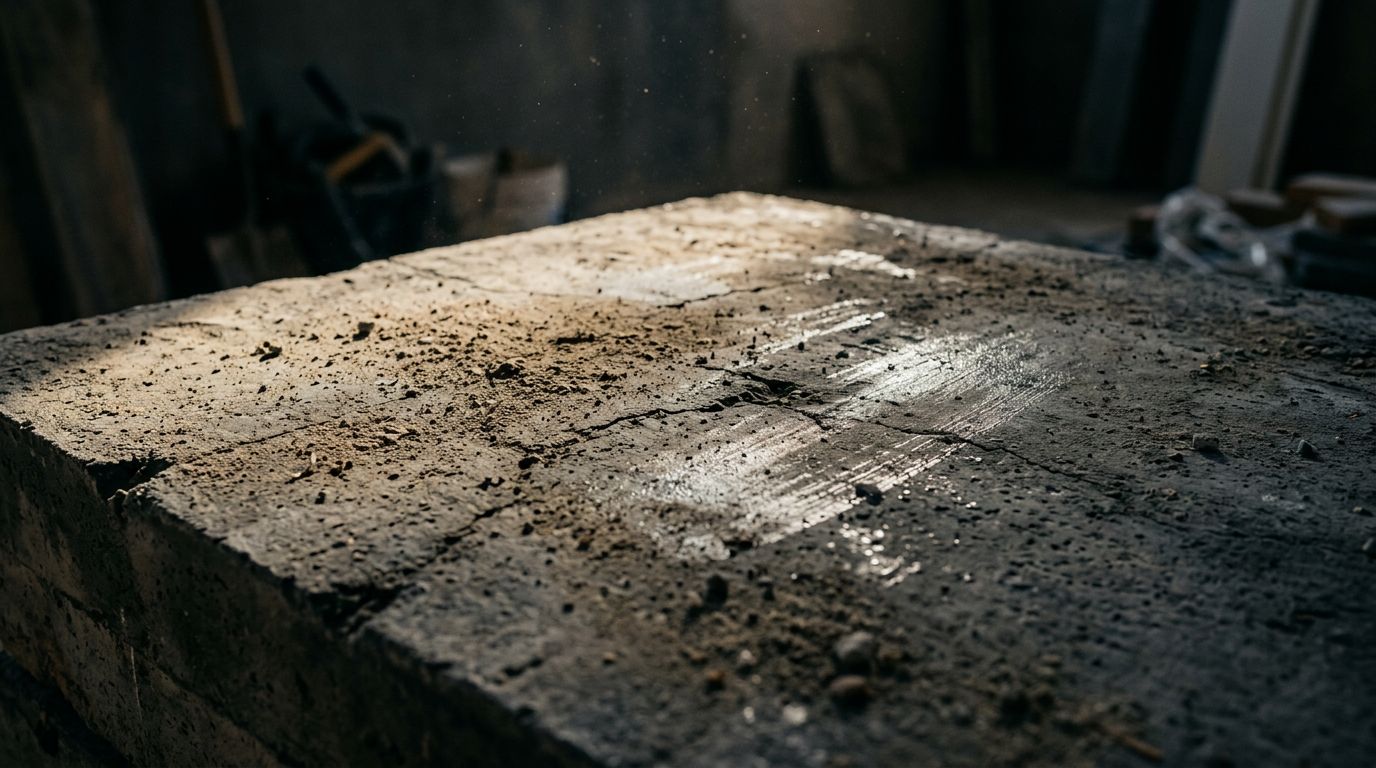
When you coat over dusty concrete, the product usually adheres to the loose dust rather than the actual slab. This process leads to weak adhesion, peeling edges, bubbles, and early wear, whether you use concrete floor paint, an epoxy coating, or a professional sealer. Many floors look perfect on the first day, but they often … Read more

Warehouse Concrete Floors and Retail Slabs That Last

Industrial concrete floors fail where business pressure shows up first, in traffic lanes, at dock doors, and near checkout lines. Concrete floor slabs must be engineered to withstand both static and dynamic loads. If you’re weighing options for warehouse concrete floors or a customer-facing retail slab, the floor has to do more than look clean. … Read more

Indoor Concrete Grinding: What to Expect in Your Home or Building

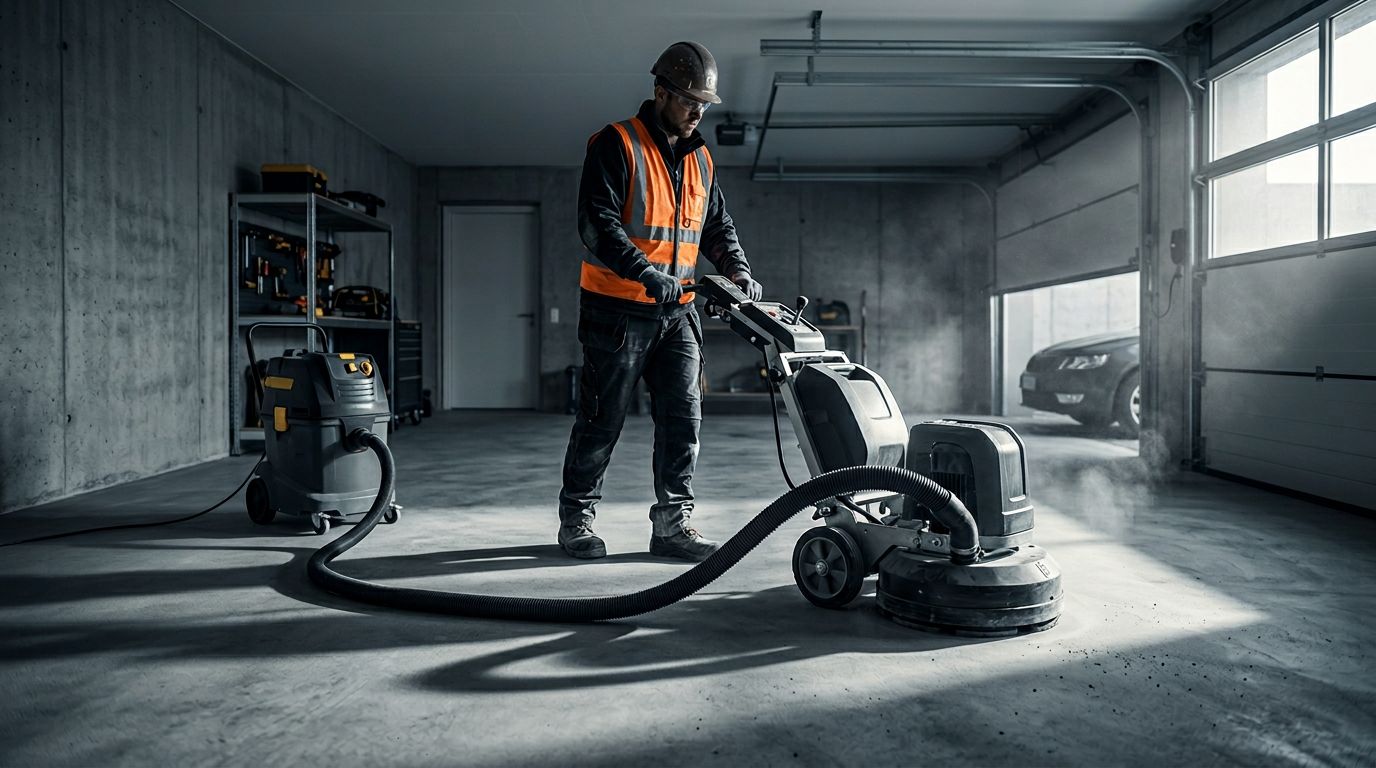
Indoor concrete grinding is noisy, controlled, and more methodical than many people expect. If you’re getting ready for a contractor visit, the biggest surprises usually aren’t the floor itself, they’re the setup, the sound, and the temporary loss of access. The good news is that modern crews don’t walk in and create a dust storm. … Read more

Basement Concrete Floors in Atlanta: What Holds Up and What Fails

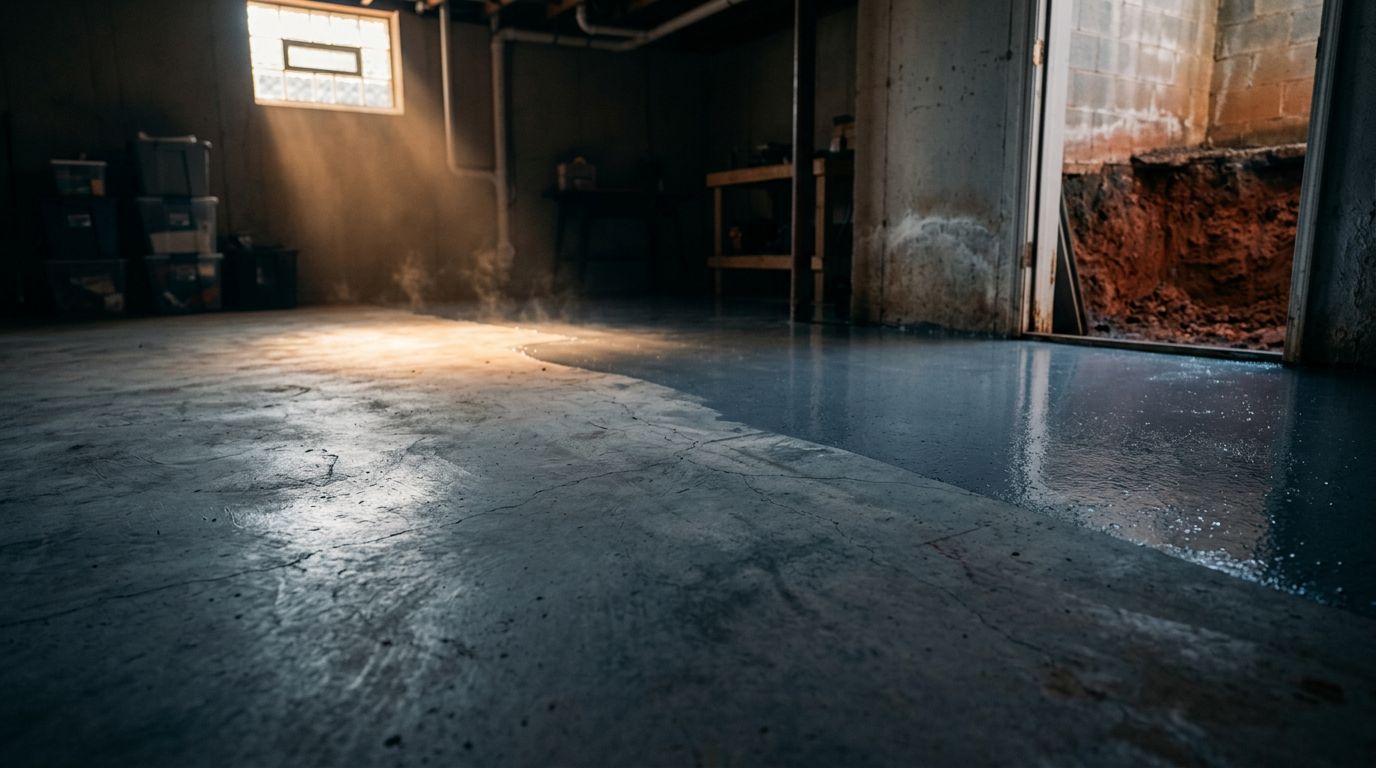
When it comes to basement concrete floors in Atlanta, the biggest threat usually is not wear. It’s moisture. In metro Atlanta, we get humid air, heavy rain, and shifting clay soil. That mix can turn a solid-looking slab into a source of dust, damp spots, peeling paint, and stubborn odors. A floor can look fine … Read more

Concrete Floor Leveling: Self-Leveling Underlayment or Grinding?

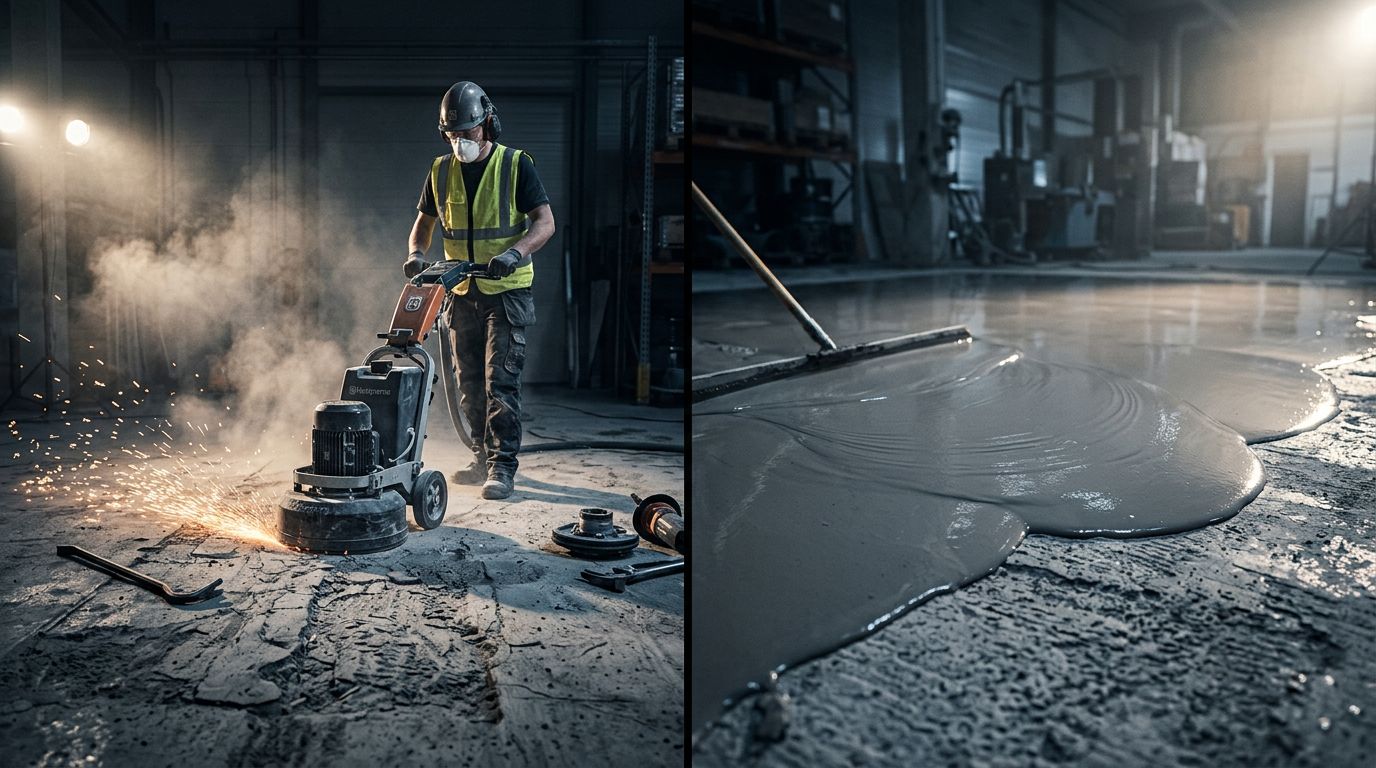
A floor can look fine from the doorway and still fight you at every step. Tile lippage, hollow spots under plank, puddles in a garage, and uneven gloss under coatings usually trace back to one issue: concrete floor leveling. If you’re comparing self-leveling underlayment with grinding, the main choice is simple. One method fills low … Read more

Concrete Coating Failure: 9 Reasons Floors Peel, Bubble, and Wear Out Early

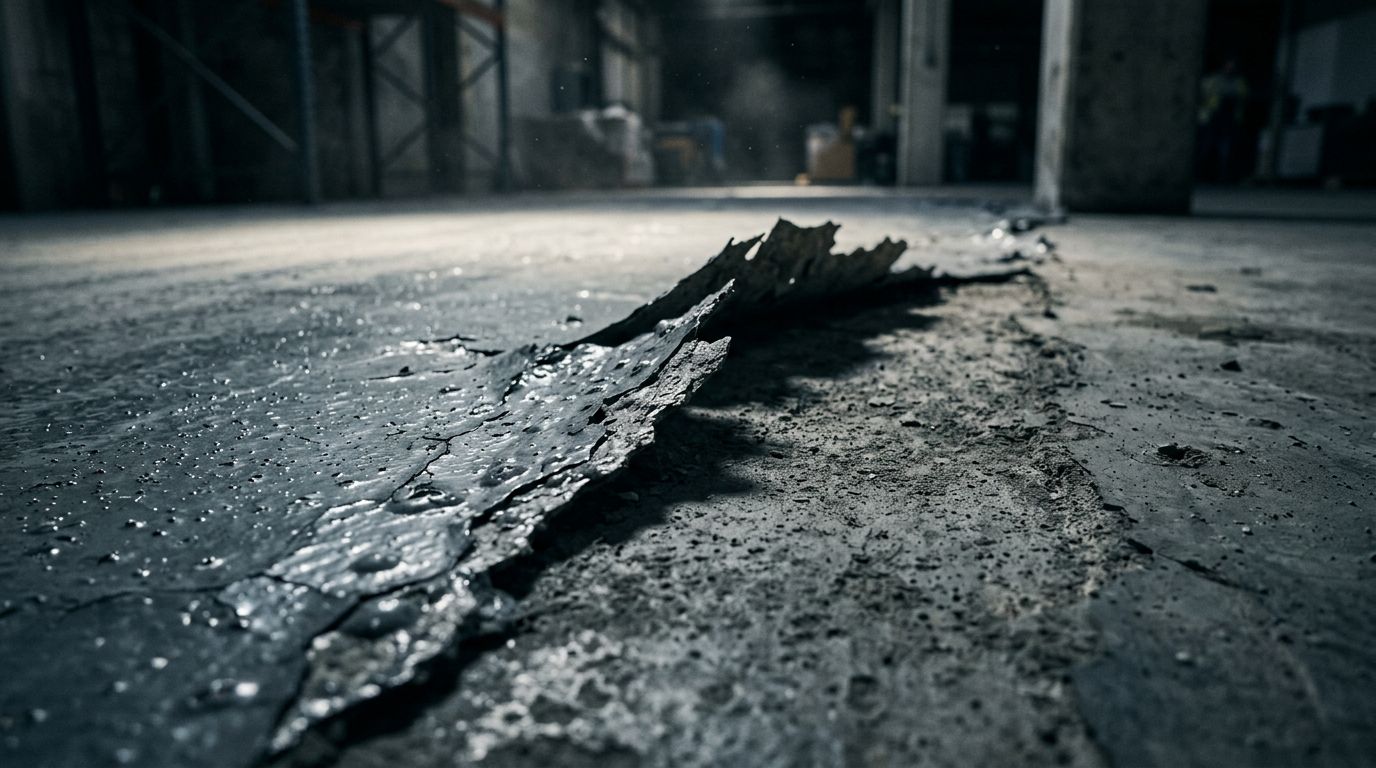
A floor coating can look great on day one and still fail fast. When concrete coating failure shows up, it usually starts below the surface, long before the peeling becomes obvious. That matters if you’re choosing a concrete epoxy coating for a home, shop, basement, or warehouse. The good news is that most failures are … Read more