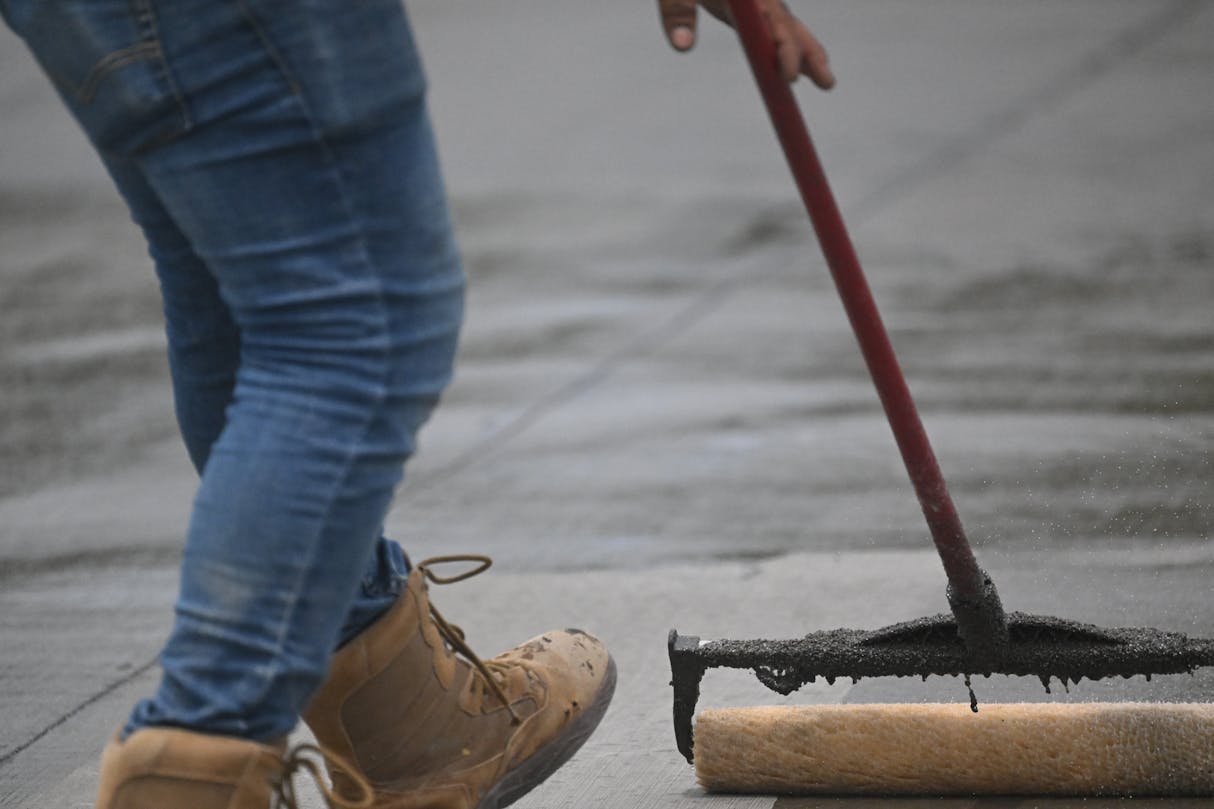
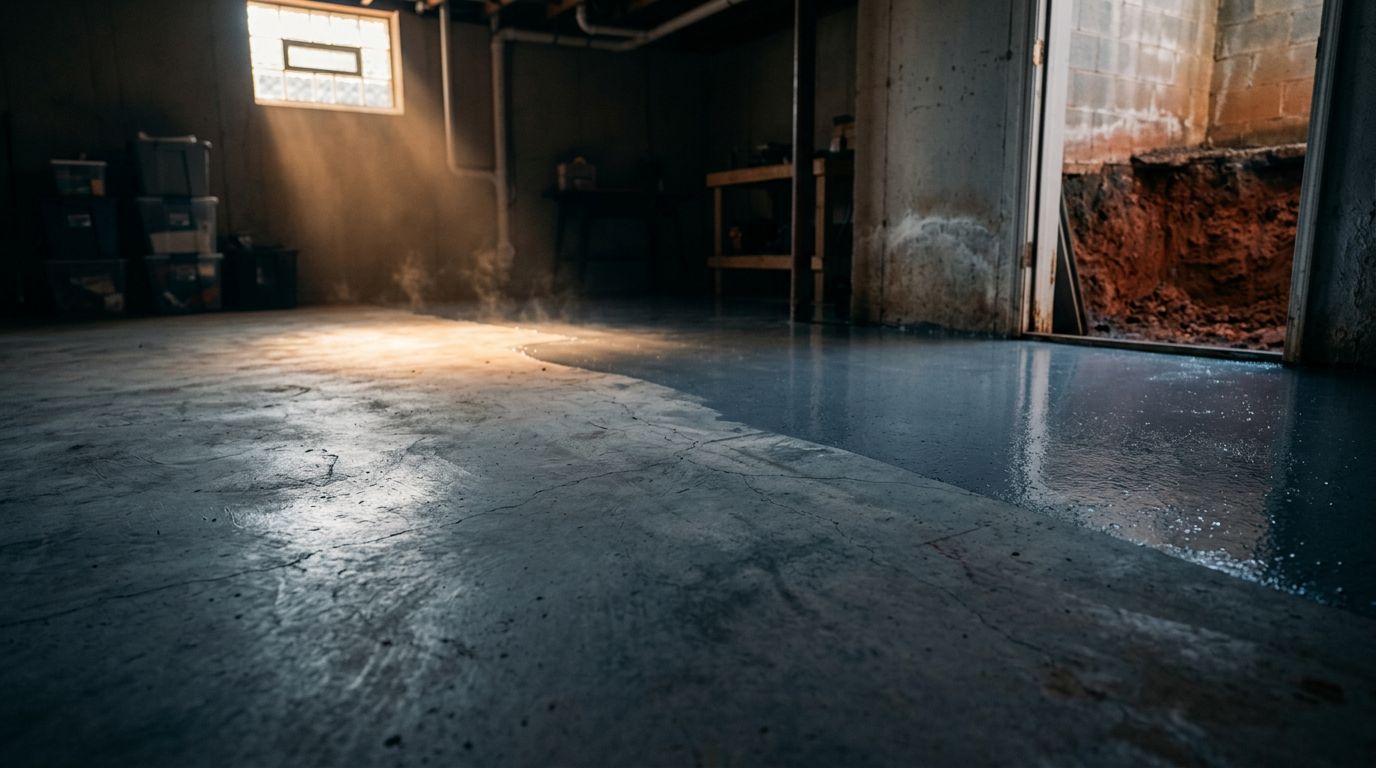
When it comes to basement concrete floors in Atlanta, the biggest threat usually is not wear. It’s moisture.
In metro Atlanta, we get humid air, heavy rain, and shifting clay soil. That mix can turn a solid-looking slab into a source of dust, damp spots, peeling paint, and stubborn odors. A floor can look fine on top while trouble builds underneath.
The smartest place to start for residential basement projects is the concrete itself, then the finish.
Key Takeaways
- Moisture is the main threat to basement concrete floors in Atlanta due to humid air, heavy rain, and shifting clay soil—address it before any finish.
- Start with the slab: Inspect for cracks, dusting, efflorescence, and test for hidden moisture to ensure coatings like epoxy adhere and last.
- Epoxy coatings excel for basements when prepped right, sealing dust and stains for family rooms or workshops, with polyaspartic tops for extra durability.
- Prep decides success: Grinding, repairs, and moisture mitigation are non-negotiable; polished or stained concrete suits sound slabs as durable alternatives.
- Professional help pays off—free estimates reveal if waterproofing or foundation work is needed first for long-term stability.
Why Atlanta Basements Are Hard on Concrete
Atlanta basements deal with long humid seasons, sudden storms, and ground movement. Over time, that movement can stress walls and slabs. Even when you never see a puddle, moisture vapors can still rise through concrete and collect under a finish, demanding strong moisture resistance for any floor covering’s longevity.
Older homes are often the toughest cases. Some have weak exterior drainage, no reliable vapor barrier under the slab, or cracks that open during wet weather. You may notice white powder on the floor, darker patches after storms, musty smells, or paint lifting near the edges. Water can also show up at the wall-to-floor joint, which is a common weak point.
Dusting is another problem. That fine powder makes the room harder to clean and weakens coating bond. Hairline cracks are common, but active cracks, soft spots, or repeated damp areas mean more than a cosmetic issue.
A coating can hide minor wear. It can’t stop water pushing up through the slab.
Condensation can fool homeowners too. Cool concrete meets warm, damp air, and the surface feels wet even when no leak is present. That is why waterproofing work and floor finishing often go together. Active cracks might require foundation repair or professional basement waterproofing to ensure the slab is stable before any cosmetic work is applied. If outside water pressure stays active, no basement concrete coating will last the way it should.
Which Epoxy Basement Floor Finish Makes Sense
The best floor finish depends on slab condition and how you use the room. A storage basement needs something different from a guest suite, workout space, or workshop. For many homes, a concrete epoxy coating for basements gives the best mix of easy to clean surfaces, stain resistance, and day-to-day durability.
A concrete epoxy coating seals the surface and helps cut concrete dust. An epoxy coating for concrete works best when the slab is sound, dry enough for the product, and mechanically ground before installation. Popular choices for decorative concrete include flake epoxy and metallic epoxy. If you want more scratch resistance, a polyaspartic coating can be used as the top layer.
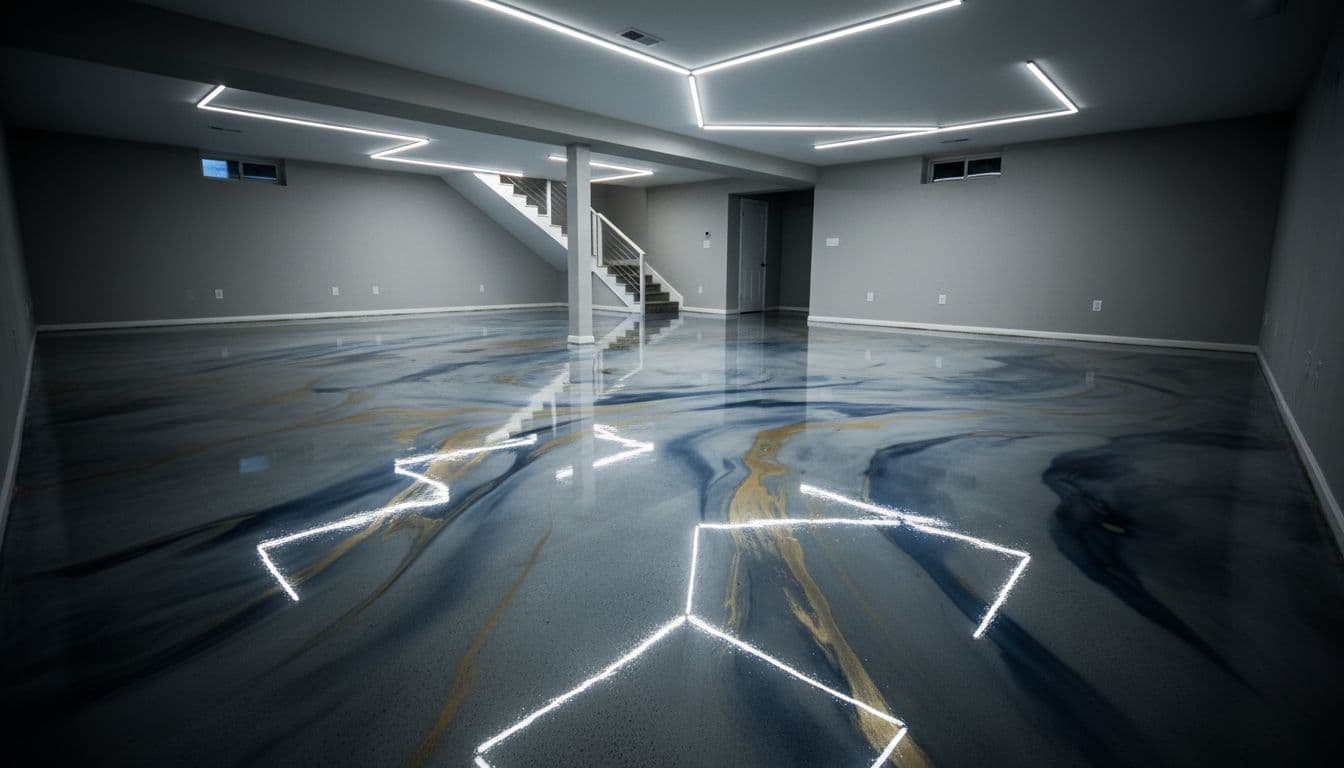
This quick comparison helps narrow the choice:
| Finish | Best fit | Slip Resistance | Watch for |
|---|---|---|---|
| Epoxy system | Family rooms, storage, hobby spaces | Good | Needs dry, well-prepped concrete |
| Epoxy plus polyaspartic topcoat | Higher traffic, better scratch resistance | Excellent | Won’t fix active moisture |
| Polished concrete | Sound slabs with a clean, modern look | Medium | Feels hard and cool |
| Stained concrete | Decorative color with natural character | Low | More cosmetic than protective |
The short version is simple. Pick the system that fits the slab, not the sales pitch.
Some homeowners ask if the same concrete floor coatings sold as an epoxy coating for garage floor works downstairs. Sometimes it does, but basements usually have more hidden humidity and less airflow. A system that performs well in a garage can fail below grade when testing is skipped.
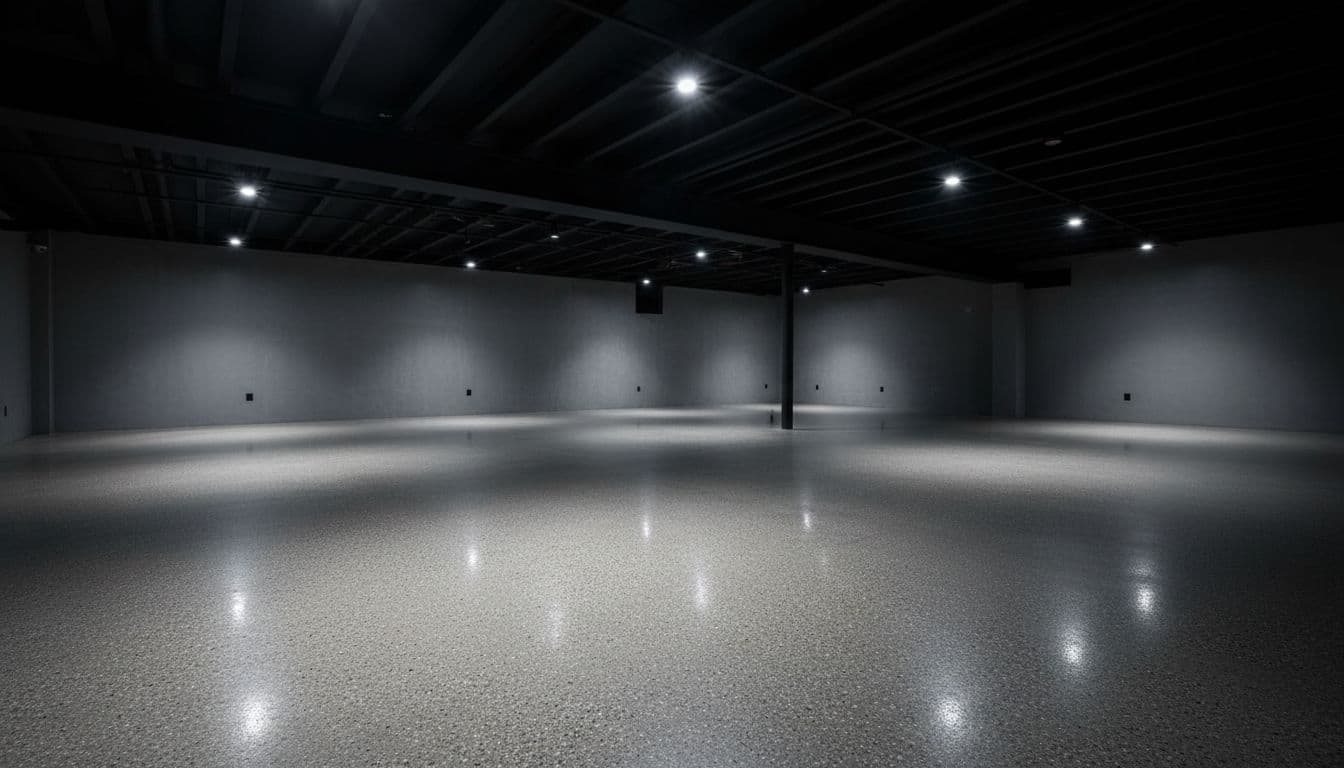
Polished concrete is another strong option when the slab is dense and in good shape. It uses the slab itself as the finished floor, so there is no thick film to peel. That’s why many homeowners look into Atlanta concrete polishing services for basements with low moisture risk. Concrete staining can also look great, especially when you want a natural, less uniform finish, but it does not provide the same barrier as epoxy. These services are available throughout Alpharetta GA and Marietta Georgia.
What Good Prep Looks Like Before a Coating Goes Down
Surface preparation decides whether a basement floor lasts. A contractor should inspect cracks, weak concrete, old glue, and signs of past water entry. Then they should handle concrete repair, concrete grinding, and concrete leveling as specific steps. Rolling over dust or old residue is a recipe for peeling.
Moisture testing matters more in Atlanta basements than many people expect. A floor can look dry after a few sunny days and still hold high internal moisture. That is why moisture checks before basement floor coatings should be part of the written scope. If readings are high, the job may need waterproofing, drainage correction, or moisture mitigation first; in some cases, a grind and seal method works as an alternative.
Realistic expectations matter too. A new coating can brighten the room, reduce dust, and make cleanup easier. It will not flatten a badly uneven slab, stop water coming through a wall joint, or erase every repaired crack. Good installers should say that up front.
This is also the time to ask direct questions. Professional contractors offering floor coating systems should explain how basement work differs from garage work. If a proposal uses vague phrases like concrete dealing, ask for plain language, product names, and moisture limits. The heavier systems used in commercial flooring can make sense in a utility room or home workshop, but they are often more build than a basement family room needs.
Professional evaluation is the right move when you see efflorescence, bubbling, repeated damp spots, or widening cracks. Reputable companies offer a free estimate and often provide a lifetime warranty on their work.
Frequently Asked Questions
Why are Atlanta basements tough on concrete floors?
Atlanta’s long humid seasons, sudden storms, and expansive clay soil create moisture vapor that rises through slabs, causing dust, cracks, efflorescence, and finish failure even without visible puddles. Older homes often lack vapor barriers or good drainage, worsening issues at wall joints.
What’s the best finish for a basement concrete floor?
A concrete epoxy coating fits most uses like storage or family rooms, offering dust control, stain resistance, and easy cleaning when the slab is dry and ground. Add a polyaspartic topcoat for high traffic; polished concrete works for sound slabs wanting a modern look without films.
How important is prep before a basement floor coating?
Prep is everything—contractors must inspect cracks, test moisture levels, grind the surface, and repair issues to prevent peeling. Skipping moisture checks or rolling over residue leads to failure, especially in humid Atlanta basements.
Can garage epoxy coatings work in basements?
Garage epoxies sometimes work but often fail below grade due to higher humidity and less airflow. Basements need systems tested for moisture and proper prep, not just the sales pitch.
When should I call a pro for my basement floor?
Call for efflorescence, active cracks, repeated damp spots, or odors—signs of deeper issues needing waterproofing or repairs first. Reputable Atlanta contractors offer free estimates, explain differences from garage work, and back installs with warranties.
Conclusion
A basement floor has to do more than look good on install day. In Atlanta, it has to handle humidity, hidden slab moisture, and real daily use.
The right answer starts with the slab, not the color chart. For any residential basement in the local area, the goal is long-term stability and aesthetics. When prep is solid and water issues are handled first, a quality concrete coating or concrete sealing ensures basement concrete floors stay clean, durable, and worth the investment.