Some floors don’t need a thick coating or a mirror shine. A grind-and-seal floor often fits best when you want concrete to look cleaner, brighter, and more finished without paying for full mechanical polishing.
That matters on tenant build-outs, warehouse refreshes, garages, and light commercial spaces where both budget and downtime matter. The right choice depends on traffic, moisture, slip needs, and how much upkeep you’re willing to accept.
Before you choose, it helps to know what this system is, and what it is not.
What a grind-and-seal floor actually is
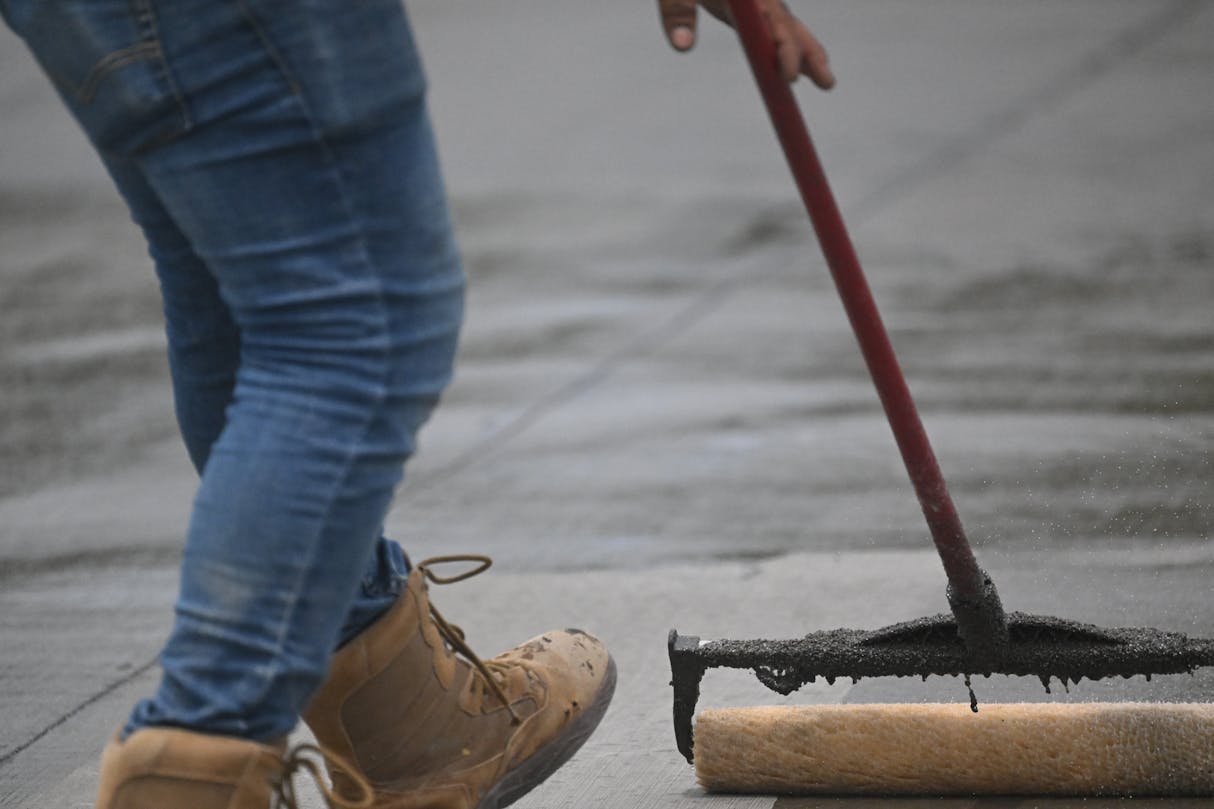
A grind-and-seal floor starts with mechanical grinding. The installer removes surface dirt, weak paste, light coatings, and minor blemishes, then applies a sealer over the concrete. That sealer can be matte, satin, or semi-gloss, depending on the look you want.
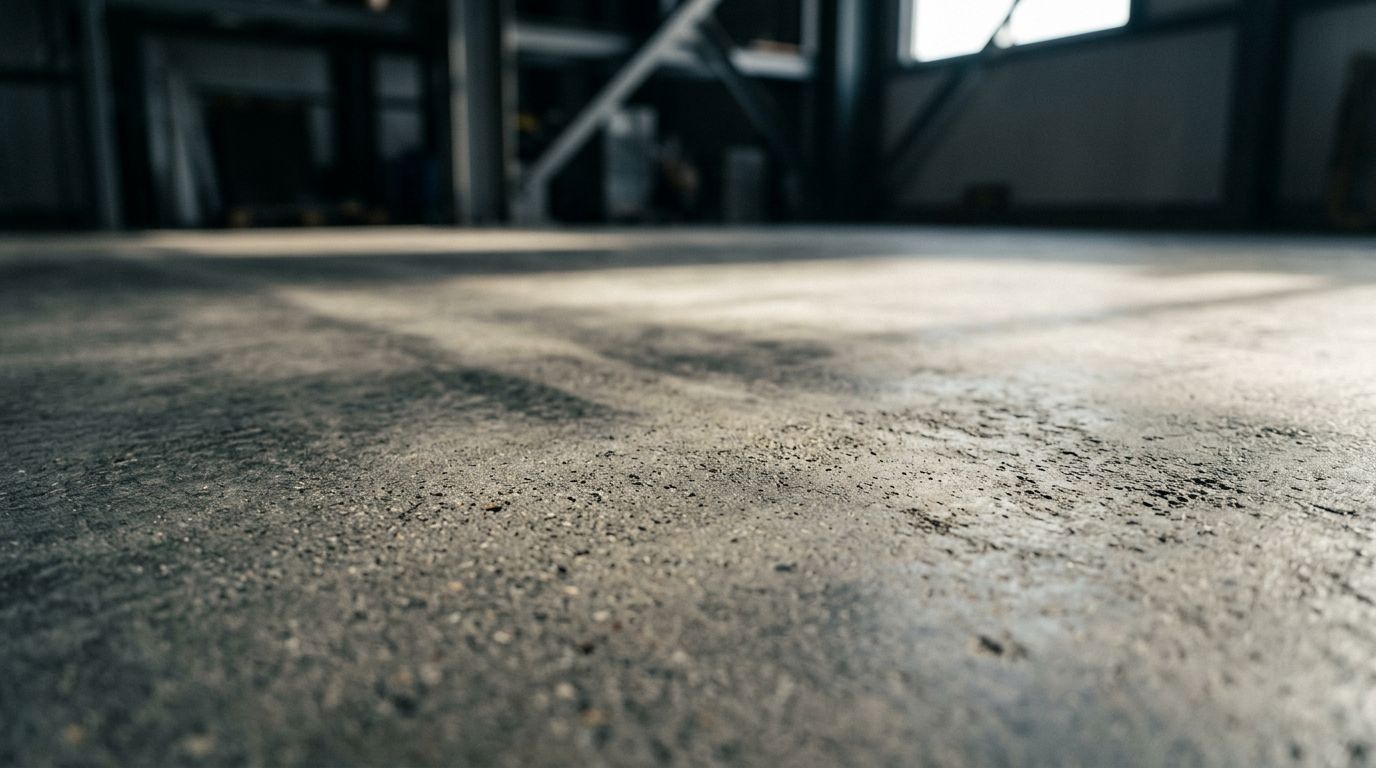
The result still looks like concrete. You may see natural color shifts, patch marks, or small aggregate near the surface. That’s part of the appeal for many owners. The floor looks cleaner and more intentional, but it doesn’t hide the slab the way a thick coating does.
This is also different from concrete polishing. Polishing takes the slab through more grinding steps, uses a densifier to harden the surface, and builds sheen through refinement, not just through a topical sealer. A grind-and-seal finish usually costs less and moves faster, but it won’t match the long-term wear of a true polished floor.
A grind-and-seal floor is a sealed concrete surface, not a full polished system and not a heavy-build coating.
It also differs from a concrete epoxy coating or another epoxy coating for concrete. Those systems build more film on top of the slab. They can hide more cosmetic flaws, add color flakes, and provide stronger resistance to chemicals and hot tires. By contrast, grind and seal keeps the concrete visible and gives you a more natural finish.
Color is possible, too. Concrete staining can add earthy tones or richer contrast before the sealer goes down. Still, the slab’s condition matters. Old repairs, cracks, and patchwork may stay visible after staining, so expectations need to match the floor you already have.
In everyday concrete dealing, this is where many projects go off track. People use one label for several different systems, then expect one floor to perform like another. A grind-and-seal floor can look great, but only when it’s chosen for the right reasons.
Where this finish makes the most sense
Grind and seal works well when the slab is already in decent shape and the goal is improvement, not a total disguise. For owners and builders, that often means a cleaner look, lower upfront cost, and less downtime than full polishing.
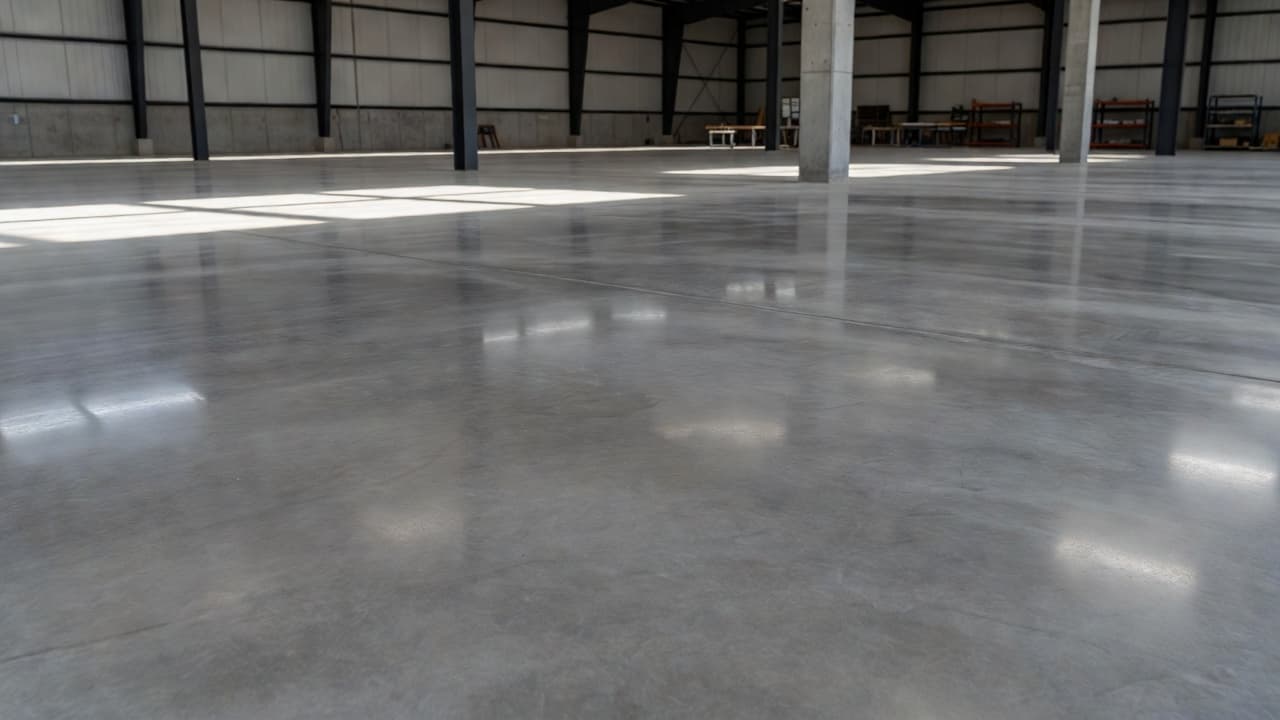
It fits especially well in projects like these:
- A retail or office refresh where the old slab looks tired, but the budget won’t support a full polish.
- A light-use warehouse or workshop that needs a neater, easier-to-clean floor on a short schedule.
- A residential garage where the owner likes the raw concrete look more than a decorative flake system.
- A tenant space where the floor needs to improve fast before move-in.
Builders often like this option because schedules stay tighter. Facility managers like it because the floor looks upgraded without major build thickness. Property owners like it because the space feels finished, not patched together.
It can also be a smart garage choice, but only in the right setting. Some people start by calling a garage floor epoxy coating company because they assume every concrete floor needs a film-build coating. In truth, a grind-and-seal garage floor can work when appearance matters most and chemical exposure is light. If the garage sees heavy vehicle use, oil drips, road salts, or hot tire stress, an epoxy coating for garage floor use usually makes more sense.
Budget is another reason this system gets attention. If you want an attractive concrete surface without the cost of full mechanical polishing, grind and seal often lands in the middle. It gives more visual lift than a bare slab, yet it usually costs less than a high-end polished finish.
How grind and seal compares with polished concrete and coatings
Most owners aren’t choosing in a vacuum. They’re comparing grind and seal against polishing, epoxy, and sometimes a fast-curing polyaspartic coating.
If you’re weighing those options side by side, this guide to epoxy coatings versus polished concrete helps frame the bigger tradeoffs.
A quick comparison makes the differences easier to spot:
| System | Cost and speed | Look | Wear and upkeep | Best fit |
|---|---|---|---|---|
| Grind and seal | Usually lower cost, faster install | Natural concrete, low to medium sheen | Sealer wears over time, needs recoat | Refreshes, light commercial, budget-driven upgrades |
| Concrete polishing | Higher cost, more grinding steps | Clearer reflection, refined finish | Strong wear profile, low daily upkeep | Retail, offices, showrooms, long-term appearance |
| Epoxy or polyaspartic | Mid to higher cost, depends on system | Film-build finish, solid color or flakes | Strong stain and chemical resistance | Garages, shops, heavy-use areas, some industrial spaces |
The table shows why this choice depends on how the floor will live, not only how it will look. Grind and seal wins when speed, appearance, and cost sit at the top of the list. Full polishing wins when you want more clarity, more refinement, and a surface that doesn’t rely on a topical sealer for its shine. If that’s the goal, professional concrete polishing services are the better match.
Coatings sit in a different lane. A standard concrete epoxy coating creates a protective layer on top of the slab. A polyaspartic coating can cure faster and return the space to service sooner. In garages, service bays, and some plant areas, that extra film build matters. The same goes for a commercial concrete epoxy coating in spaces with frequent spills, rubber tires, or harsher cleaning routines.
So where does grind and seal land? It sits between bare concrete and more intensive systems. It improves the slab you already have, but it doesn’t turn that slab into something it’s not.
Where grind and seal falls short
A grind-and-seal floor has limits, and those limits matter most in hard-working spaces. High traffic, abrasive grit, pallet jacks, forklifts, and constant scrubbing can wear the sealer faster than many owners expect. In wet production areas or places with frequent chemical exposure, a film-build system is usually the safer call.
Moisture is another factor. A basement concrete coating always needs a moisture check first, and the same caution applies here. If vapor is moving through the slab, some sealers can blush, cloud, or lose bond. That doesn’t mean basements can never use grind and seal, but it does mean the slab has to pass the basics before anyone talks about sheen.
Slip resistance also needs an honest look. A shinier sealer can get slick when water, dust, or tracked-in grime sits on the floor. Lower-gloss sealers and grit additives can help, but there is usually a tradeoff between a slick-looking finish and a grippier one. If the space gets wet often, traction may matter more than shine.
Then there is maintenance. This is the part some buyers miss. The sealer is a wear layer, and wear layers don’t last forever. Traffic patterns dull first, entry points take abuse, and a recoat may be needed every few years, sometimes sooner in busy areas.
Prep still matters on recoats, too. A fresh coat over a poorly cleaned surface won’t fix the problem. If you want a better feel for choosing the right concrete surface preparation, it helps to understand how grinding and other prep methods affect bond and finish.
That doesn’t make grind and seal a weak option. It makes it a selective one. When the slab is decent, moisture is under control, and the traffic is moderate, it can look sharp for a sensible price. When the floor takes real abuse, thicker systems usually earn their keep.
Final thoughts
A grind-and-seal floor makes sense when you want better-looking concrete without the cost and time of full polishing. It works best on solid slabs, moderate traffic, and projects where appearance matters but heavy-duty coating performance does not.
The biggest mistake is expecting one finish to do every job. If the floor faces moisture, harsh wear, or chemical abuse, polishing or a coating system may be the smarter route.
The best floor is the one that matches how the space is used on its busiest day, not how it looks right after install.