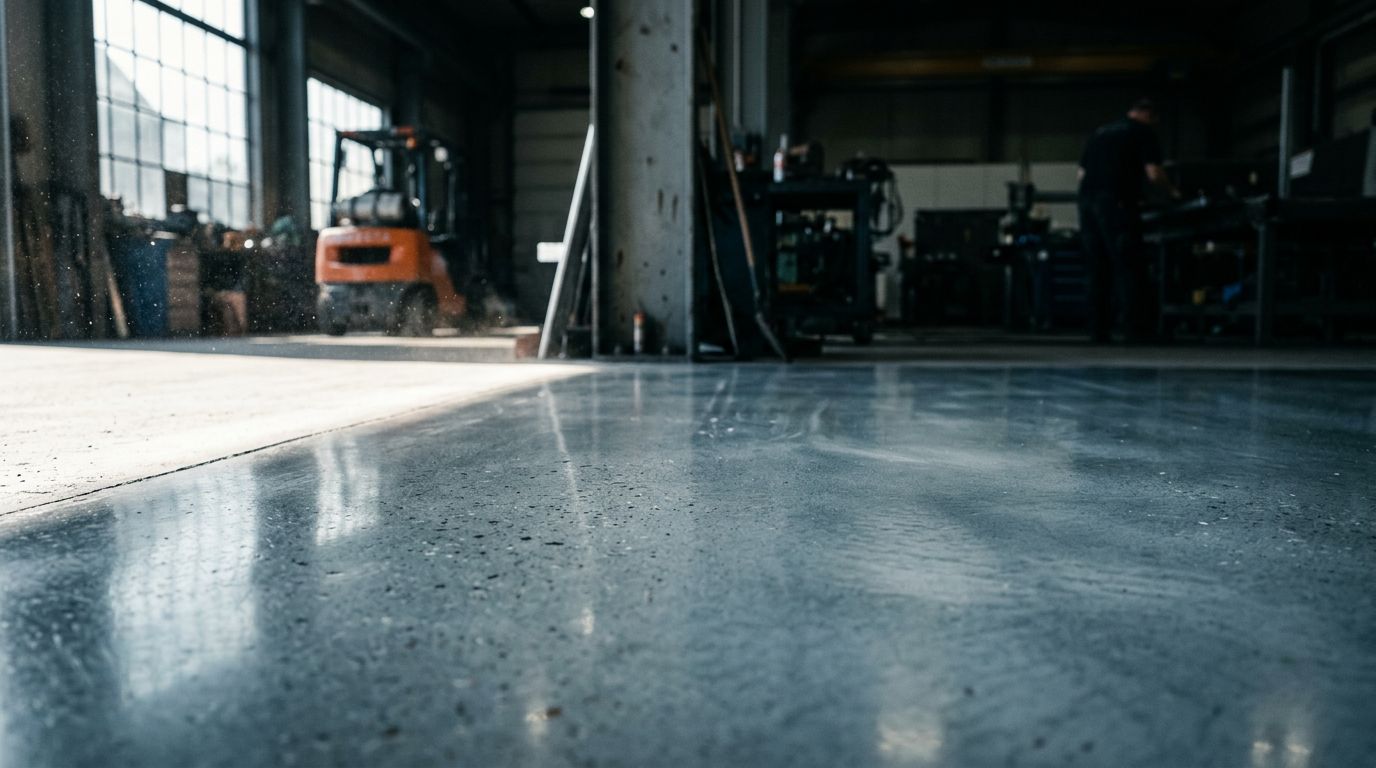
A concrete floor can look tough and still disappoint you fast. Dust, stains, tire marks, and surface wear show up sooner than many owners expect.
That is why grind and seal concrete gets so much attention. It sits in the middle ground between bare concrete and a full coating system, so you get a cleaner look and better surface protection without paying for a high-build finish.
Still, it is not the right fit for every room or every budget. The details matter, because sheen, traction, maintenance, and recoat timing all affect how happy you are a year later.
What a grind-and-seal concrete floor actually is
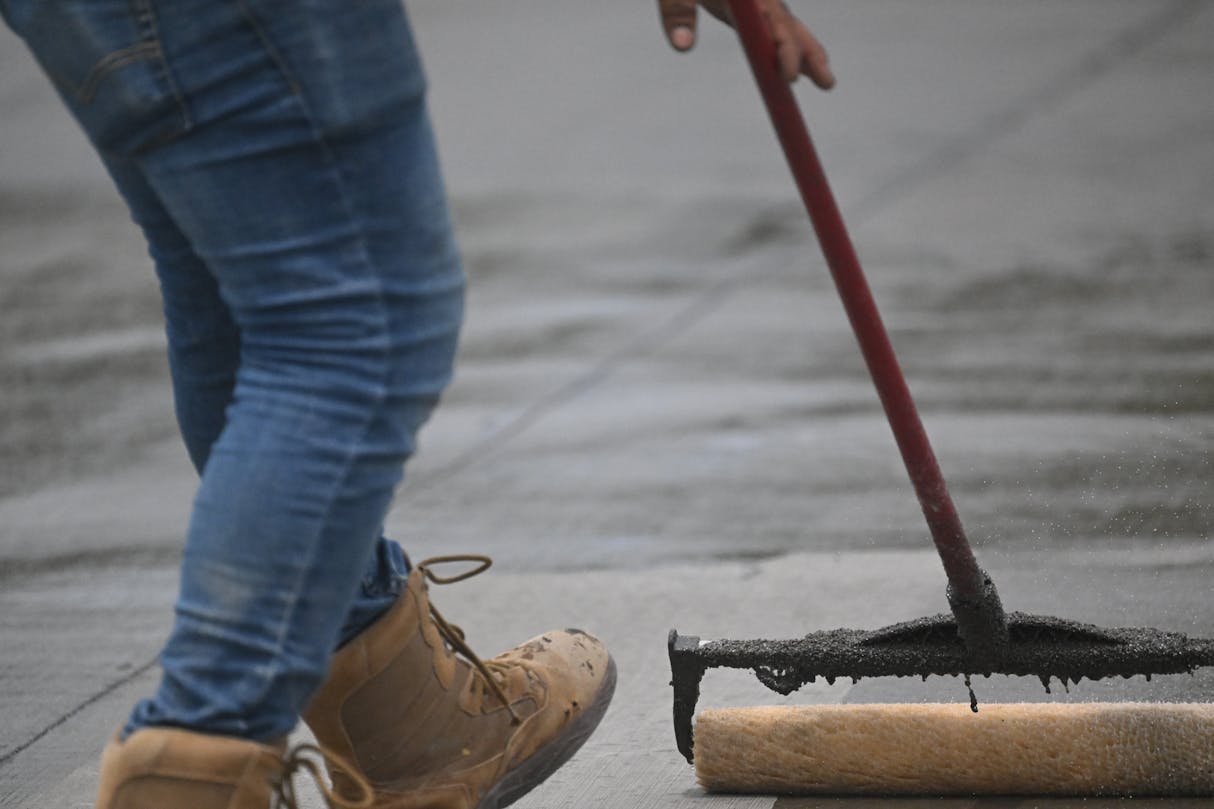
A grind-and-seal floor starts with mechanical prep. Contractors use diamond grinders to remove weak surface material, flatten high spots, and open the pores of the slab. Then they vacuum the dust, make repairs as needed, and apply a protective sealer.
That sealer is the part many people miss. Grinding changes the surface profile, but the sealer is what adds stain resistance, lowers dusting, and gives the floor its final sheen. Depending on the product, the look can range from low-sheen to semi-gloss.
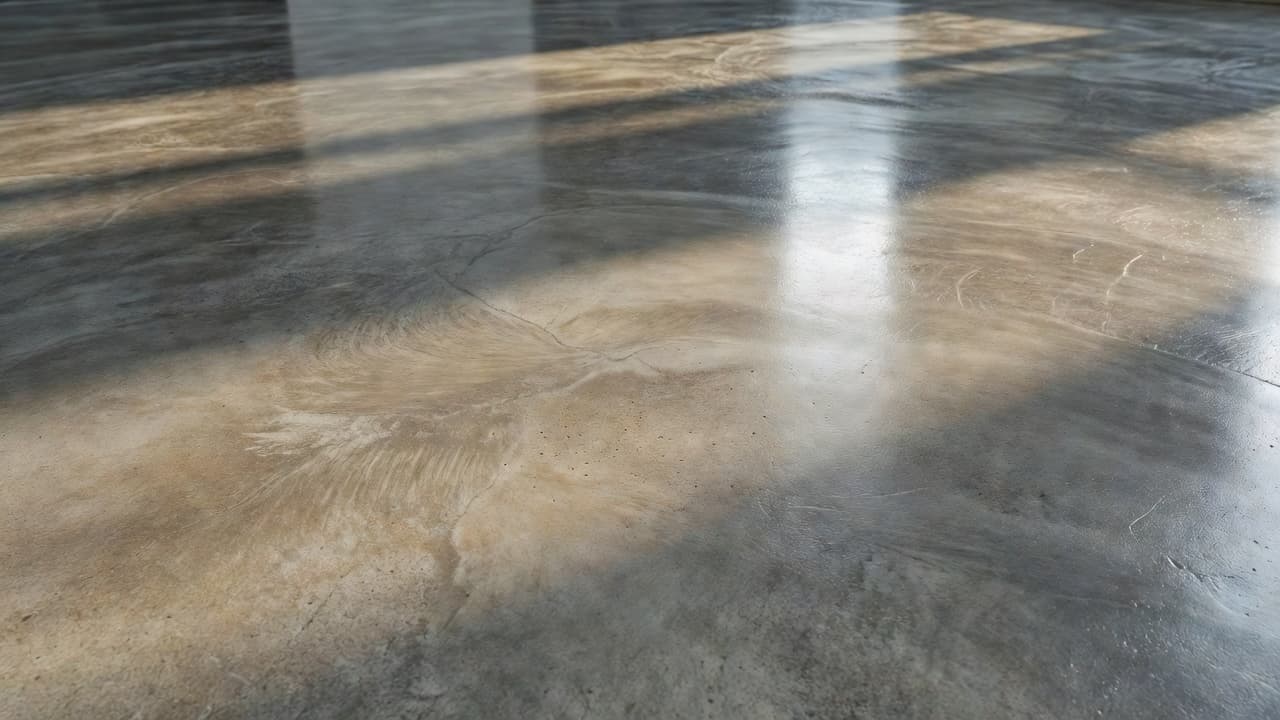
A grind-and-seal finish still looks like concrete. You will usually see natural color shifts, patch marks, and small character changes in the slab. Some people love that raw, honest look. Others expect a uniform showroom surface and end up happier with a coating.
Grinding opens the slab. The sealer protects it. That combination improves concrete, but it does not turn it into a thick, damage-proof layer.
This is also where many buyers confuse grind and seal with full concrete polishing. A polished floor goes through finer and finer grits until the concrete itself develops clarity and reflectivity. In a grind-and-seal system, the shine mostly comes from the top sealer, not from polishing the slab to a high gloss.
Because of that difference, a sealed floor often costs less upfront. However, it also tends to need recoats sooner than a true polished concrete surface in the same setting.
Grind and seal vs polished concrete and floor coatings
If you are comparing finish options, start with how the floor needs to perform. A home gym, a retail shop, and a busy garage do not ask for the same thing.
This quick comparison makes the tradeoffs easier to see:
| Finish type | Best fit | Look | Upkeep | Main tradeoff |
|---|---|---|---|---|
| Grind and seal | Homes, light commercial, utility spaces | Natural concrete with low to medium sheen | Periodic cleaning and recoat | Sealer wears over time |
| Polished concrete | Interior retail, offices, showrooms | Clear, reflective concrete | Low routine upkeep | Higher prep cost, not ideal for every slab |
| Epoxy system | Garages, shops, many commercial spaces | More uniform, film-build finish | Easy cleanup, patching may show | Can scratch, peel, or amber depending on system |
| Stained and sealed concrete | Decorative interiors, patios, some commercial | More color movement and character | Recoat needed | Color variation is part of the look |
When people want a floor that looks more refined and stays glossy longer, polished concrete often wins. If you are weighing both options, this guide on choosing between epoxy and concrete polishing gives a helpful side-by-side look.
On the coating side, a concrete epoxy coating is thicker than a sealer. That matters in spaces where oil, salts, chemicals, or heavy rolling loads show up often. An epoxy coating for concrete can also hide patchwork better than a clear sealer, because it creates more visual uniformity.
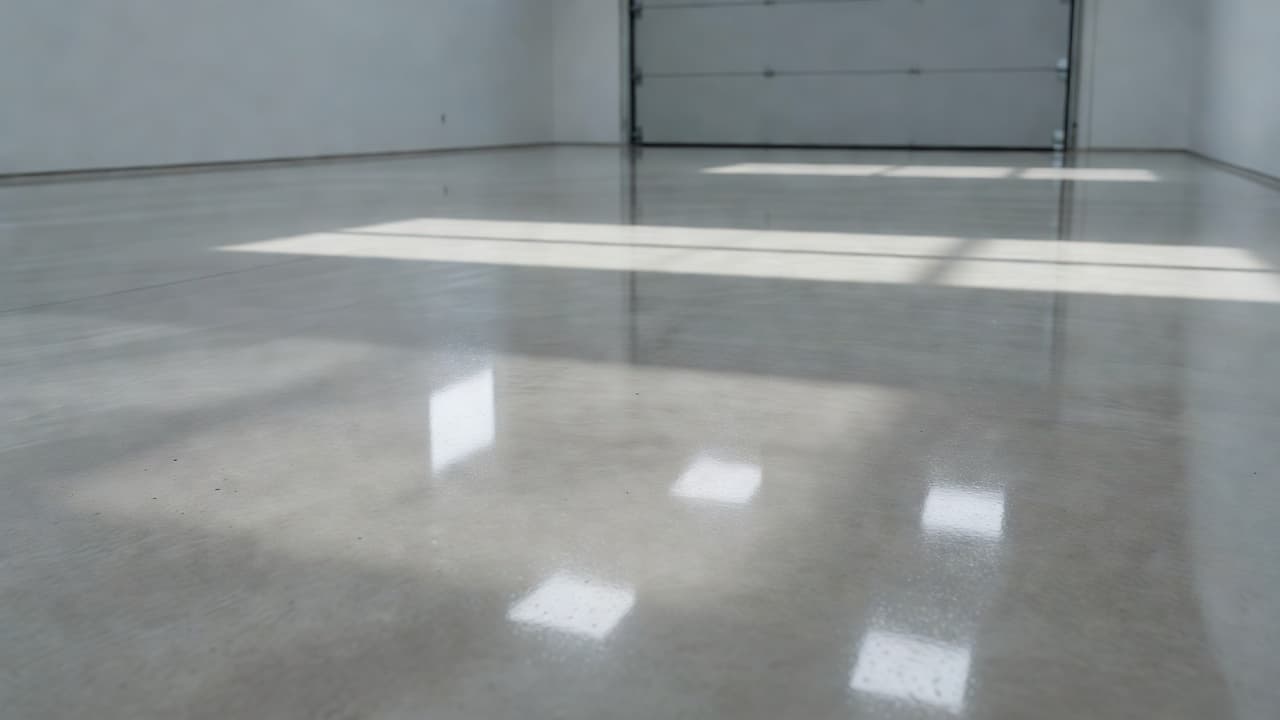
That said, coatings bring their own limits. An epoxy coating for garage floor use is often a better fit than grind and seal when hot tires, oil drips, and road grime are constant. Yet epoxy is not perfect. It can scratch, it can show wear in turning areas, and some systems need a polyaspartic coating topcoat for better UV stability and faster return to service.
For color, there is also concrete staining. Stain changes the slab itself, then a sealer protects the surface. The result looks more natural than paint-like coatings, but it still needs regular care.
The short version is simple. Grind and seal keeps the concrete look. Polishing refines the concrete itself. Epoxy and other coatings create a stronger visual layer over the slab.
Where grind and seal works best, and where it doesn’t
For homeowners, grind and seal works well when you want a cleaner slab without hiding its character. Finished basements, workshops, laundry rooms, and modern living spaces are common matches. In those rooms, the floor is easy to sweep, it sheds less dust, and it often looks more intentional than bare concrete.
Property managers also like it in light-duty common areas, storage rooms, leasing offices, and back-of-house spaces. The floor looks better than plain concrete, but the price is often lower than a full coating system.
Commercial readers should be a little more selective. A sealed floor can work well in boutiques, cafes, office interiors, and showrooms with mostly foot traffic. However, it is usually not the top choice for harsh manufacturing, wet processing, or areas with strong chemicals and heavy steel-wheel traffic. In those places, a commercial concrete epoxy coating or another high-build system may last longer.
Garages sit in the middle. A private garage with light use may do fine with a sealer, but a busy family garage often needs more. If you want a more chemical-resistant, easier-to-wash surface, compare your options with these best epoxy concrete coatings. That is why many owners call a garage floor epoxy coating company when they want stronger protection than a clear sealer can offer.
Below-grade slabs deserve extra caution. A basement concrete coating or sealer can fail if moisture is pushing up through the slab. First fix the moisture issue, then choose the finish.
Lifespan, maintenance, slip resistance, and recoats
This is where expectations need to stay grounded. A grind-and-seal floor is durable, but it is not permanent. The concrete stays in place for decades, yet the protective sealer on top wears with foot traffic, scrubbing, grit, and sunlight.
In many homes, a recoat may be needed every 2 to 5 years. Light-use interior rooms often stretch longer. Busy entries, dog runs, retail paths, and shop floors may need attention sooner. The exact timing depends on the sealer type and how the space is used.
Maintenance is simple, but it still matters. Dry dust mopping helps because sand acts like sandpaper. For wet cleaning, use a neutral cleaner and avoid harsh chemicals unless the installer says the sealer can take them. In commercial settings, clean mats at entrances and regular auto-scrubbing can make a big difference.
Slip resistance needs an honest look too. A smoother, glossier sealed floor can get slick when wet. That does not make it unsafe by default, but it does mean you should match the finish to the room. A traction additive can help in bathrooms, entries, kitchens, or commercial spaces, although it may lower the shine and change how the floor feels underfoot.
Repairs and recoats are normal parts of ownership. Before a refresh coat goes down, contractors may clean deeply, abrade the surface, and handle cracks or stains. Good prep, including patching and other concrete dealing work, matters more than the sealer label on the bucket.
Cost drivers and what to ask before you hire
Price depends on more than square footage. A clean, flat slab with few repairs is cheaper to grind and seal than a floor with paint, adhesive, moisture issues, or lots of cracks. Sheen level, color work, access, and downtime also affect the bid.
Before you hire anyone, ask a few plain questions:
- What grinding level is included, and how much repair work is extra?
- Which sealer will they use, and is it best for your traffic level?
- How slick will the floor be when wet, and are traction additives available?
- How often do they expect a recoat in your type of space?
- Will the floor show patch marks, old stains, or natural slab variation?
Those answers matter because the right finish is not always the fanciest one. Some owners want the natural look of sealed concrete. Others want the thicker barrier of epoxy. A few want polished concrete for a brighter, lower-maintenance interior. The best choice is the one that matches your slab, your traffic, and your tolerance for future upkeep.
Final thoughts
A concrete floor can look sharp and still be practical, but only if the finish matches the space. Grind-and-seal concrete is a smart middle option for owners who like the natural look of concrete and understand that periodic recoats come with the package.
If you want a lower-cost upgrade with less dust and a cleaner appearance, it is often a strong choice. If you need a thicker barrier, longer gloss retention, or stronger chemical resistance, polished concrete or a coating system may fit better.