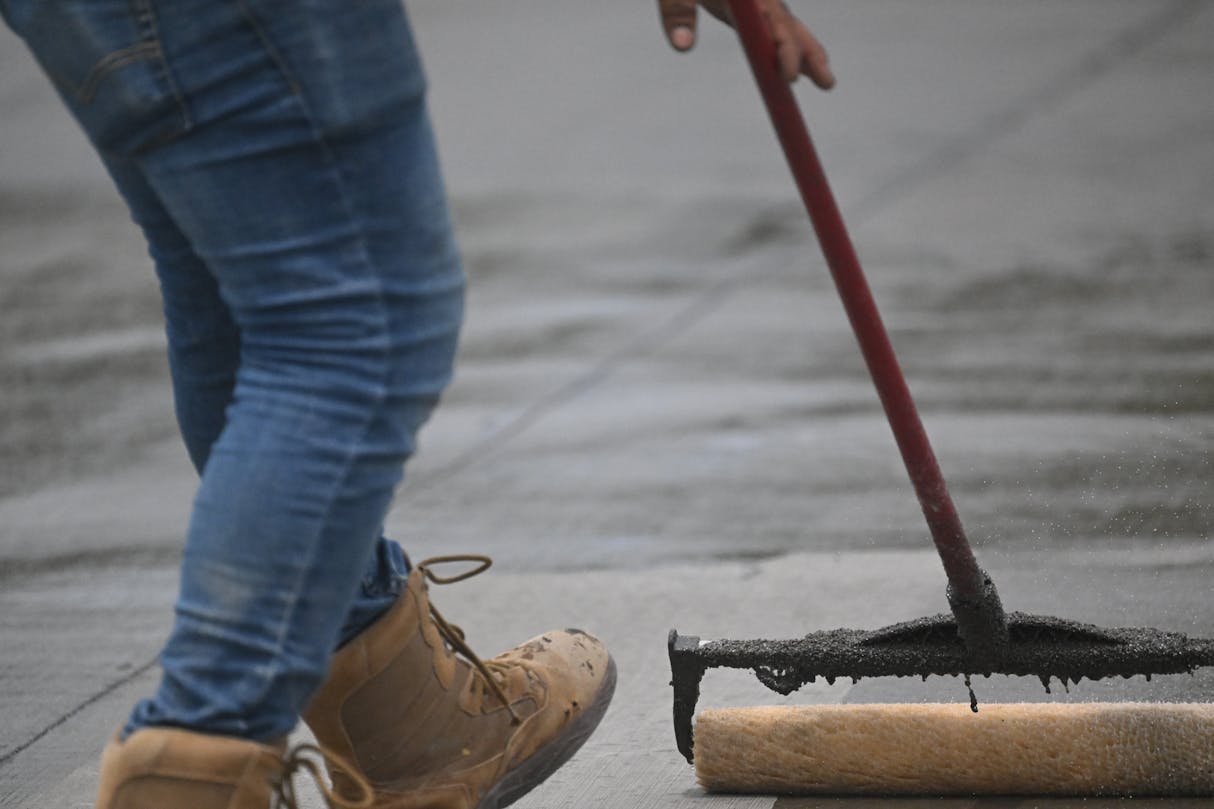
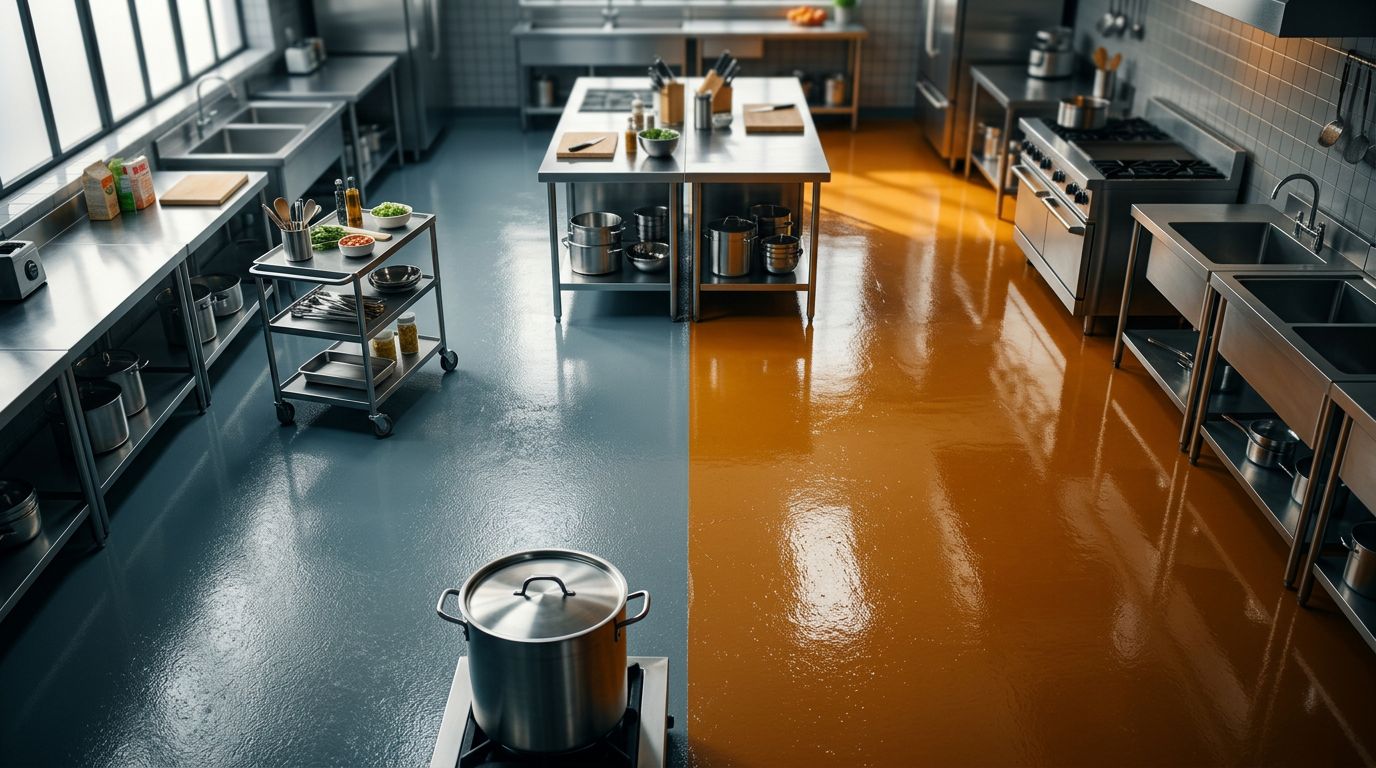
A busy kitchen can ruin the wrong restaurant kitchen floors fast. Grease, hot water, dropped pans, rolling carts, and harsh cleaning turn weak commercial kitchen flooring into a slip risk and a maintenance problem, lacking the durability these environments demand.
That is why they need more than a hard slab. In most back-of-house spaces, choosing the right commercial kitchen flooring system is critical for long-term durability; it is which system should go over the concrete, and where.
Key Takeaways
- Restaurant kitchen floors demand zone-specific systems: urethane cement over concrete excels in high-abuse cook lines, dish pits, and washdown areas, while epoxy suits medium-duty prep and corridors.
- Prioritize seamless, slip-resistant surfaces with chemical resistance, thermal shock tolerance, and easy cleanability to meet food safety standards and reduce maintenance.
- Avoid bare concrete, quarry tile, or vinyl in back-of-house due to staining, bacteria harboring, and poor durability under grease, heat, and traffic.
- Slab preparation—moisture testing, crack repair, and profiling—is critical for long-term success; hire food-service experienced installers over general epoxy contractors.
- Match systems to abuse levels for cost-effective durability that protects the slab and ensures compliance.
What back-of-house floors need to survive
Restaurant kitchen floors in the back of house work harder than many owners expect. The slab below may be solid, but the surface takes daily punishment from moisture, oils, sugar, acids, heat, impact, and high traffic. Small failures become big ones without proper moisture resistance.
A floor in a dish pit does not face the same abuse as a dry storage aisle. Because of that, one finish rarely fits every zone. The cook line, dish pits, prep sinks, walk-in thresholds, and drain areas usually need the most protection.
In a commercial kitchen, the floor is part sanitation surface, part slip-control layer, and part shield for the slab underneath.
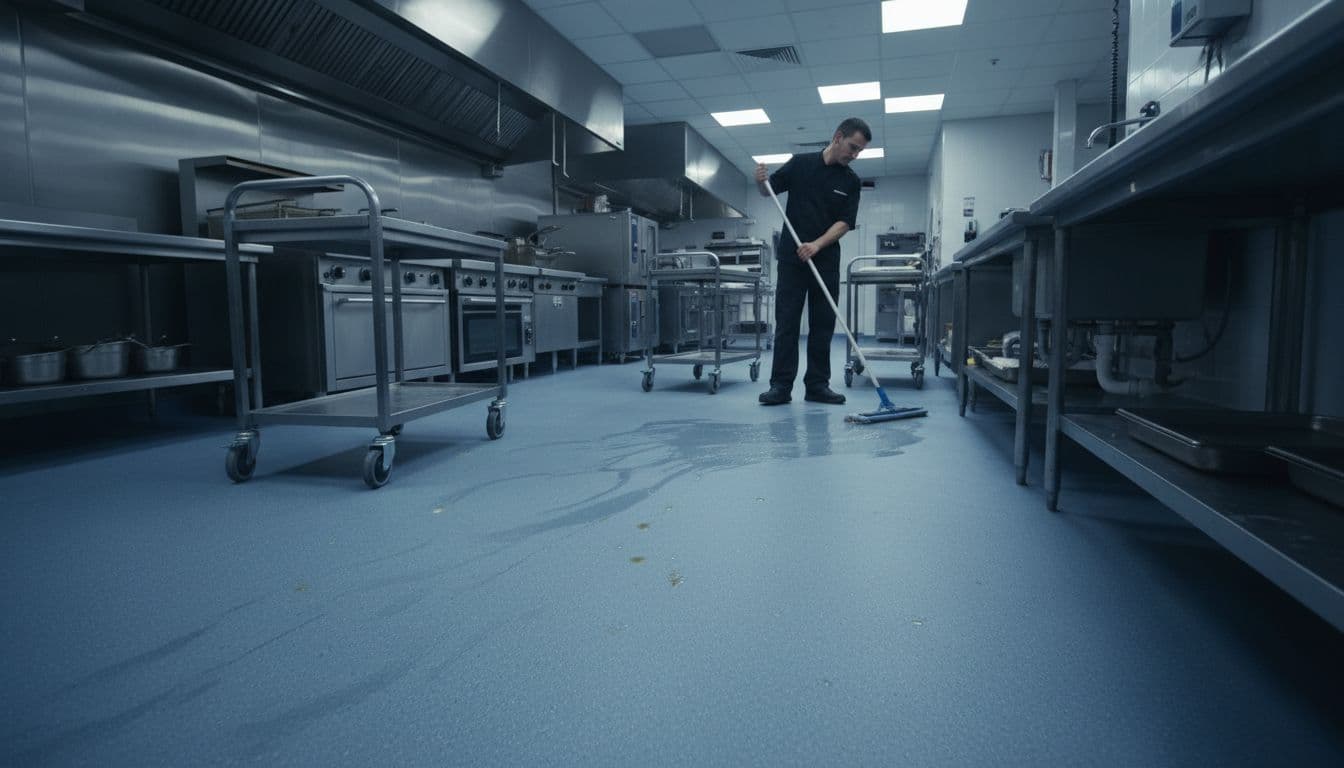
Cleanability matters, but so does traction. A floor that is too smooth can get slick when grease hits it. On the other hand, a floor that is too rough can trap soil and slow cleaning. The best systems balance slip resistance with easy to clean surfaces.
Owners also need to think about compliance-minded details for food safety. That includes clean transitions, coved bases where needed, drain integration, and hygienic flooring surfaces that do not chip or leave open joints. Local code and inspection standards vary, so your design team and installer should confirm what fits the project.
Concrete systems that work best in restaurant kitchens
For most restaurants, the slab is the base, not the final floor. A plain epoxy flooring can work well in lighter-duty kitchen zones, but the harshest areas often need urethane cement installed over concrete. Manufacturers focused on food-service floors, such as Stonhard’s commercial kitchen systems and SaniCrete kitchen flooring, point to the same needs: seamless surfaces, slip resistance, chemical resistance, and tolerance for heat and washdowns.
Here is the quick comparison:
| System | Best fit | Watch-outs |
|---|---|---|
| Bare or simply sealed concrete | Dry storage, low-splash utility areas | Can stain, dust, absorb grease, and become hard to sanitize |
| Vinyl flooring | Lighter-duty front-of-house or dry areas | Lacks the durability of commercial kitchen flooring resins |
| Quarry tile or ceramic tile | Traditional kitchen areas | Grout lines make cleaning tough and harbor bacteria, prone to cracking under thermal shock; not seamless flooring |
| Commercial epoxy flooring | Dry prep, service corridors, some medium-duty BOH zones | Less forgiving with heat shock and constant wet service |
| Urethane cement over concrete | Cook lines, dish areas, drains, hot washdown zones | Higher upfront cost, skilled prep required |
| Epoxy base with polyaspartic coating | Fast-turn projects, selected prep or service zones | Topcoat choice alone does not fix moisture or heat issues |
A commercial epoxy flooring is popular because it looks clean, can be seamless, and resists many spills. An epoxy flooring also allows texture additives, so the floor can be cleaned without becoming a skating rink. For a closer look at build thickness, prep, and topcoats, review these commercial epoxy options.

Still, epoxy has limits. In hot, wet spaces with steam, thermal shock, and regular washdowns, urethane cement usually holds up better thanks to superior chemical resistance and thermal shock tolerance. It is thicker, more forgiving, better suited to constant abuse, and offers low maintenance over time. A comparison of epoxy, tile, and urethane can help when you are matching different kitchen zones to different systems.
Where bare, sealed, polished, or stained concrete fall short
Bare concrete seems simple, and simple can sound smart. In a restaurant kitchen, though, plain or lightly sealed concrete flooring often falls short. It can absorb oils, hold stains, shed dust, and wear unevenly at joints and drains, unlike seamless flooring that avoids the grout lines found in quarry tile, ceramic tile, or vinyl flooring. Once the surface opens up, sanitation gets harder without a non-porous surface.
That is why concrete polishing is usually better suited to front-of-house spaces, dry corridors, or low-moisture service areas than the hot line or dish pit. Polished slabs can be dense and attractive, and many operators like the low upkeep. While rubber flooring offers comfort in some spots, it lacks the thermal shock or chemical resistance of liquid-applied resins. If you are weighing adjacent non-kitchen areas, these concrete polishing benefits show where that finish makes sense.
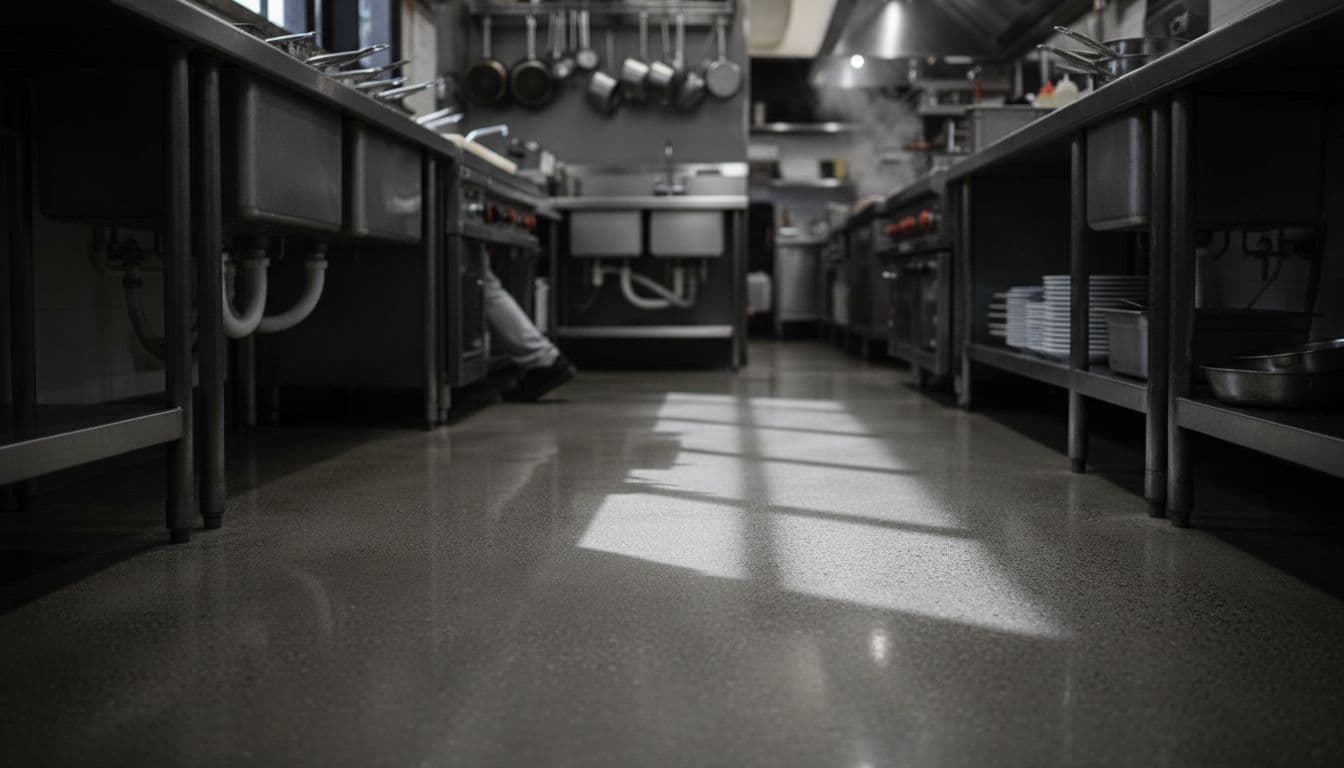
The same caution applies to concrete staining. Concrete staining can add color and character, but it is not a heavy-duty answer for wet, greasy back-of-house conditions by itself. A stain is mostly about appearance, not thermal shock resistance.
Polyaspartic coating often comes up in flooring talks because it cures fast and can return a space to service quickly. That can be helpful during a tight renovation window. In kitchen work, though, it is usually part of a system, not the whole answer. The slab condition, the primer, the base coat, and the texture matter more than the label on the topcoat.
How to choose the right system for your kitchen project
Start with the abuse level in each area, not with product names, when planning your commercial kitchen flooring. A prep room, dish area, cooler threshold, and dry storage aisle may all sit on one slab, but they do not need the same finish.
Most failures start in the concrete dealing phase, the unglamorous work of testing moisture, fixing cracks, correcting slope, and profiling the slab. Those surface prep methods matter because resin bonds to profile, not dust.
If an installer mainly presents as a garage floor epoxy coating company, ask tougher questions. A system sold as an epoxy coating for garage floor projects or a basement concrete coating package may work great in homes, yet still miss the heat, grease, sanitation demands, antimicrobial protection, and FDA regulations of a restaurant kitchen floors project. Seek USDA compliant options that satisfy health inspectors.
When comparing bids, ask for clear answers on these points:
- Which kitchen zones get epoxy flooring, which get urethane cement, and why
- How the installer will handle drains, cracks, joints, and cove details
- What slip-resistant texture is planned after grease and wash water hit the floor, creating a non-porous surface suitable for anti-fatigue mats
- How long prep, curing, and installation downtime will actually take
Pricing stays broad because slab condition, region, prep depth, thickness, and overnight work change the number fast. Bare concrete, rubber flooring, or vinyl flooring costs less upfront. Epoxy flooring often lands in the middle. Urethane cement usually costs more, but it can save money if it prevents early failure.
Frequently Asked Questions
What flooring system is best for heavy-abuse kitchen zones like cook lines and dish pits?
Urethane cement over concrete stands out for its superior thermal shock resistance, chemical tolerance, and seamless durability in hot, wet, greasy areas. It outperforms epoxy in constant washdowns and steam exposure, offering low long-term maintenance. Always confirm USDA compliance for food safety.
Can epoxy flooring handle all restaurant kitchen areas?
Epoxy works well in medium-duty zones like dry prep or service corridors, providing a seamless, cleanable surface with slip-resistant textures. However, it falls short in extreme heat, steam, or heavy chemical abuse compared to urethane cement. Use it where traffic and spills are moderate.
Why avoid bare or polished concrete in back-of-house kitchens?
Bare or polished concrete absorbs oils, stains easily, sheds dust, and wears unevenly, complicating sanitation in greasy, moist environments. It lacks the non-porous protection needed against acids, sugars, and impacts. Reserve it for front-of-house or dry storage.
How important is slab preparation for kitchen flooring success?
Extremely—failures often start with poor moisture control, cracks, or inadequate profiling that prevents resin bonding. Proper prep like shot-blasting ensures longevity, especially under drains and coves. Skip it, and even premium systems like urethane cement underperform.
What should I ask flooring contractors before hiring?
Inquire about zone-specific system choices, drain/crack handling, slip resistance post-grease, and real downtime; demand food-service experience over garage epoxy work. Verify USDA/FDA compliance and past kitchen projects. Pricing varies by prep and thickness, but prioritize proven durability.
Final thoughts
The best restaurant kitchen floors are the ones that match the work happening on top of them. For dry or medium-duty zones, a concrete epoxy coating may be enough. For hot, wet, abuse-heavy areas, urethane cement over concrete is often the safer long-term call.
Choose by zone, demand proof of prep, and hire a contractor with real food-service experience. Commercial kitchen flooring should deliver durability, slip resistance, and be easy to clean, helping your staff move safely, clean faster, and keep the slab protected for years.