Concrete shouldn’t shed its surface like old paint. When it does, the damage often starts small, then spreads faster than most people expect.
Spalling concrete means the top layer breaks, flakes, or pops off. On a driveway, it may look like shallow pits. On a balcony or parking structure, it can point to a bigger problem. The key is knowing whether you’re looking at a surface issue or damage that reaches the steel inside.
What spalling concrete looks like, and what causes it
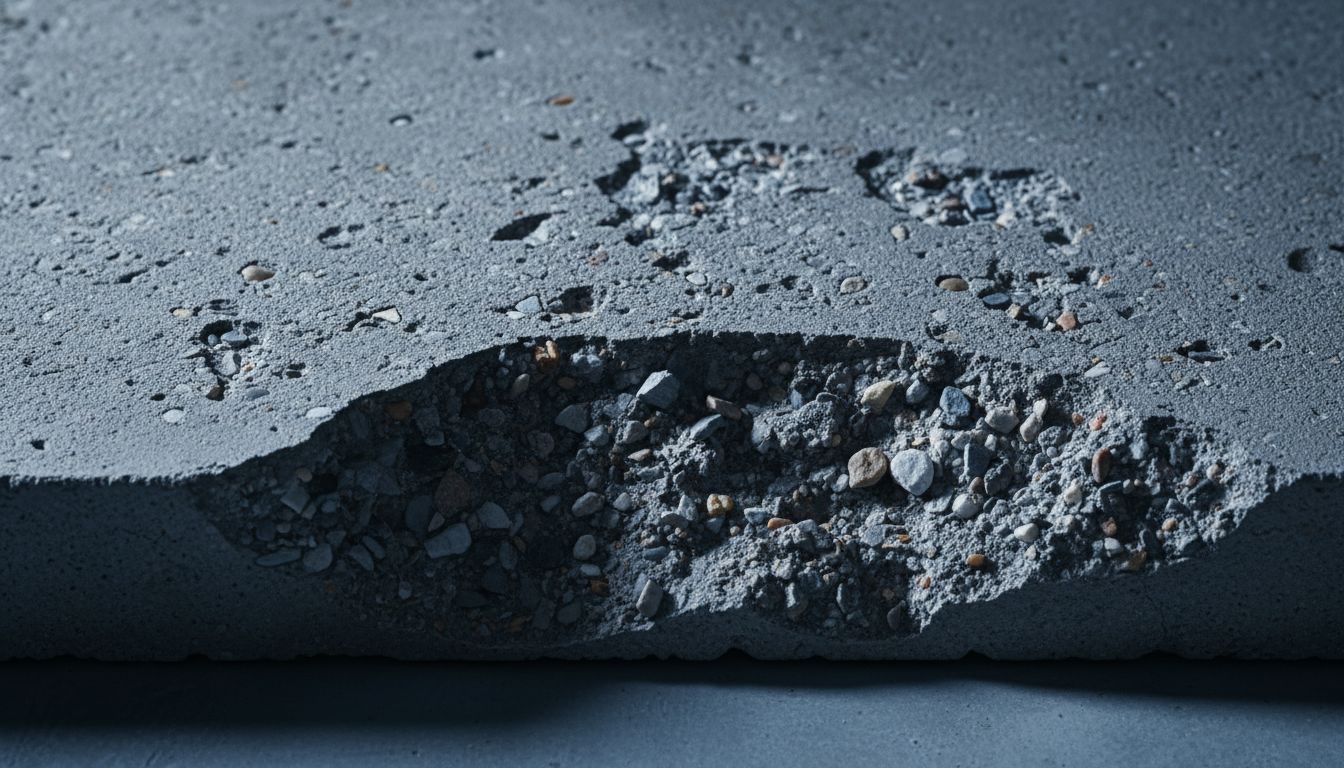
Spalling usually starts as chipping, flaking, or small craters. You may also see rough spots, exposed stone, or thin layers peeling off. In simple terms, pressure builds inside or just below the surface, and the concrete gives way.
Water is the most common trigger. Once moisture gets into concrete, cold weather can make it worse. As water freezes, it expands and pushes outward. Over time, that repeated stress breaks the surface apart. This freeze-thaw spalling explanation gives a clear overview of how that process works.
Other causes matter too. Deicing salts can speed up damage. Poor finishing during the original pour can trap weak paste near the surface. Low-strength concrete, bad curing, heavy wear, and impact can also lead to spalling.
In deeper cases, the problem is corrosion. Steel rebar inside the concrete can rust when water and oxygen reach it. Rust takes up more space than clean steel, so it pushes the surrounding concrete outward until chunks break loose. Before any coating goes down, accurate slab moisture checks matter, especially in basements, foundations, and older slabs.
If the damage is growing fast, or if you see rust stains, call a pro. Surface patches won’t fix hidden pressure below.
Where spalling shows up, from driveways to parking structures
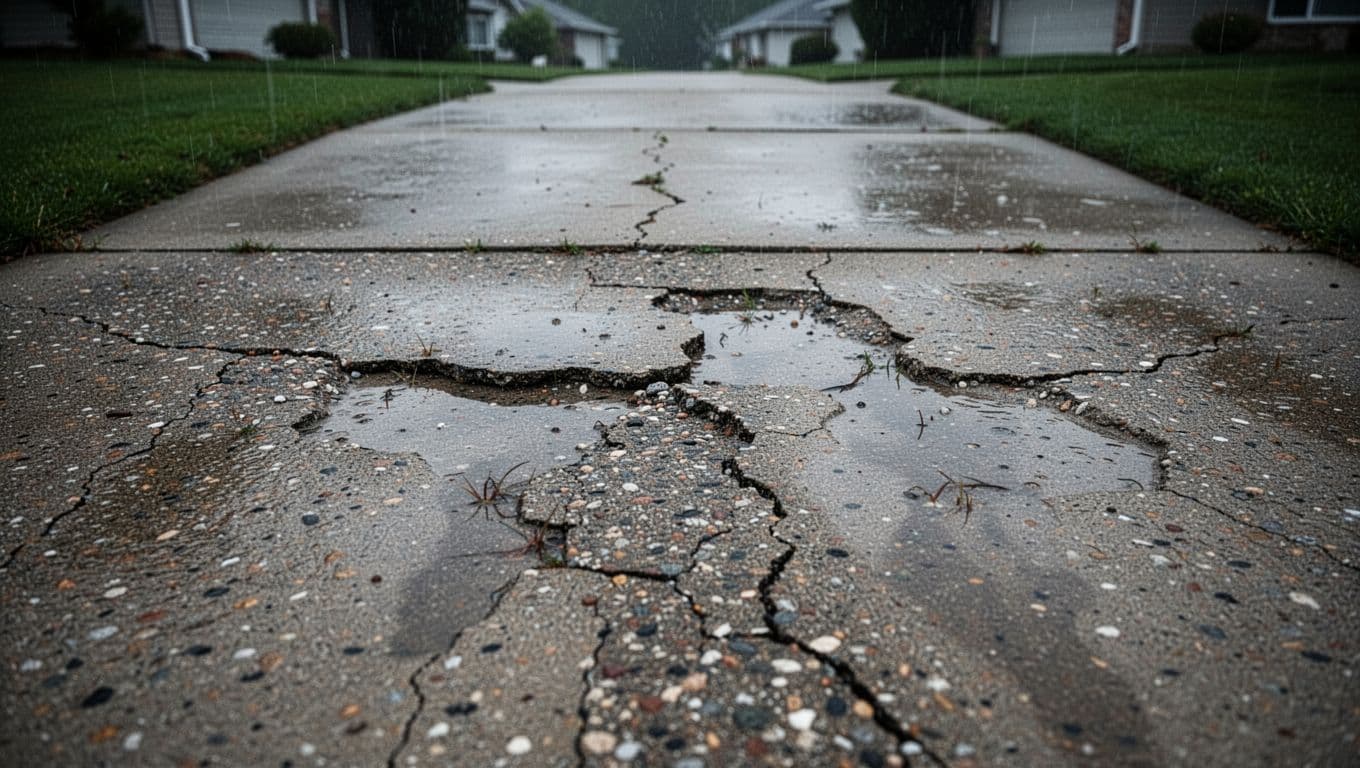
Some spots get hit harder than others. Driveways and sidewalks often spall because they stay wet, catch road salt, and deal with temperature swings. Garage floors break down near the door for the same reasons, plus hot tires and oil exposure.
Foundations and basement slabs can spall when moisture moves through the concrete for long periods. A balcony, porch, or exterior stair can also show damage because those surfaces face rain and sun all year. In apartment buildings and parking structures, the stakes rise because traffic, water, and steel reinforcement all work against the slab.
Surface spalling is often repairable. Spalling tied to rusting rebar needs a deeper inspection.
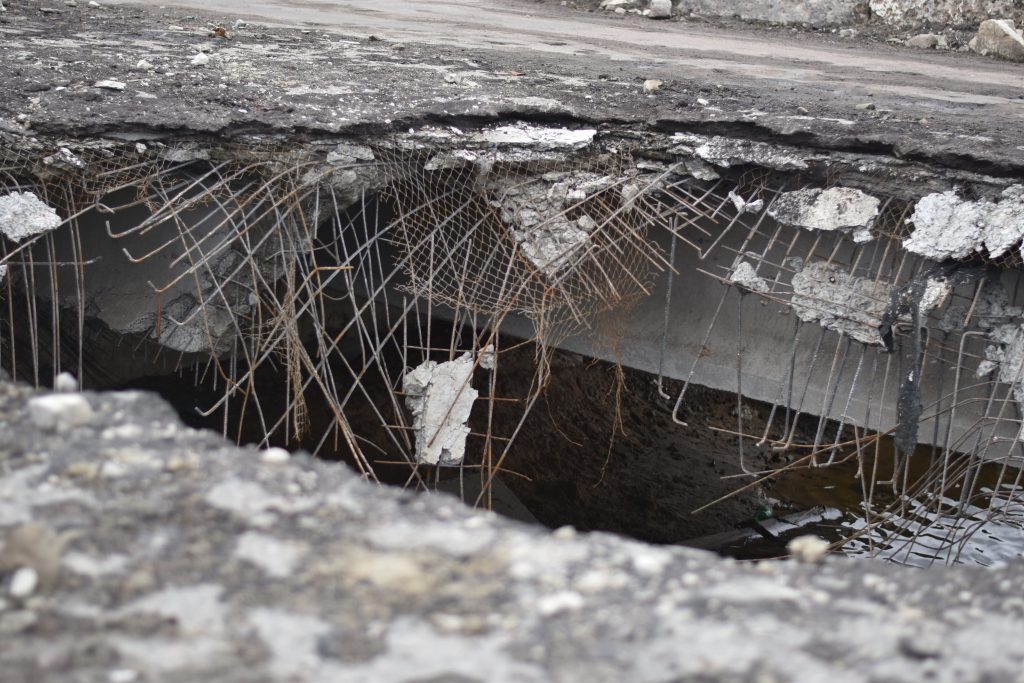
Photo by Serhii Bondarchuk
That distinction matters for homeowners and property managers. If the damage is shallow and stays in the top layer, repair may be mostly cosmetic. If concrete is bulging, hollow-sounding, or exposing steel, the issue may be structural. This building owner guidance on structural spalling is useful for commercial and multi-unit properties.
Watch closely for warning signs. Exposed rebar, deep cracks, falling chunks, or spalling on overhead concrete should never wait. Those conditions deserve a professional inspection, and sometimes an engineer.
How to repair spalling concrete and stop it from returning
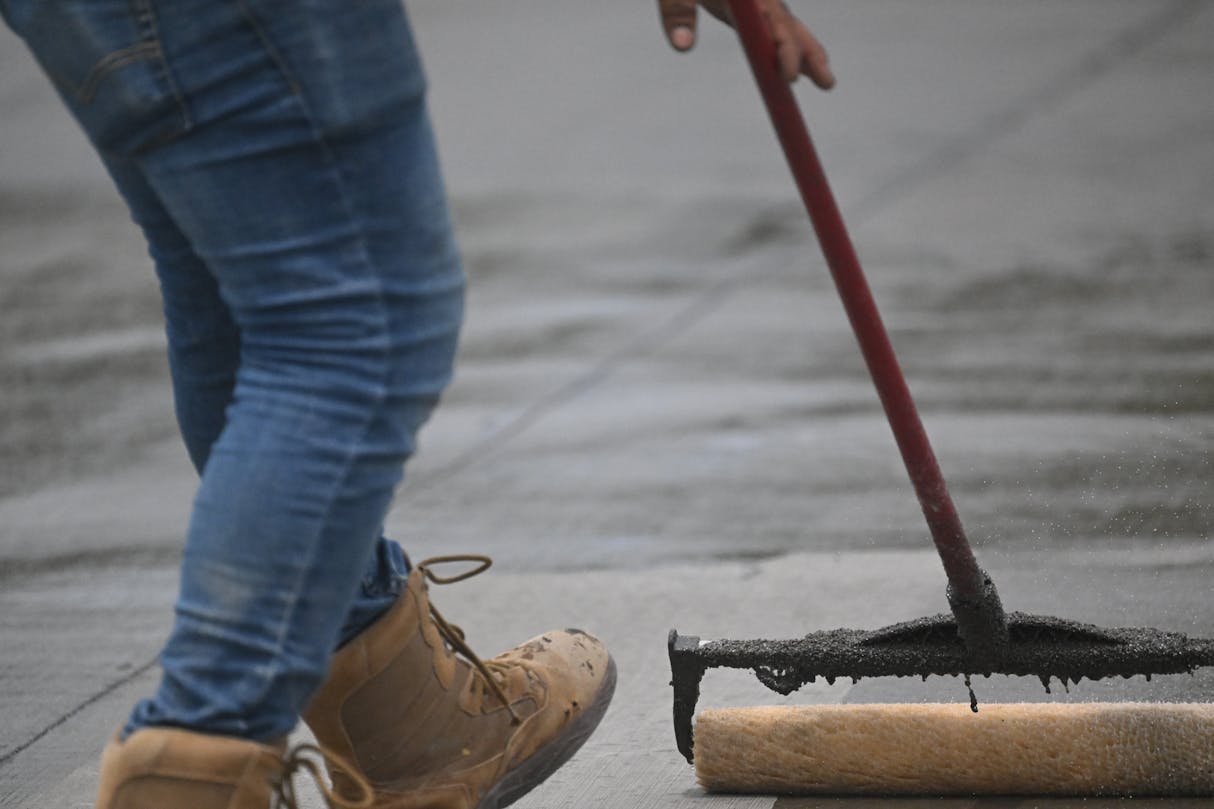
Repair depends on depth. For light surface spalling, crews usually remove loose material, clean the area, and apply a patch or resurfacer. That can work well on sidewalks, driveways, and garage floors when the slab underneath is still sound. A practical repair overview by damage depth shows why shallow and deep repairs are not the same job.
When rebar corrosion is involved, the repair goes further. Contractors may need to chip out damaged concrete, clean or replace steel, and rebuild the section with repair mortar. In those cases, the goal is not to hide the damage. The goal is to stop the cause.
That is also where coatings get misunderstood. An epoxy coating for concrete can seal a repaired slab, but it can’t rescue weak material underneath. The same goes for a concrete epoxy coating in a garage or shop. If you’re comparing finishes, a detailed concrete epoxy coating guide can help explain what coatings do well and where they fail.
On sound, properly repaired slabs, finishes can add protection and make cleanup easier. An epoxy coating for garage floor use can help with oil, stains, and wear. A basement concrete coating may work well below grade, but only after moisture testing. In busy facilities, a commercial concrete epoxy coating system may pair with a polyaspartic coating top layer for better return-to-service time.
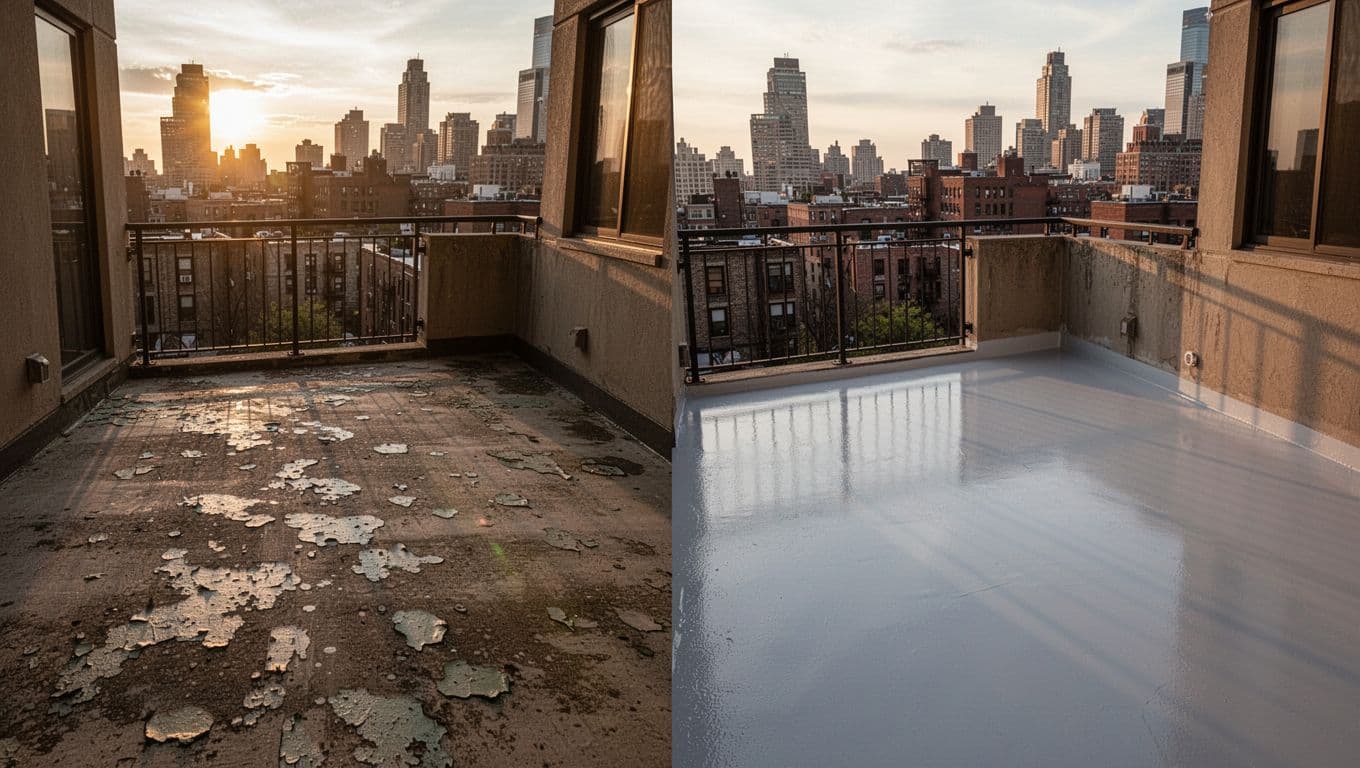
Surface prep matters as much as the coating itself. The best concrete prep for epoxy often involves grinding or shot blasting, not a quick acid wash. A trustworthy garage floor epoxy coating company should say that clearly.
If you want a different look after repair, concrete polishing or concrete staining can make sense on a stable slab. In plain terms, good concrete dealing starts with the cause, not the finish.
The part that matters most
Spalling concrete is a warning sign, not a cosmetic quirk. Sometimes it means the top layer was weak or weather-worn. Other times, it points to trapped moisture or rusting steel below.
If the damage is shallow, repair may be simple. If rebar is showing, chunks are falling, or the slab sounds hollow, get it inspected before you cover it with anything. Lasting repairs start with the cause.