Cracks in concrete floors are common, but they don’t happen for one single reason. Many start early, while the slab is still gaining strength through curing, not long after the pour.
That matters if you own a garage, basement, shop, or commercial space. A cracked slab can hurt appearance, trap moisture, and create problems under coatings. If you’re considering durable epoxy concrete finishes, the slab underneath needs to be stable first.
The key idea is simple: concrete doesn’t harden because it “dries out.” It hardens because water and cement react, and that reaction can go wrong.
Concrete does not dry hard, it cures through a chemical reaction
A lot of people picture fresh concrete like wet paint. They think the water leaves, the slab dries, and that’s that. Concrete doesn’t work that way.
Instead, cement and water react in a process called hydration. That reaction builds the internal glue that gives the slab strength. So when people push for fast drying, they can raise the chance of cracking. That’s why the concrete curing chemical stages matter in real life, not only in a lab.
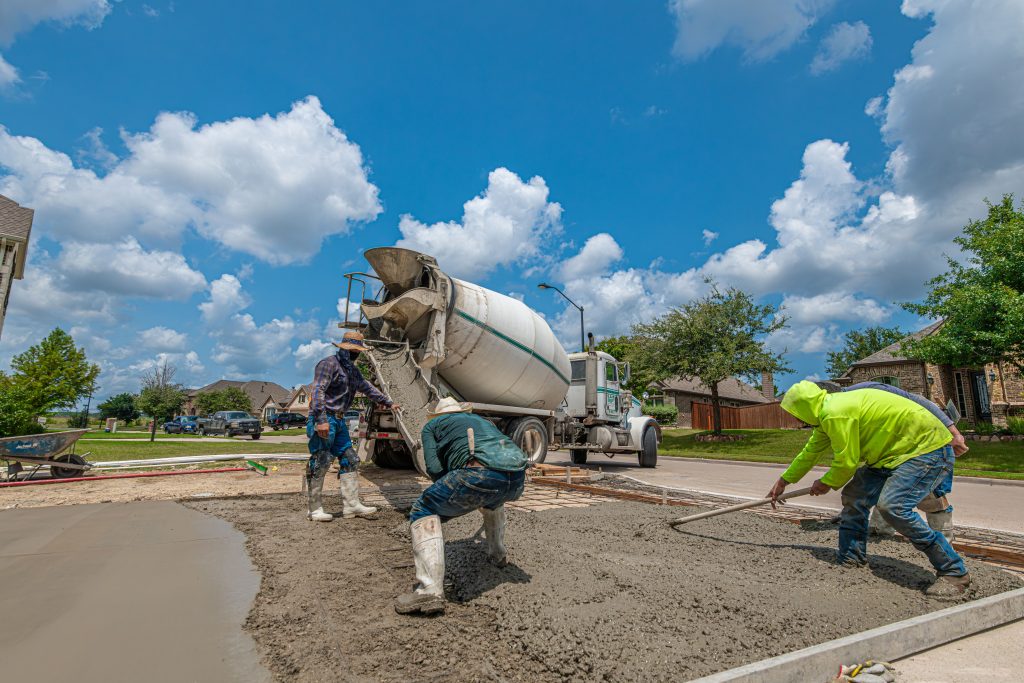
Photo by Ryan Stephens
What hydration means inside a fresh concrete slab
Hydration is the chemical reaction between cement and water. As that happens, the mix starts building new compounds that lock the slab together.
The main one is calcium silicate hydrate, often shortened to C-S-H. That’s the part that gives concrete much of its strength. Another product, calcium hydroxide, forms as a byproduct.
You don’t need to memorize the chemistry. What matters is this: if the slab loses water too soon, hydration slows or stops before the concrete reaches its best strength. A surface can look firm while the inside is still weak.
A slab can feel hard on top long before it has finished curing below the surface.
The five curing stages that shape strength and crack risk
Concrete goes through five broad stages after water hits the cement: mixing, dormancy, hardening, slowing down, and long-term strength gain.
At first, everything wakes up fast. Then comes a short quiet window, often a few hours, when crews can place and finish the slab. After that, hardening picks up, heat builds, and the concrete starts gaining real strength. Later, the reaction slows, but it doesn’t stop. The slab keeps getting denser over time.
This quick timeline helps put that into plain terms:
| Time after pour | What you notice | What is still happening |
|---|---|---|
| About 3 days | Surface feels firm | Strength is still developing fast |
| About 7 days | Slab handles light service better | Often around 70% strength |
| About 28 days | Common benchmark for curing | Reactions still continue after this |
So yes, 28 days matters. Still, the first week often decides whether the floor starts strong or starts with hidden stress.
Why concrete floors crack during curing and early life
Concrete cracks when stress builds faster than the slab can resist it. During curing, that can happen from water loss, heat, weak mix choices, or poor slab design. Often, it isn’t one problem alone. Two or three stack up and push the floor past its limit.
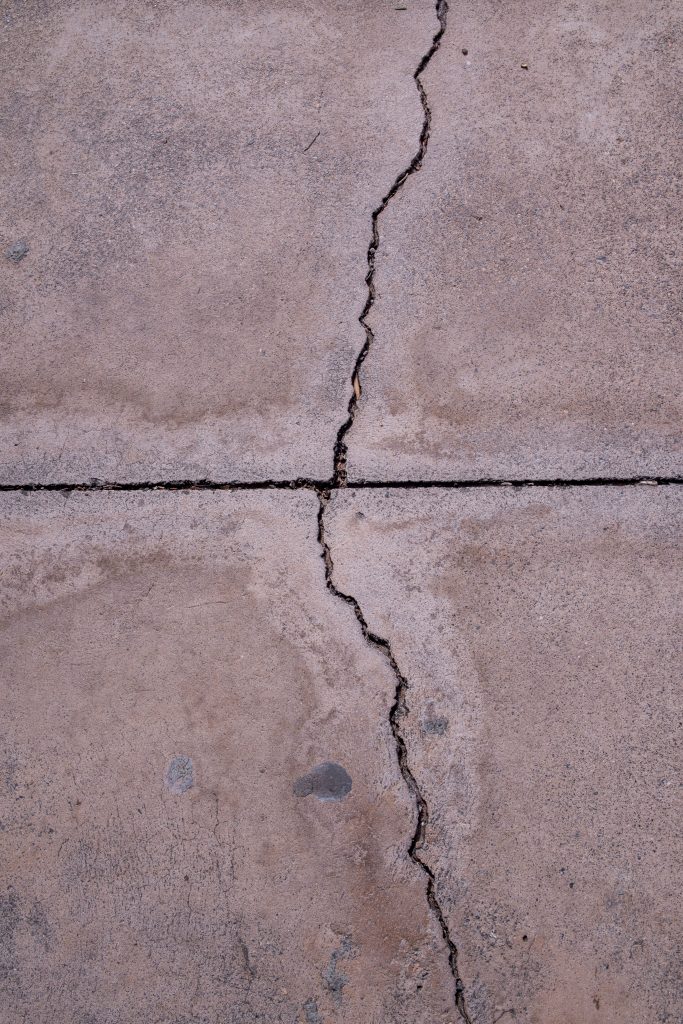
Photo by Victor Moragriega
Fast moisture loss causes shrinkage cracks
Fresh concrete needs water for hydration. At the same time, some of that water wants to leave through the surface. If it leaves too fast, trouble starts.
One early problem is plastic shrinkage cracking. This happens while the slab is still fresh. Sun, wind, warm air, and low humidity can pull moisture off the top so quickly that the surface shrinks before the lower concrete can follow. The result is a pattern of thin cracks, often shallow but still real.
Later, drying shrinkage can show up as the slab continues to lose moisture. Concrete naturally shrinks a bit as it dries. If that movement gets restrained by the base, walls, columns, or re-entrant corners, cracks can form.
Think of it like a mud puddle drying in the sun. The top tightens first. Concrete is stronger than mud, of course, but the same uneven pull still creates stress.
Heat and temperature swings create internal stress
Hydration gives off heat. That means a slab can warm from the inside even when the air feels mild.
If the top cools faster than the middle, or the bottom stays cooler than the rest, different parts of the slab move at different rates. That uneven movement creates internal tension. In hot weather, the surface may lose water fast and heat up hard during the day. Then a cool night can change the temperature again. Those swings add stress before the slab has full strength.
You can picture a loaf of bread with a firm crust and a softer center. If one part changes size before the other, small separations can form. Concrete behaves differently, but the idea of uneven change is similar.
Weak spots in the mix or the slab layout can make cracking worse
Curing is a big part of the story, but it isn’t the whole story. Some floors start with built-in weak points.
Too much water in the mix is a common one. Extra water makes placement easier, but it can leave the slab weaker and more shrink-prone. Poor subgrade prep is another problem. If the soil or base under the slab isn’t compact and even, the floor may settle unevenly.
Layout matters too. A slab needs control joints so cracking happens in planned locations instead of random ones. Reinforcement also has to sit in the right place to help control movement. Large open slab areas without enough joints often crack because the concrete has nowhere to relieve stress.
So when a floor cracks, curing may light the fuse, while design and prep decide how bad it gets.
Which cracks are normal, and which ones are warning signs
Not every crack means the slab is failing. Some are small, stable, and mostly cosmetic. Others point to moisture, movement, or a deeper structural issue. The trick is knowing the difference before you add a coating or polished finish.
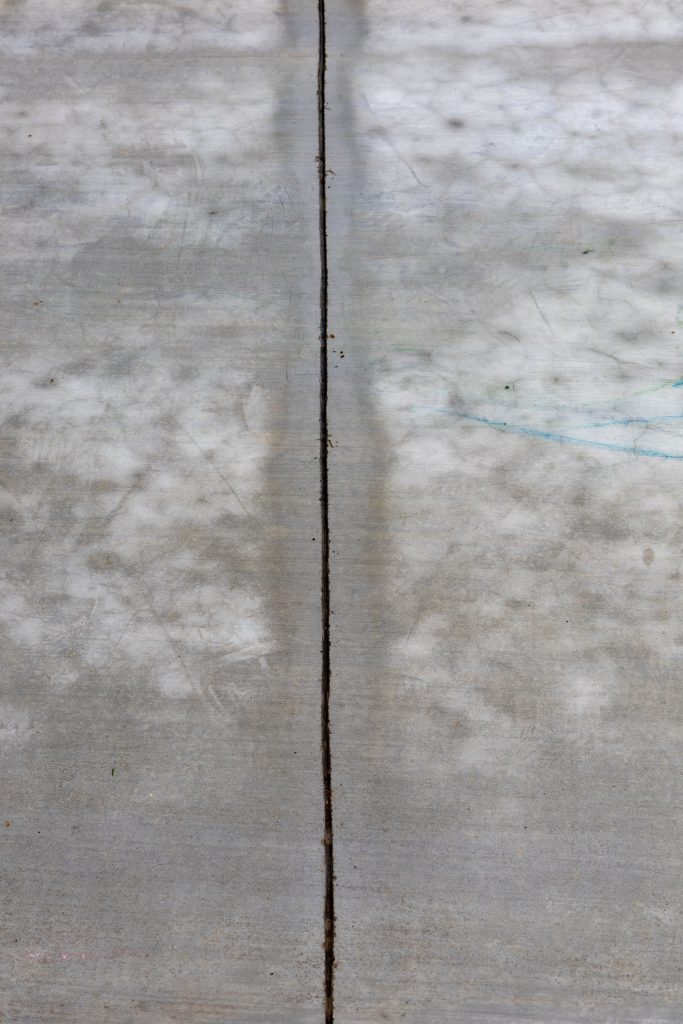
Photo by Phillip Dillow
Hairline cracks that may be cosmetic only
Hairline cracks are thin, often shallow, and may stay the same for years. They usually don’t show height change from one side to the other. They also don’t leak water or keep growing wider.
That said, “cosmetic” doesn’t mean “ignore it.” Coatings can highlight small flaws the way glossy paint shows dents in drywall. Even minor cracks should be checked and prepped before finishing the floor.
Signs a crack may point to moisture, movement, or structural trouble
Some crack patterns deserve fast attention, especially in basements, garages, and commercial slabs. Watch for these signs:
- Cracks that keep widening over time
- Uneven edges, where one side sits higher
- Repeat cracks that come back after repair
- Moisture or dark staining coming through the slab
- Cracks near doors, corners, or heavily loaded areas
Those signs suggest movement, water pressure, or support issues under the slab. They matter even more before a decorative or protective finish goes down. If you want a pro to review the slab condition first, the team behind garage epoxy and polishing experts can help explain what needs repair and what may simply need prep.
How to lower the risk of cracking before applying a floor coating
If you plan to coat, polish, or stain a concrete floor, the best results start well before the finish. Good curing and smart prep give the slab a better chance to stay tight, dry, and stable.
Better curing habits help concrete stay stronger
Fresh concrete likes steady conditions. It wants enough moisture to keep hydration going, and it wants temperature swings kept in check.
That often means covering the slab, keeping it damp when needed, or using curing compounds that slow evaporation. The goal is not to rush drying. The goal is to let the chemical reaction continue long enough to build a denser surface.
The first week matters a lot. Concrete cured for seven days can end up much stronger than concrete that only got a few days of proper care. That strength gap can show up later as dusting, weak wear layers, or cracks that print through coatings.
Why crack repair and moisture testing matter before finishing the floor
A coating doesn’t hide slab problems for long. In many cases, it makes them easier to see.
Before finishing the floor, installers should check for active cracks, test for moisture, and repair the surface with materials that match the slab’s condition. That prep affects how long the floor lasts and how clean it looks. It also helps avoid peeling, bubbling, and crack telegraphing later.
The right finish depends on how the space is used. Garages and basements often benefit from epoxy floors for garages and basements when moisture and cracks are handled first. If you want a low-maintenance hard surface without a peelable film, expert concrete polishing services may be a better fit. Stained concrete can work well too when the slab has the right look and condition.
Concrete cracks aren’t random bad luck. In many cases, they trace back to how the slab cured, how fast it lost water, and how it handled heat in those early days.
The takeaway is simple: better curing and better prep lead to better floors. If you’re planning a coating or decorative finish, treat the slab first, because the surface can only perform as well as the concrete beneath it.