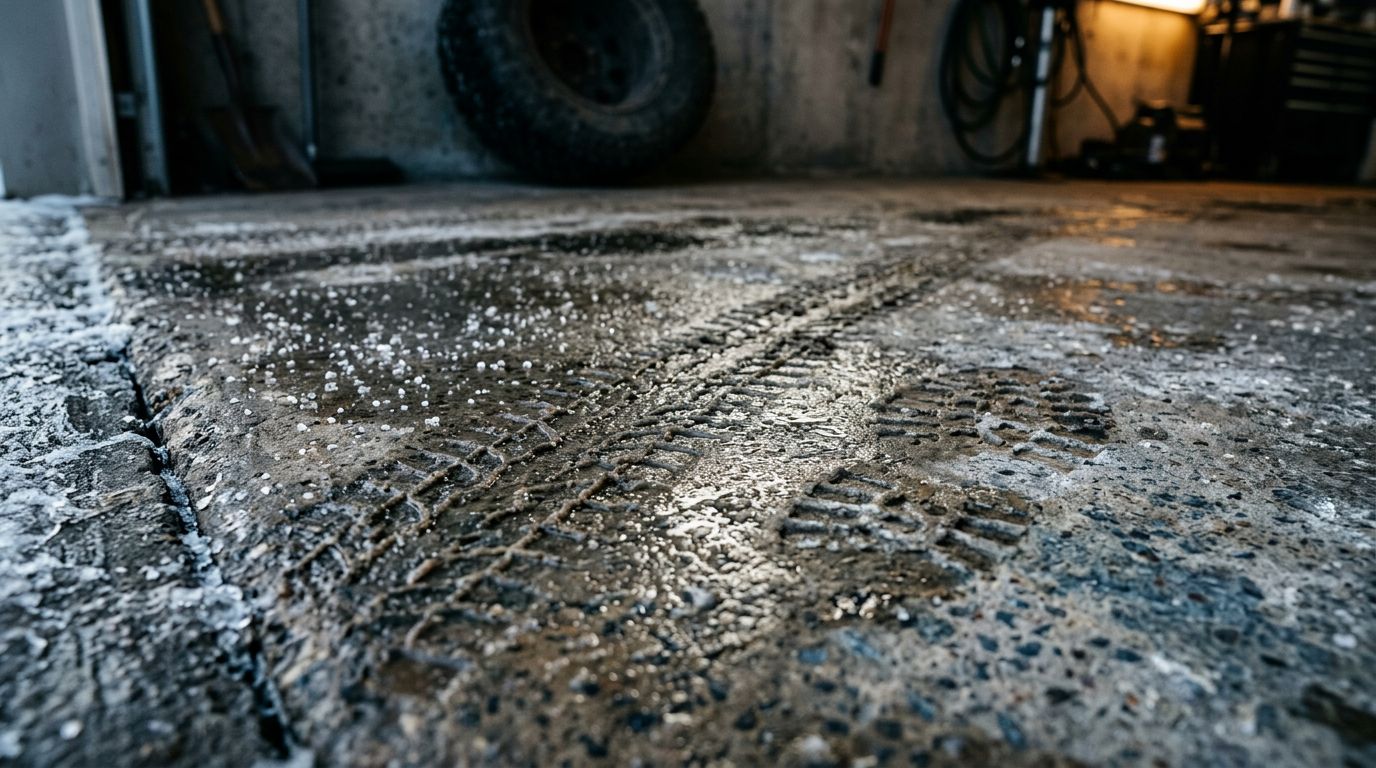
Road salt can turn a solid concrete floor into a stained, rough, moisture-prone surface faster than most owners expect. The damage often starts with wet tires, slushy boots, and salty water that sits too long.
If you want to protect concrete floors through winter, the best plan is simple: stop salt at the door, clean it up fast, keep moisture moving out, and use the right sealer or coating for each space. A garage, basement entry, warehouse floor, and outdoor slab all need slightly different care.
Why road salt is hard on concrete floors
Salt doesn’t usually wreck concrete by itself. The bigger problem is salt plus water.
Concrete has tiny pores, so salty meltwater can soak in, stay damp, and weaken the surface over time. Outdoors, that moisture can freeze, expand, and break off the top layer. Indoors, tracked-in salt leaves a white crust, pulls in more moisture, and keeps the slab wet longer than plain water would.
That’s why the same winter storm can affect two spaces in different ways. An outdoor walkway may start to scale or flake. An attached garage may develop dark wet spots, tire marks, and surface wear where puddles sit every day. A basement entry can collect salty residue that gets ground into the floor by foot traffic.
Some finishes handle this better than others. Bare concrete is the most exposed. Concrete staining adds color, but stain alone won’t stop salt or water from getting into the slab. Concrete polishing works well indoors when the floor stays mostly dry and gets regular cleaning, but polished concrete still needs the right maintenance if salty slush is coming in often.
A short salt damage overview shows the same pattern many property owners see after one rough winter: damage starts where moisture sits the longest. In other words, puddles are your enemy.
Stop salt before it spreads and control moisture fast
The cheapest fix is keeping salt from traveling across the floor in the first place.
Start outside. Shovel snow early so it doesn’t melt and refreeze into a salty slurry. Keep downspouts clear and direct runoff away from slabs, especially near garage doors and walkways. If water drains back toward the house, salt stays in contact with the concrete longer.
Inside, use a layered entry setup. Put one coarse mat outside the door and another absorbent mat inside. In garages, add a boot tray near the entry door and a parking mat or containment pad where the car drips. Those small barriers cut down how much salt reaches the slab.
Moisture control matters just as much as salt control. If the garage floor stays damp all day, salt keeps working on the surface. Open the space when weather allows, run a fan in enclosed areas, and squeegee standing water toward the drain or door. For basements, check that the entry path stays dry and that humid air isn’t slowing evaporation.
This is also the point to look for weak spots. Hairline cracks, worn sealer, and dusty patches all give salty water an easy path into the floor. When those issues show up before winter, fix them early. It’s much easier to protect concrete floors when the surface is still intact.
Clean indoor and outdoor concrete the right way
Once salt lands on the floor, speed matters. A quick cleanup beats a heavy cleanup every time.
For indoor concrete, sweep or vacuum up dry salt first. That keeps gritty crystals from acting like sandpaper when you mop. After that, wash the area with warm water and a pH-neutral cleaner made for concrete or coated floors. Use a microfiber mop or a soft-bristle deck brush, then remove the dirty water with a wet vac or squeegee.
Garages need special attention under parked vehicles. Meltwater collects there, then dries into a concentrated salt patch. If you have an epoxy coating for garage floor use, cleanup is much easier, but you still need to remove puddles. Salt left sitting on top of a coating can dull the finish and work into weak seams or chips.
Outdoor slabs need a gentler touch than many owners realize. A garden hose, mild cleaner, and soft brush are fine for routine washing when temperatures allow. Pressure washing can help in spring, but keep the pressure moderate and don’t blast the surface at close range.
Avoid acids, wire brushes, and harsh degreasers. They can rough up the surface and make the next round of salt damage worse.
This video on stopping salt damage to concrete gets one thing right: leaving salt in place is what turns a small winter mess into a repair job. Cleanups don’t need to be fancy, but they do need to be regular.
Choose the right sealer or coating for the space
If winter exposure is a yearly problem, cleaning alone won’t be enough. You need a surface that resists moisture and makes salt easy to remove.
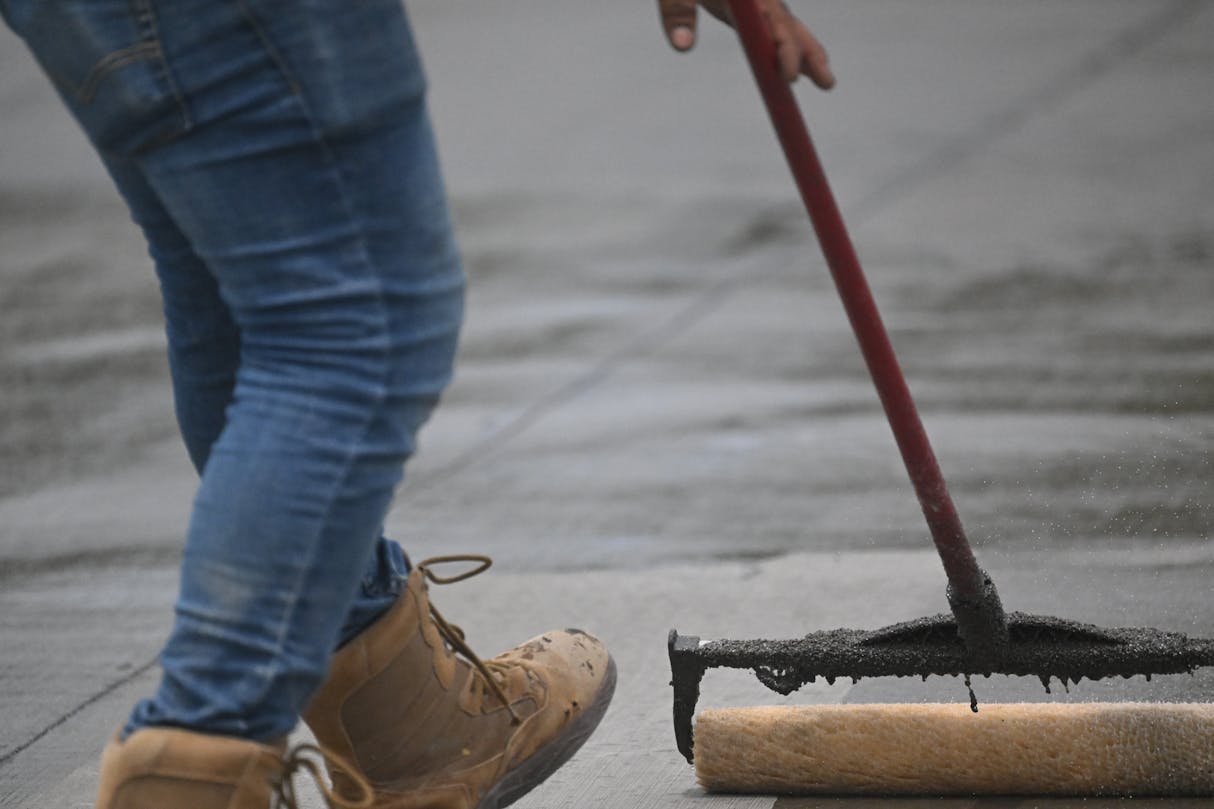
For outdoor slabs, a quality penetrating sealer is usually the best first step. It helps limit water and salt intrusion while keeping the natural look and traction of the concrete. For covered garages, workshops, and entries, a film-building system can provide stronger surface protection.
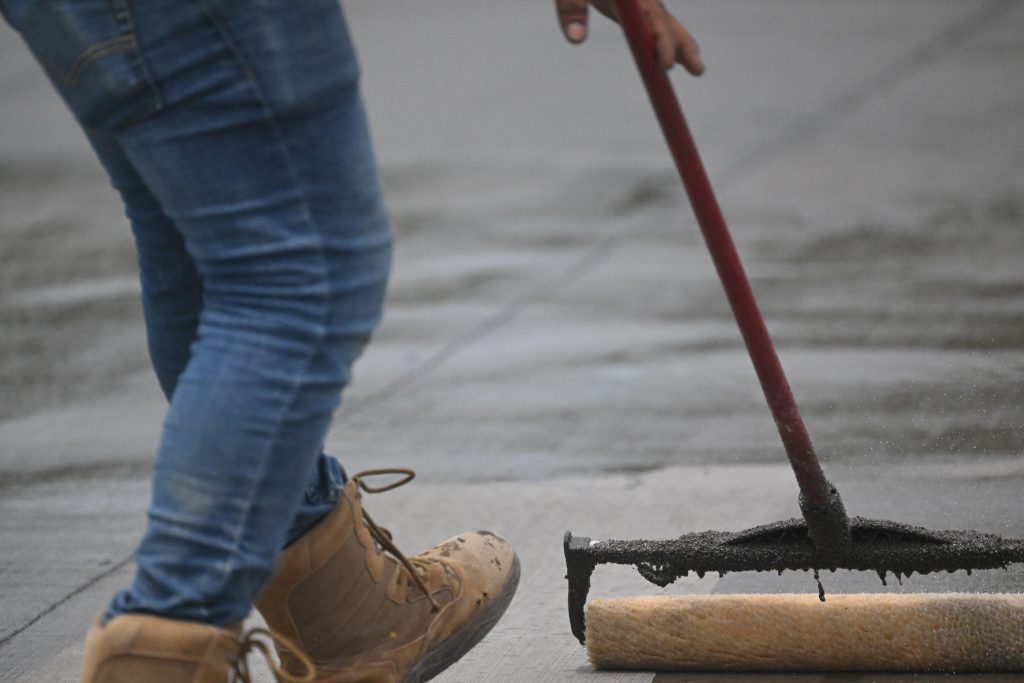
Photo by Eyes2Soul Eyes2Soul
A concrete epoxy coating is a strong option for indoor spaces that see tires, foot traffic, and winter slush. A well-installed epoxy coating for concrete keeps salt on the surface instead of in the slab, so routine washing does more good. If salt gets tracked downstairs, a basement concrete coating can make that entry area easier to clean and less dusty year-round.
Some owners choose a polyaspartic coating because it cures faster and handles heavy garage use well. Retail back rooms, service bays, and work areas often need a commercial concrete epoxy coating built for constant traffic and repeated mopping. If you’re comparing systems, a good professional concrete coating services team should talk about prep, crack repair, and moisture testing before color or gloss.
The best fit depends on where the floor is and how it gets wet.
Matching the finish to the space
| Area | Best protection | Why it works |
|---|---|---|
| Outdoor walkway or stoop | Penetrating sealer | Helps reduce water and salt absorption while keeping traction |
| Attached garage | Epoxy coating for garage floor use or a polyaspartic coating | Resists stains, salty slush, and routine washdowns |
| Basement entry or utility room | Basement concrete coating or penetrating sealer | Limits dust and makes wet cleanup faster |
| Storefront, shop, or service area | Commercial concrete epoxy coating or concrete polishing | Handles traffic and regular cleaning better |

Concrete polishing can be a smart choice for dry interior spaces that get frequent maintenance. Concrete staining works best when appearance is the main goal and a compatible sealer protects the surface. If the slab already has pitting or active moisture issues, leave bigger concrete dealing to a pro before you coat over the problem. A garage floor epoxy coating company should always check the slab first, because even the best topcoat fails on bad prep.
Use safer de-icing methods and stick to a winter routine
Outdoor concrete needs traction in bad weather, but the wrong product can speed up surface wear. If you can, use sand or another traction aid in lower-risk spots where melting ice isn’t the main goal. When you do need a de-icer, choose one labeled for concrete and use the lightest amount that gets the job done.
Newer slabs need extra care. Fresh concrete is more prone to winter damage, so it’s smart to stay conservative with de-icers and follow the installer’s cure guidance.
A simple routine keeps most floors in good shape:
- Sweep or vacuum salt within a day of heavy traffic.
- Mop or rinse salty residue before it dries into a crust.
- Remove standing water from garages, entries, and basement doors.
- Check for worn sealer, chipped coating, or new cracks every few weeks.
- Recoat or reseal weak areas before the next winter cycle.
That routine doesn’t take long, but it keeps small problems from stacking up. Salt damage rarely shows up all at once. It builds through repeated exposure, missed cleanups, and trapped moisture.
Conclusion
Road salt does its worst work when it sits wet on unprotected concrete. The strongest way to protect concrete floors is to block that cycle early, with better moisture control, fast cleaning, and the right sealer or coating for the space.
When the surface matches the job, winter cleanup gets easier and the slab lasts longer. Salt should stay a maintenance chore, not turn into spalling, dusting, or costly repairs.