
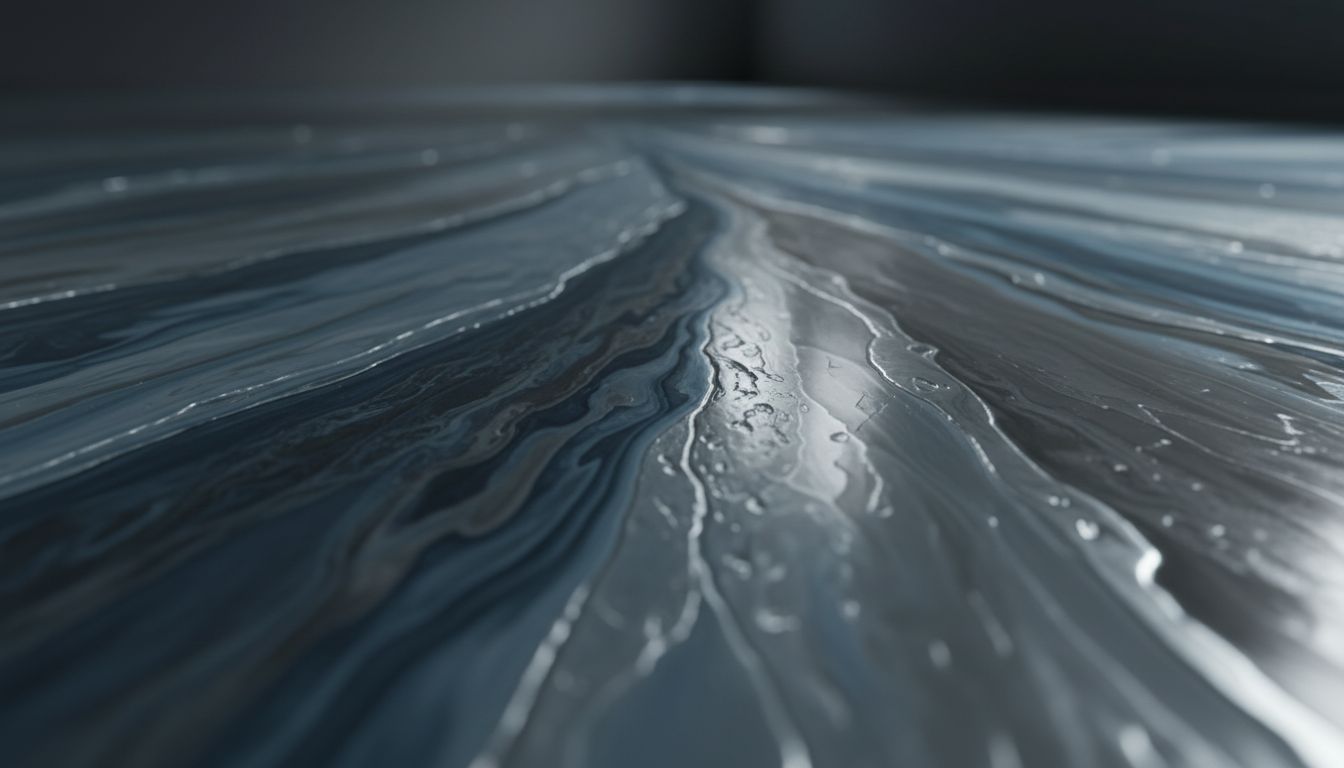
A metallic epoxy flooring can look like liquid metal under light, creating a stunning 3D marble look and marbled effect, and that’s the main reason people choose it. Metallic floor finishes deliver a high-end look with drama, movement, and a one-of-a-kind custom appearance, not pure function alone.
That distinction matters. If you want a floor that looks exactly the same from wall to wall, or one built mainly for hard industrial abuse, a metallic system may not be your best fit. The right choice starts with how the room is used every day.
Key Takeaways
- Metallic floor finishes create a stunning 3D marble look with liquid metal effects, drama, movement, and a one-of-a-kind custom appearance, prioritizing aesthetics over pure uniformity or extreme industrial durability.
- Ideal for rooms where daily use aligns with visual impact, but not for wall-to-wall sameness or heavy abuse—choose based on how the space is used.
- Built on a resin system like concrete epoxy coating, using high-build epoxy or liquid resin mixed with metallic pigments, suitable for high-traffic areas like garages with proper prep.
- Success hinges on surface preparation: primer for adhesion and polyurethane top coat for chemical and abrasion resistance.
Where metallic floors make the most sense
Metallic floors are usually built on a resin system, often a concrete epoxy coating, which serves as an epoxy floor coating. This system involves a high build epoxy or liquid resin mixed with metallic pigments or metallic additives. While these finishes are popular for high-traffic areas like garage floors, success depends heavily on surface preparation and floor preparation. A primer is necessary for adhesion, followed by a top coat of polyurethane resin to ensure chemical resistance and abrasion resistance.
Frequently Asked Questions
What makes metallic floor finishes stand out?
Metallic epoxy floors mimic liquid metal under light, delivering a high-end 3D marble look and marbled effect with drama and movement. They offer a custom, one-of-a-kind appearance that’s more about visual wow than identical uniformity across a space.
Where do metallic floors fit best?
They shine in areas prioritizing aesthetics and custom style, like garages or showrooms, but depend on daily room use. Avoid them if you need a perfectly even wall-to-wall look or floors built solely for hardcore industrial punishment.
What preparation is required for metallic floors?
Proper surface and floor preparation is crucial, especially for high-traffic spots. Apply a primer for strong adhesion, then the metallic epoxy resin system, finished with a polyurethane top coat for chemical and abrasion resistance.
Are metallic finishes suitable for garage floors?
Yes, they’re popular for garages as a high-traffic option with a stunning custom look. However, success relies on meticulous prep and the full system—epoxy base, metallic pigments, and protective top coat—to handle wear effectively.