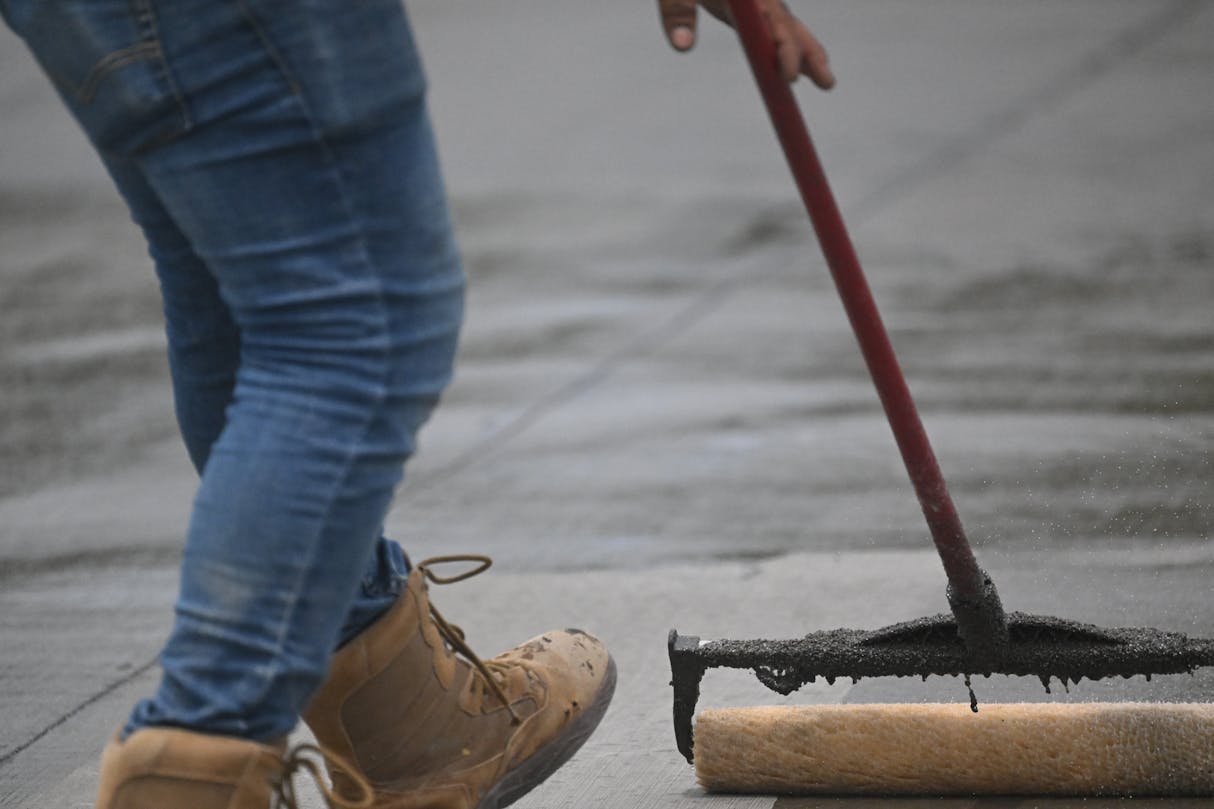
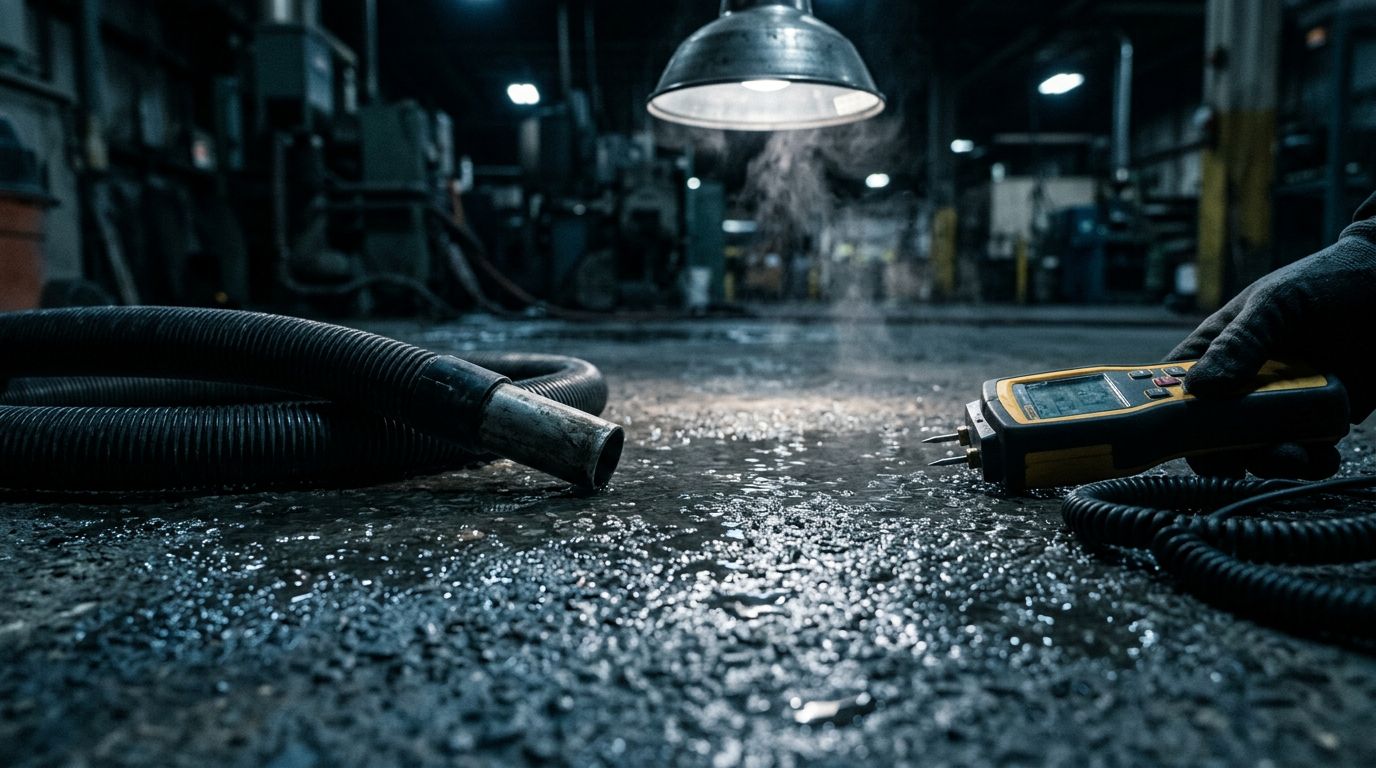
A water soaked concrete floor can be deceptive. The surface might appear dry by the end of the day, while moisture remains trapped deep inside the concrete slab for much longer.
When you are dealing with a water soaked concrete floor, speed is essential, but patience is equally important. If you rush the cleanup or cover the concrete slab too soon, hidden moisture can lead to serious water damage, including unpleasant odors, peeling finishes, mold growth, or structural wall issues. Immediate action is necessary to prevent moisture buildup from compromising the integrity of your floor. Start with a safe cleanup process, then thoroughly dry and test the area before you begin any restoration work.
Key Takeaways
- Surface appearance is deceiving: Concrete is porous, meaning it can hold moisture deep within its structure long after the surface appears dry to the touch.
- Prioritize rapid removal: Immediately stop the water source and use shop vacuums or pumps to remove standing water to prevent moisture from wicking into walls and under floor coverings.
- Ensure thorough drying: Utilize professional-grade air movers and dehumidifiers to facilitate drying, which typically takes anywhere from 48 hours to a full week depending on conditions.
- Test before restoring: Never cover or seal a slab until you have verified it is completely dry through a plastic sheet test or professional moisture meter to prevent mold, odors, and coating failure.
Start with safety and remove the water fast
First, stop the source. Shut off the leaking appliance, address plumbing leaks, close the main water valve, or block more rainwater from entering. If water reached outlets, cords, or powered tools, cut electricity to that area before you step in.
The next goal is simple: get rid of standing water before it sinks deeper into joints, cracks, and wall edges.
If the water came from a drain backup, toilet overflow, or floodwater, treat it as contaminated. Professional remediation crews often use containment chambers to isolate these areas and protect the rest of your home.
For clean water, move in this order:
- Clear the floor so air can reach the slab. Lift boxes, rugs, mats, cardboard, and furniture off the wet area.
- Remove pooled water with a wet shop vacuum, sump pump, or floor squeegee. Push water toward a drain or out the garage if the grade allows it.
- Check your interior and exterior drainage systems to identify if a blocked line or gutter issue caused the overflow.
- Blot edges and corners with old towels after vacuuming. Water lingers where the floor meets the wall.
- Take photos before cleanup if insurance might apply. That helps if baseboards, drywall, or stored items are damaged.
If the floor was covered, check what is sitting on top of the slab. Carpet pad, laminate, engineered wood, and glued vinyl often trap moisture underneath. Because concrete is a porous material, it can hold onto moisture long after the surface feels dry. In many cases, wet flooring must be removed so the concrete can breathe and dry completely.
Do not ignore the walls. Baseboards made from MDF swell fast, and drywall acts like a sponge, allowing water damage to wick upward. If the lower wall feels soft, stained, or cool, remove the baseboard and inspect behind it. Fast action here is critical to prevent mold growth and ensure that a small leak does not turn into a major restoration project.
Dry the slab with airflow, fans, and dehumidifiers
Concrete dries best when moving air carries moisture away and powerful dehumidifiers pull that excess water vapor out of the room. A standard household fan helps, but you will achieve much faster results by using professional grade air movers to sweep air across the surface of the concrete slab.
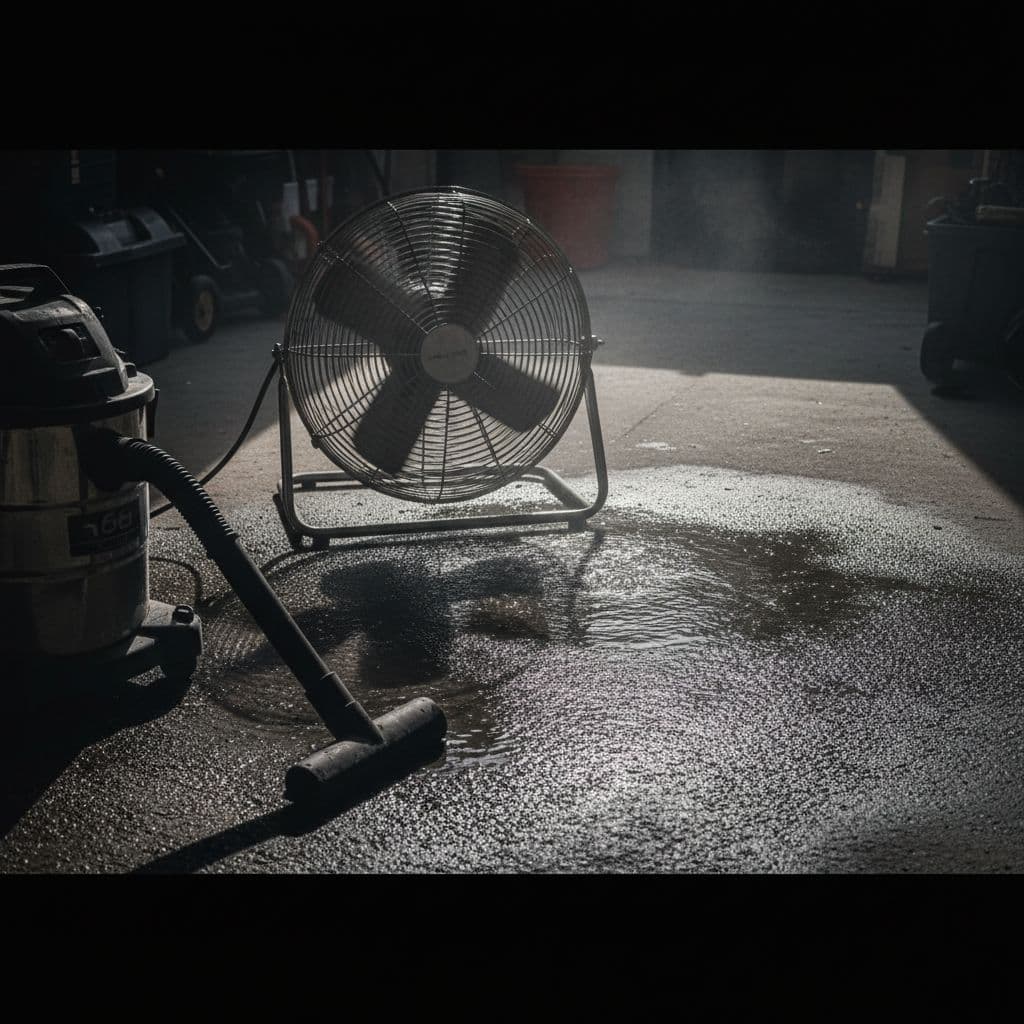
Position your fans so they sweep across the floor rather than pointing straight down at one small spot. Run high capacity dehumidifiers nearby to keep the relative humidity in the space as low as possible. If the air outside is humid, keep exterior doors closed and rely on your HVAC system to assist with moisture removal. In a garage setting, only keep the door cracked if the outdoor air is significantly drier than the indoor air.
Overall drying time depends on several factors. A small clean water spill on bare concrete may dry in 24 to 48 hours, but a heavily soaked slab, especially in a basement, often needs 3 to 7 days. Older concrete, sealed surfaces, and high outdoor humidity can extend the drying time significantly.
You also need to determine whether the slab still holds moisture below the surface. You can tape a square of clear plastic tightly to clean bare concrete and leave it for 24 hours. If condensation forms under the plastic, or the concrete darkens beneath it, the slab is still wet. For a more precise reading of concrete moisture levels, consider using a moisture meter to ensure the material is ready for the next step. This garage floor surface preparation guide shows a simple version of the plastic test and helps you spot contamination before any coating goes down.
A floor that feels dry is not always fully dry. That distinction is critical if you plan to reinstall flooring, repaint trim, or apply any epoxy coating for concrete later.
Know when cleanup becomes repair work
Some wet slabs dry out with basic equipment, but others require more than fans and patience. The difference usually shows up in the persistent smell, visual stains, and the physical condition of the concrete itself.
Use this quick guide to judge the next step:
| Warning sign | What it often means | Best next move |
|---|---|---|
| Musty odor after several days | Moisture trapped under flooring or inside walls | Remove affected materials and dry hidden areas |
| White powder (efflorescence) | Moisture vapor moving through the slab | Test concrete moisture before sealing or coating |
| Crumbling surface (spalling) | Surface damage from long-term water exposure | Have the slab inspected and repaired |
| Sewage smell or muddy residue | Contaminated water | Bring in professional remediation |
The biggest mistake is covering the floor too soon. This includes rugs, floating floors, fresh paint on wet baseboards, or applying a new concrete epoxy coating. When you seal a damp slab, moisture trapped under a finish often leads to hydrostatic pressure, which causes bubbling, peeling, or unsightly surface discoloration. If you are considering an epoxy coating for garage floor use, a polyaspartic coating, or a basement concrete coating, wait until certified testing confirms the slab is dry. This is exactly why managing moisture in basement concrete is a critical priority after leaks or seepage.
A reputable garage floor epoxy coating company will always test the slab before installation. Professionals typically use ASTM F2170 probes to get accurate readings on concrete moisture. The same rule applies to commercial concrete epoxy coating in shops, warehouses, and service bays. Dry time is not guesswork when your investment and the long-term bond strength of a vapor barrier are on the line.
Once the slab is stable, you can consider the finish that fits your space. Some homeowners prefer concrete polishing for a clean, low-dust surface. Others choose concrete staining for color without a film on top. If you want an epoxy coating for concrete, proper prep and the use of a high-quality vapor retarder or concrete sealer are non-negotiable.
Watch for structural clues as well. Wide, cracked concrete, slab edges that indicate foundation settlement, or hollow-sounding spots can point to movement below the surface. In these cases, simple cleanup is only part of the job. You may even require concrete leveling if the slab has shifted significantly. If a contractor tries to hide these issues behind vague talk, ask for actual moisture readings, specific repair steps, and a written drying plan to protect your structural integrity.
Frequently Asked Questions
How can I tell if my concrete floor is truly dry?
Even if the surface feels dry, moisture can remain trapped underneath. You should perform a plastic sheet test by taping clear plastic to the floor for 24 hours to check for condensation, or hire a professional to use a moisture meter for an accurate reading.
Can I leave my rug or carpet on the concrete while it dries?
No, you must remove any rugs, padding, or flooring materials sitting on top of the wet concrete. These items trap moisture against the slab, preventing evaporation and significantly increasing the risk of mold growth and structural damage.
When is it safe to apply a new epoxy coating to my floor?
Do not apply any coating until the slab has been tested and confirmed dry by a professional. Sealing a damp slab creates hydrostatic pressure that will cause your new finish to bubble, peel, and discolor shortly after application.
Does a wet concrete floor always require professional help?
If the water involved was contaminated, such as floodwater or sewage, you should call professional remediation services immediately. For clean water spills, you can manage the cleanup yourself provided you have the right drying equipment and patience to ensure the slab is fully restored.
Final Thoughts
The surface is not the whole story after a water-soaked concrete floor. What matters most is whether the concrete slab is dry enough inside, not whether it looks dry on top. Keep in mind that the original water-cement ratio of your slab can influence how deeply moisture penetrated and how long the drying process will take.
Remove the water, move air across the surface, run dehumidifiers, and check nearby flooring and baseboards before you put anything back. It is critical to address potential water damage thoroughly because any moisture trapped deep within the concrete slab can expand during freeze-thaw cycles in unheated areas, leading to internal cracks or structural compromise. If the water was dirty, the smell lingers, or the concrete starts to crumble, professional help is the safer move.
Patience saves more floors than speed ever will.