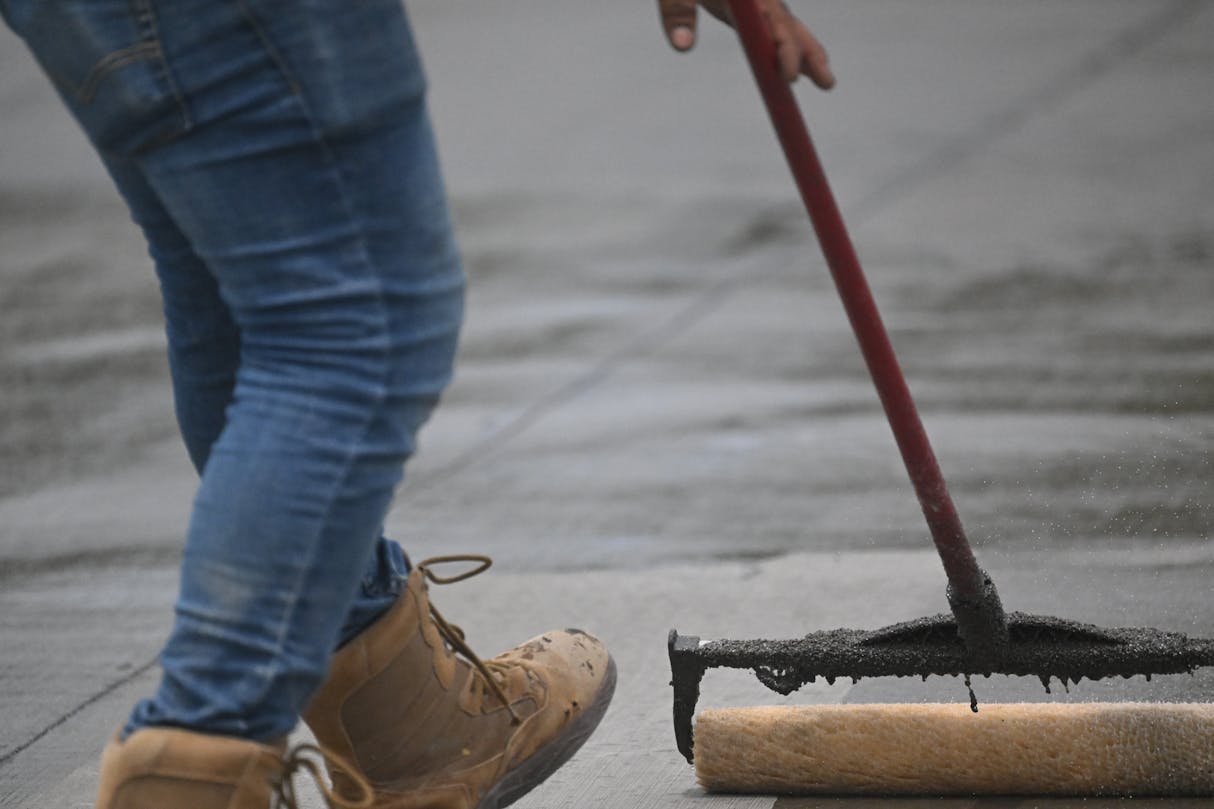
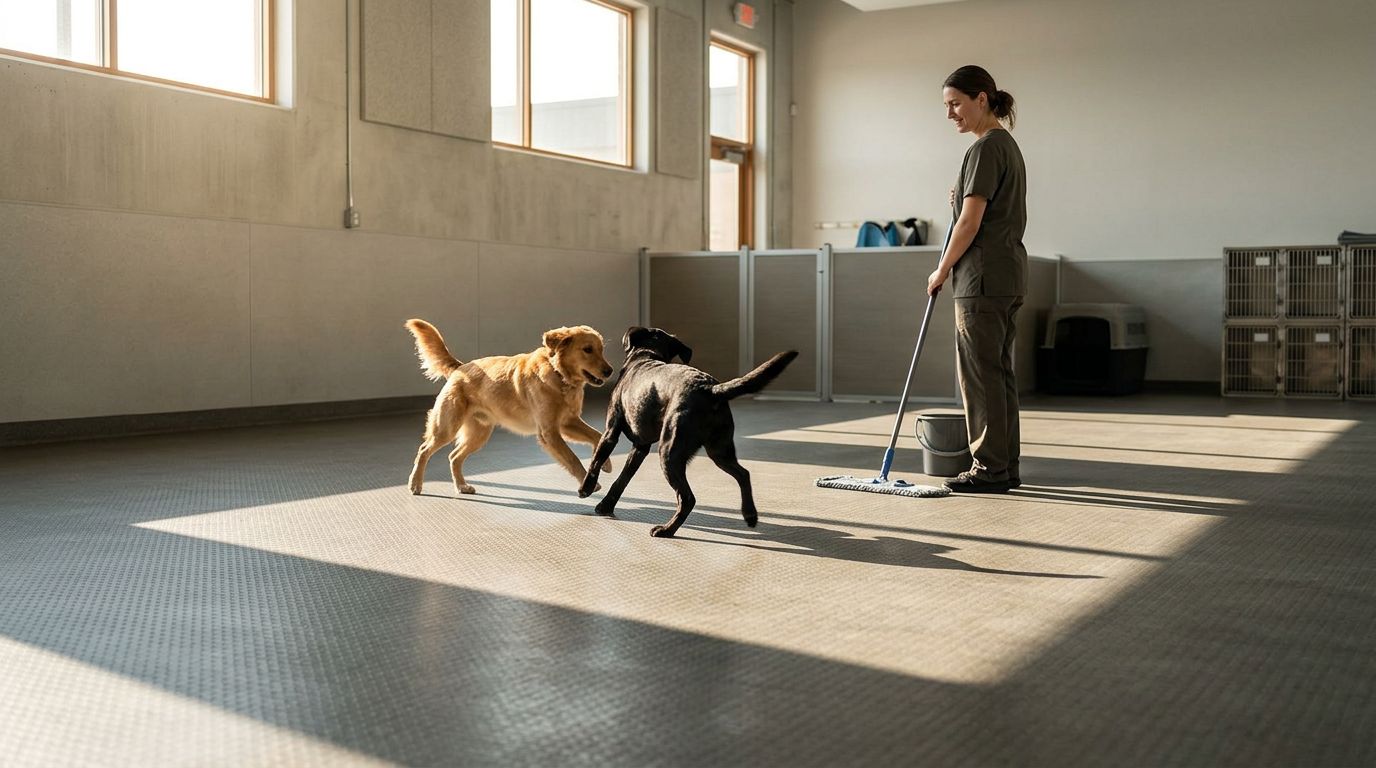
Choosing the right dog daycare flooring is critical because these surfaces take a beating from every angle. Wet paws, sharp dog nails, bleach-based cleaners, and nonstop traffic all test the durability of your concrete slab.
The right finish keeps the space safer, easier to clean, and cheaper to maintain over the long term. The wrong choice turns every spill into a slip risk and every deep clean into an exhausting chore.
For most facilities, the best solution depends on how the slab behaves, how fast the room needs to reopen, and how much traction dogs and staff require. These practical details matter far more than the final shine of the floor.
Key Takeaways
- Prioritize Function Over Aesthetics: In a dog daycare, slip resistance, chemical durability, and seamless cleanability are significantly more important than the shine or color of the floor.
- Surface Texture is Critical: To prevent accidents for both dogs and staff, always choose flooring systems that include anti-slip additives, such as broadcast flakes or silica, especially in wet play areas.
- Prep Determines Performance: The long-term success of any coating depends on the condition of the concrete slab; moisture testing, crack repair, and mechanical surface preparation are essential to prevent premature peeling or bubbling.
- Match the System to the Zone: High-traffic playrooms and wash-down areas benefit most from textured epoxy or polyaspartic coatings, while polished concrete or staining is often better suited for dry administrative zones or quiet areas.
What dog daycare floors need to handle
A dog daycare floor has to do more than look clean. Because modern animal care facilities require a strictly sanitary environment, the surface must be easy to clean to manage constant use. It needs to stand up to water bowls, accidents, kennel washdowns, and repeated sanitizing without getting slick or stained.
That means the surface should resist moisture, reduce dust, and remain simple to maintain. To protect the slab and prevent liquid penetration, you need a slip-resistant and seamless flooring system. This texture is vital because a glossy floor can be difficult for dogs to navigate and hazardous for staff.
A garage floor epoxy coating company may talk about durability in simple terms, but a daycare has different demands. The floor needs better traction, high chemical resistance, and a finish that can handle daily wash cycles. For many operators, the best results for dog daycare flooring come from a system built for commercial use, rather than a quick cosmetic fix. A commercial concrete epoxy coating can do that job when the prep is right and the topcoat is chosen for traction.
How the main concrete floor finishes compare
Choosing the right surface involves understanding how different options perform in a high-activity environment. The table below provides a quick side-by-side look at the most practical choices for durable epoxy flooring and other common treatments.
| Finish | Traction | Moisture resistance | Cleaning ease | Best use |
|---|---|---|---|---|
| Concrete epoxy coating | Good with texture | Good once sealed | Easy | Busy indoor play areas |
| Polyaspartic coating | Very good with grit or flakes | Very good | Easy | Quick-turn projects |
| Concrete polishing | Moderate, can be improved | Fair in dry areas | Very easy | Reception, halls, dry zones |
| Concrete staining | Depends on the sealer | Fair to good | Easy | Light-use, lower-wet areas |
| Commercial concrete epoxy coating | Very good with broadcast texture | Very good | Easy | Non-porous high-traffic daycare floors |
The pattern is clear. Texture, prep, and moisture control matter more than appearance alone. A shiny floor that becomes slick after mopping is a liability, not an upgrade. By creating a non-porous surface, you prevent liquids and bacteria from seeping into the slab, which is essential for maintaining a sanitary environment for dogs.
A floor that looks great on day one but traps moisture will cost more in repairs than a plainer floor that drains and cleans well.
If you want to compare coatings, polishing, and staining in one place, start with our full range of concrete floor finishes. When you invest in these professional solutions, you are prioritizing the long-term durability of your facility compared to the constant upkeep required by temporary fixes.
The finishes that work best in real daycares
Concrete epoxy coating
A concrete epoxy coating is one of the most common choices for indoor pet care spaces. It creates a sealed surface that resists urine, wash water, and many cleaning chemicals. Because this epoxy flooring is highly scratch resistant, it holds up well against the constant activity of paws, making it a reliable standard for animal shelters and busy boarding facilities.
The biggest advantage is cleanability. Once the system cures, staff can mop and disinfect without fighting concrete dust or open pores. A basic epoxy coating for garage floor can look similar, but a daycare usually needs a heavier-duty spec with anti-slip texture and stronger edge detailing.
Epoxy does have limits. It needs proper moisture testing, mechanical prep, and a well-bonded slab. If the concrete is damaged or poorly patched, the finish will not hide that.
It also needs the right top layer. Smooth epoxy can get slick, so broadcast flakes, silica, or other anti-slip additives are common in play zones and kennel corridors.
Polyaspartic coating
A polyaspartic coating is a strong option when downtime matters. It cures faster than many traditional systems, so a facility can get back to work sooner. While some owners consider rubber flooring or artificial turf for play areas, polyaspartic coatings provide a superior, sealed surface that is easier to sanitize during deep cleanings.
It also handles UV exposure better than standard epoxy, which matters near windows or entry areas. That helps keep the floor from yellowing or losing its look as fast.
The tradeoff is cost and install skill. Polyaspartic systems often cost more, and the surface still needs texture to stay safe for dogs and staff.
For many owners, it is a smart fit for high-use rooms that cannot stay offline long. It works especially well when the slab is sound and the prep team knows how to manage moisture and cure times.
Concrete polishing
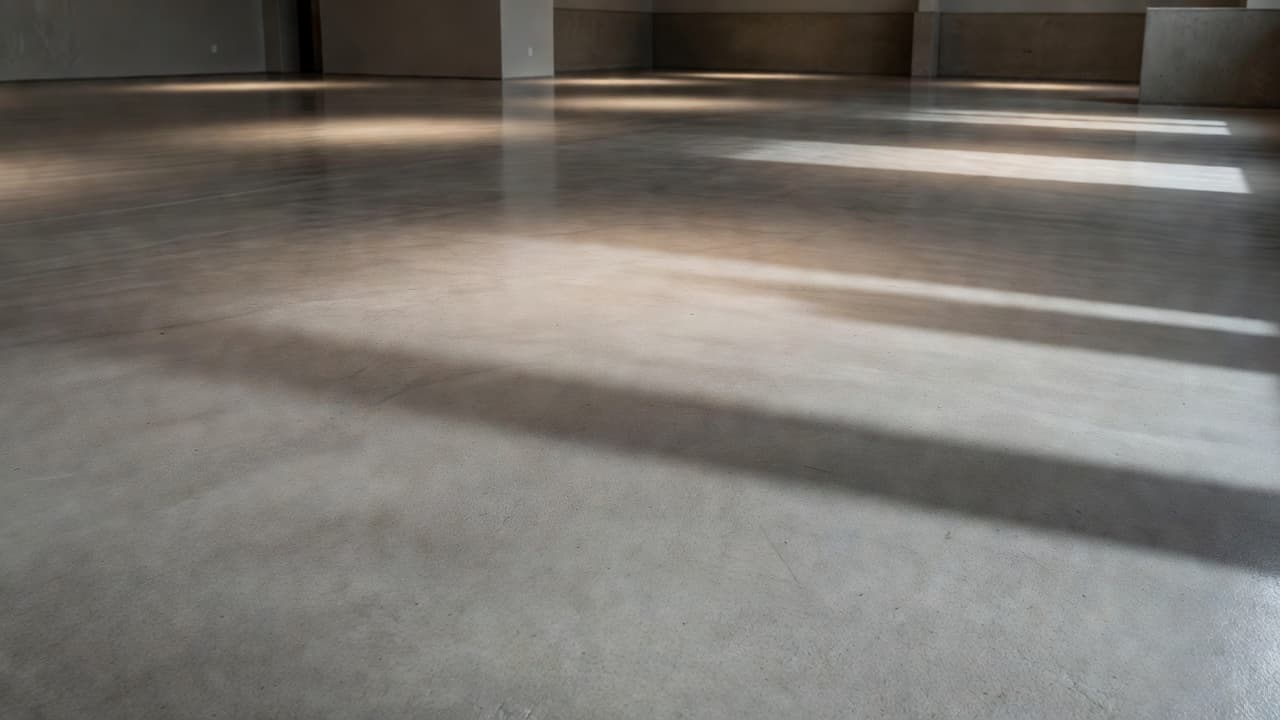
Concrete polishing is best for dry, well-drained spaces where low maintenance matters more than full chemical resistance. It gives the slab a hard, dust-resistant finish that cleans fast and looks crisp.
This option can be a good fit for lobbies, hallways, and waiting areas. It also avoids peel issues because there is no film layer to flake off.
Still, polished concrete is not the top choice for wet playrooms or wash-down zones. Standing urine, harsh disinfectants, and frequent moisture exposure can create more upkeep over time.
Traction can improve with a matte finish, densifier choice, or added grit in select areas. That makes it more flexible than many people expect, but it still works best where water is controlled.
Concrete staining
Concrete staining gives color without hiding the floor under a thick coating. The stain becomes part of the surface, so it will not peel like paint.
That makes it attractive for owners who want a natural look with less visual wear. It can also pair with sealers that improve stain resistance and cleaning.
The downside is protection. Stain adds appearance, but the sealer does the heavy lifting. In a daycare, that means the topcoat has to handle scratches, moisture, and disinfectants.
Use it where traffic is lighter or where appearance matters alongside function. It is a better fit for reception areas or calmer zones than for splash-heavy play spaces.
Why the slab itself decides a lot of the outcome
Even the best finish will fail on a bad substrate. That is why the condition of the concrete matters before anyone talks about color or gloss.
Moisture is the first issue to check. If the slab has vapor pressure, cracks, or drainage problems, coatings can blister or lift. That is common in below-grade spaces, which is why a basement concrete coating approach often starts with testing, patching, and moisture control before the finish goes down. Because concrete is naturally a porous surface, applying a high-quality sealer is essential to prevent urine and cleaning liquids from soaking in and creating lingering odors.
Drainage matters too. If water pools in corners or low spots, a smooth floor becomes a cleanup problem. In those areas, a textured finish or a more aggressive surface profile can help. Integrating a cove base along the wall transitions further assists in hygiene, ensuring that liquid waste does not collect in the corners where the floor meets the wall.
Cleaning chemicals also change the equation. Some disinfectants are fine on epoxy. Others can dull weak sealers or break down cheaper products over time.
Finally, traffic changes wear patterns. Entry lanes, kennel rows, and playrooms all take different abuse. A floor that works in a quiet lobby may fail in a wash area.
Poor concrete dealing during prep can make that worse. If cracks, spalls, and joints are not repaired the right way, the finish above them will not last. Addressing the condition of the subfloor and providing proper joint protection by filling cracks ensures the long term integrity of your investment against heavy daily use.
Matching the finish to the facility
The best choice depends on how your space runs day to day. A few clear patterns help narrow it down.
- Busy playrooms and kennel corridors do well with a textured epoxy or commercial epoxy system. These areas need grip and strong moisture resistance.
- For high-impact zones where dogs jump or run, rolled rubber provides excellent cushion and joint protection. This same recycled rubber is also a popular choice for dedicated anti-fatigue zones for staff.
- Fast reopen projects often fit a polyaspartic system. The short cure time helps when the business cannot close long.
- Dry lobbies and hallways can use polished concrete. It keeps dust down and is easy to maintain.
- Outdoor kennels are best served by synthetic grass or artificial turf, as these options offer superior drainage for exterior play areas.
- Lower-traffic, design-focused areas can use concrete staining with a durable sealer.
- Below-grade or moisture-prone slabs need testing first, then a coating plan that can handle vapor and cleaning demands.
If you are comparing options for a new build or a retrofit, the slab should drive the decision first. The finish should fit the substrate, not the other way around.
For daycares that need one surface across most of the building, a textured commercial concrete epoxy coating is often the safest all-around pick. While interlocking tiles are a common alternative for various dog daycare flooring projects, epoxy flooring remains the industry standard for an easy to clean result that offers solid durability and enough traction for daily pet traffic.
Frequently Asked Questions
Can I use residential epoxy on my daycare floor?
While residential-grade epoxy may look similar, it is typically not formulated to handle the aggressive cleaning chemicals, constant moisture, and heavy daily foot traffic of a commercial daycare. You should opt for a high-performance commercial concrete epoxy system that includes specific industrial-strength additives and a robust topcoat for durability.
How do I keep the floor from becoming slippery when wet?
Slip resistance is achieved by incorporating aggregate materials like sand, quartz, or vinyl flakes into the coating layers. These additives create a textured surface that provides the necessary grip for dog paws, even when the floor is wet from cleaning or accidents.
Is polished concrete a good option for wet play areas?
Polished concrete is generally not recommended for high-moisture zones because it lacks the chemical resistance and seamless barrier of a coated system. Standing urine and harsh disinfectants can penetrate the concrete over time, leading to lingering odors and surface degradation.
What is the fastest flooring option to install?
Polyaspartic coatings are the best choice for facilities with tight schedules because they cure significantly faster than traditional epoxy. This allows you to resume normal daycare operations much sooner, minimizing business downtime during renovations.
Final recommendation for dog daycare owners
If your facility sees heavy washdowns and constant foot traffic, start with textured epoxy or polyaspartic coatings. Those systems provide the best mix of hygiene, slip resistance, and long-term durability.
If your space is drier and easier to control, polished concrete can save money over time and keep maintenance simple. For lighter-use zones, concrete staining adds color without compromising the natural slab.
Ultimately, the best dog daycare flooring depends on moisture levels, drainage, cleaning products, and overall traffic. Investing in a system that is easy to clean will significantly reduce your daily labor costs and keep your staff focused on the animals rather than maintenance.
When you select the right materials, the floor will support your business operations instead of slowing them down. A high-quality floor should simply disappear into your daily routine. It should stay clean, remain safe for paws, and keep performing reliably even when the dogs are at their most active.