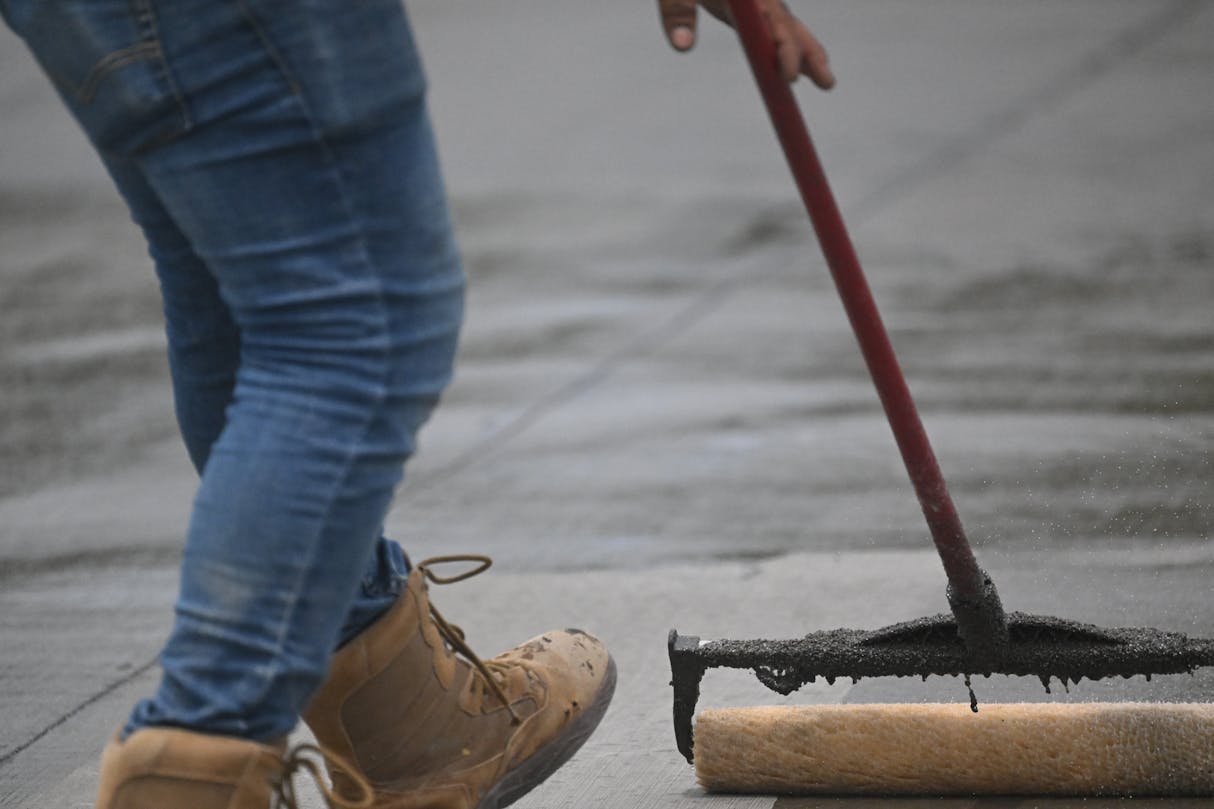
A concrete surface coating is a protective layer applied on top of concrete to change how it looks and how it holds up. Think of it like a rain jacket for your slab, it can add color and gloss, block stains, reduce dust, and make cleanup easier.
People use concrete surface coatings for a few practical reasons: to brighten dull gray floors, to control concrete dust, to improve chemical and stain resistance, and to add slip resistance where wet shoes or spills are common. You’ll see coated concrete in garages, basements, patios, retail spaces, and warehouses.
There isn’t one “best” coating for every job. Moisture, traffic, sunlight, and budget all change the answer. Below, you’ll find the common coating types, what each one does well, where it struggles, and how to choose without paying for features you don’t need.
The main types of concrete surface coatings and what each one does best
Concrete coatings range from thin sealers to thick, buildable systems. Some cure slowly but give you more working time. Others cure fast and get you back on the floor quickly. Some stay clear in sunlight, others can yellow. The goal is to match the product to the space, not just pick the one with the shiniest photos.
Epoxy coatings: tough, glossy, and popular for garages
Epoxy is a resin-based coating known for a smooth, high-build finish and strong resistance to many oils, greases, and household chemicals. In simple terms, 100 percent solids epoxy goes on thicker and cures into a dense layer, while water-based epoxy is thinner, has less odor, and is often used where a lighter-duty coating is acceptable.
Epoxy shines when you want a clean, finished look. It supports solid colors, decorative flake blends, and metallic effects. Day to day, it feels hard underfoot and easy to mop, which is why it’s common in garages, workshops, and some showrooms.
Where epoxy struggles is sunlight and patience. UV exposure can yellow the surface over time, and cure times are usually longer than faster systems. A smooth epoxy floor can also feel slick when wet unless grit or texture is added.
Good fit for homeowners: garages and hobby spaces where you want a polished look and strong stain resistance.
Good fit for light commercial: showrooms, back-of-house areas, and small warehouses with moderate traffic.
Polyaspartic and polyurea: fast curing options with strong UV protection
Polyurea and polyaspartic coatings are often chosen for speed. Many systems cure quickly enough that a garage can return to service fast, sometimes within a day, depending on the product and conditions. Polyaspartic also tends to hold color well in sunlight, which helps when a garage gets bright afternoon sun or when the coating extends outdoors.
The tradeoff is working time. These products can set up fast, so mixing, spreading, and back-rolling need a steady hand. That’s why experience matters more here than almost any other coating type. If the installer misses timing, you can get roller marks, uneven texture, or bonding issues.
A common approach is a polyurea base coat for strong bond and flexibility, paired with a polyaspartic topcoat for UV stability and easier cleaning. Living with these floors is simple: they resist tire marks well, stay bright, and handle daily wear without much fuss.
Good fit for homeowners: garages where you want quick turnaround and better UV stability.
Good fit for light commercial: busy service areas, walkways, and spaces that can’t shut down for long.
Acrylic sealers and stains: budget friendly color and basic protection
Acrylic sealers are usually film-forming products that sit on the surface. They’re popular because they’re affordable, widely available, and easy to recoat. Some acrylics are solvent-based (often stronger odor), others are water-based (often lower odor). You may also hear about penetrating acrylics, but most “acrylic sealer” discussions are about topical films that add mild sheen and light protection.
These sealers work well for patios, decorative interior slabs, and spaces with light foot traffic. They can also be used over stains to lock in color. The day to day reality is that acrylics tend to wear sooner than thicker systems, so you should expect more frequent reapplication in high-traffic paths.
Stains are a different tool. Acid stains react with the concrete and create variegated, mottled color that feels natural, like stone. Water-based stains act more like a colorant, offering a wider color range and more predictable results. Either way, the stain usually needs a sealer on top for protection.
Good fit for homeowners: patios and interior decorative concrete that won’t see heavy abuse.
Good fit for light commercial: boutique retail or lobby areas with light traffic and a design-first goal.
Penetrating sealers: natural look protection without a “coated” feel
Penetrating sealers soak into the concrete instead of building a visible layer on top. Common types include silane, siloxane, and siliconate. You don’t need to memorize the chemistry, the practical point is that they help concrete repel water and reduce damage from salt and weather.
Because they don’t form a thick film, they keep the concrete looking natural. That’s great when you like the plain concrete appearance or when slip risk is a concern. It also means they won’t hide patch marks, cracks, or discoloration, and they won’t give you that glossy, “finished floor” look.
In everyday use, a penetrating sealer is low drama. There’s no layer to peel, and maintenance is mostly normal cleaning. They’re a strong choice for exterior concrete that sees rain, sprinklers, or de-icing salts.
Good fit for homeowners: driveways, sidewalks, and patios where you want a natural finish.
Good fit for light commercial: storefront sidewalks and outdoor slabs exposed to weather.
Urethane topcoats and cementitious overlays: when you need extra wear or a new surface
Urethane is often used as a topcoat over epoxy because it can improve scratch resistance and help the floor stay clearer in light. It’s not magic, but it can make an epoxy system feel less “plastic” over time because it holds up better to scuffs and routine abrasion.
If your slab has cosmetic issues, a coating alone might not be enough. That’s where cementitious overlays (including microtoppings) come in. These are thin layers of cement-based material used to smooth, re-texture, or refresh a worn surface. Overlays can add grip, hide minor flaws, and create a more uniform look, but they still need a sealer or coating to resist stains and wear.
Good fit for homeowners: worn patios or basements that need a visual reset plus protection.
Good fit for light commercial: retail floors needing a new look without full slab replacement.
How to choose the right coating for your space without wasting money
Choosing a concrete floor coating is less about brand names and more about conditions. The same product that looks perfect in a neighbor’s garage can fail in a damp basement or fade on a sunny patio. Also, the best coating can’t rescue poor prep. Surface grinding, crack repair, cleaning, and the right primer often matter as much as the top layer you see.
Before you call for quotes, it helps to define what “success” means for your floor. Is it easy cleaning? A bright decorative look? Better traction? Fast return to service? When you’re clear on the goal, it’s easier to spot an overbuilt system (too expensive for the need) or an underbuilt one (cheap now, costly later).
A quick checklist to gather up front:
- Location and exposure: garage, basement, patio, warehouse, indoor or outdoor.
- Moisture history: damp spots, past water intrusion, humid seasons, or efflorescence.
- Traffic level: foot traffic, parking, carts, forklifts, heavy equipment.
- Sunlight: hours of direct sun on the slab, especially near doors.
- Spills and chemicals: hot tire pickup, oil, fertilizers, cleaners, or solvents.
- Look and feel: glossy or matte, flakes or solid color, smooth or textured.
Match the coating to your conditions: moisture, sun, traffic, and chemicals
Moisture is the silent troublemaker. Basements and slabs-on-grade can push vapor upward. If that vapor pressure is high, some coatings can blister or peel. That’s why moisture testing and the right primer or moisture-mitigation system should be part of any serious proposal.
Sunlight changes the short list fast. Patios and sun-washed garage aprons need UV-stable products. That often points to polyaspartic topcoats or penetrating sealers, depending on whether you want a “coated” look or a natural finish.
Traffic and tires matter, too. Hot tire pickup is hard on weaker films, and heavy turning can scuff softer coatings. For busy garages or commercial bays, thicker systems and tougher topcoats usually pay off.
A few simple pairings help:
- High sun plus fast turnaround often points to polyaspartic or a polyurea-polyaspartic system.
- Natural outdoor concrete with weather exposure often points to a penetrating sealer.
- Decorative interior slabs with light traffic can work well with stain plus acrylic sealer.
- Chemical risk and frequent cleaning often point to epoxy with a urethane or polyaspartic topcoat.
Conclusion
Concrete coatings aren’t one product, they’re a family. Epoxy brings build and chemical resistance, polyurea and polyaspartic bring speed and UV stability, acrylics and stains bring affordable color, penetrating sealers protect without changing the look, and urethane topcoats and overlays solve wear or surface flaws.
The smartest move is to write down where the floor is, how it’s used, and what look you want, then compare systems based on prep steps, layer details, and cure time. When you match the coating to the conditions, durability stops being a gamble and starts being predictable. Schedule an on-site evaluation and ask for coating options that fit your garage, basement, or commercial floor.